Artemis II Crew Returns From First Moon Trip in 52 Years
Four astronauts just completed humanity's first journey around the moon since 1972, capturing stunning images of Earth, a rare deep-space eclipse, and the lunar surface. Their safe return marks a giant leap toward putting the first woman on the moon.
After a decade-long journey of preparation, four astronauts have safely returned from circling the moon for the first time in over half a century.
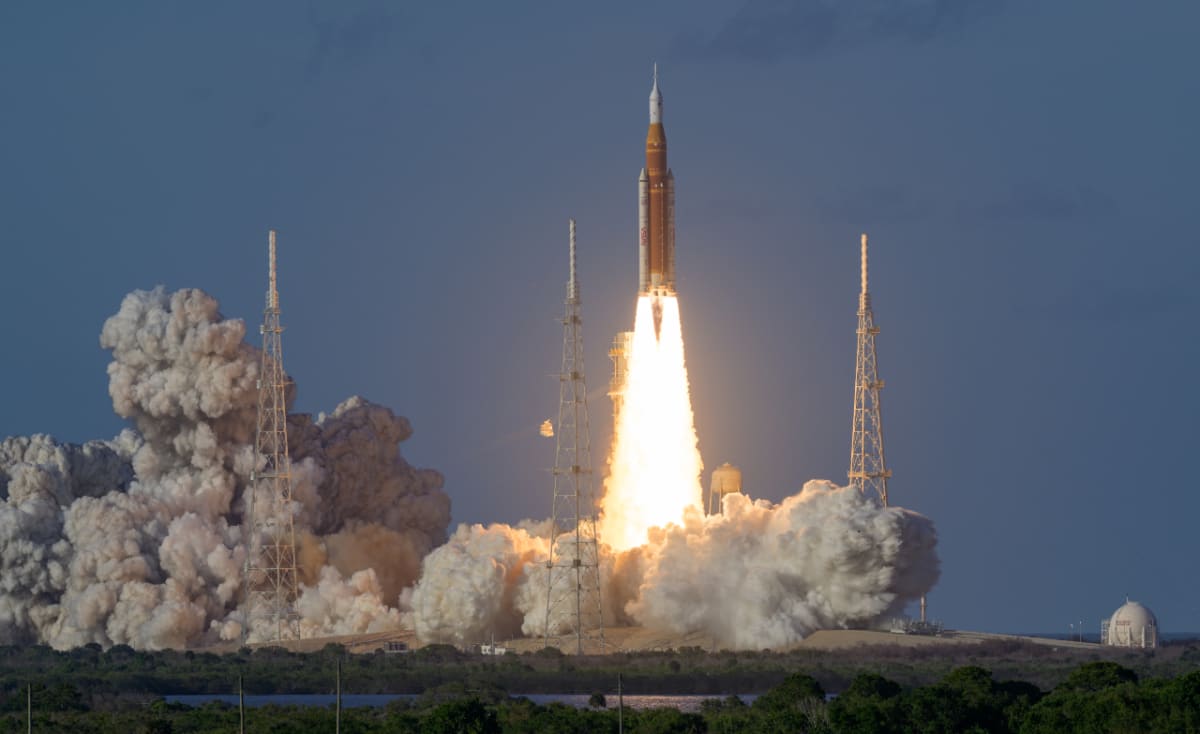
NASA's Artemis II mission launched from Kennedy Space Center on April 1, 2026, sending Commander Reid Wiseman, pilot Victor Glover, and mission specialists Christina Koch and Jeremy Hansen on a 10-day voyage covering 695,000 miles. Their Orion capsule, nicknamed Integrity, splashed down safely on April 10.
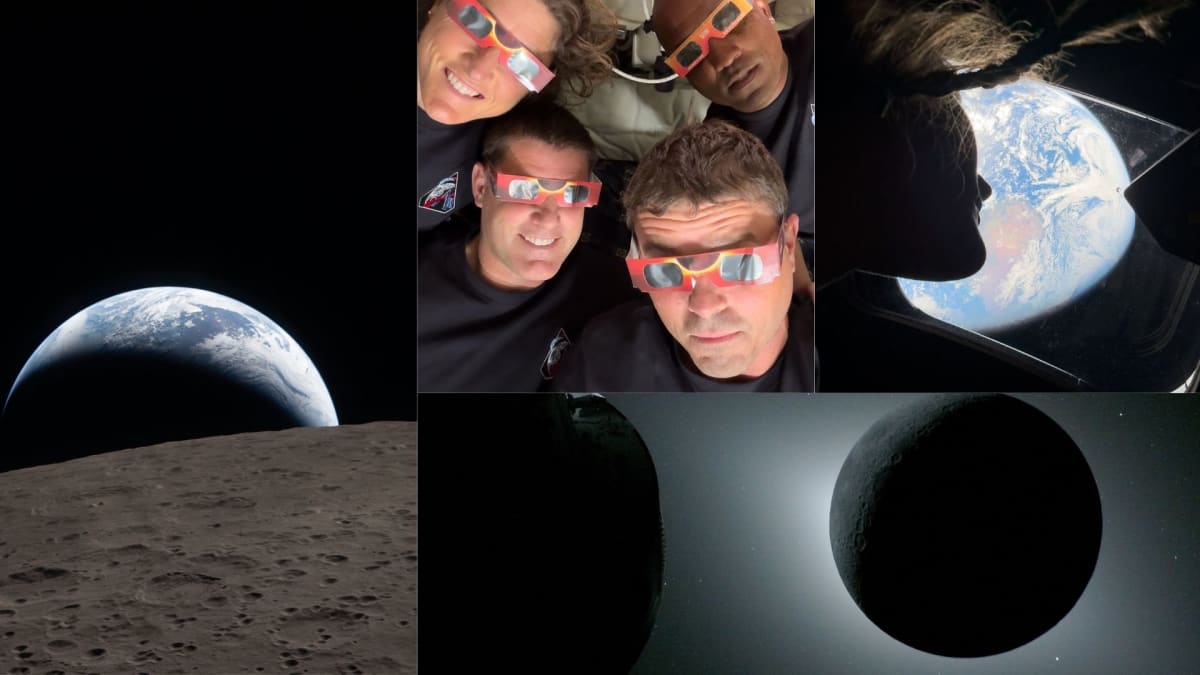
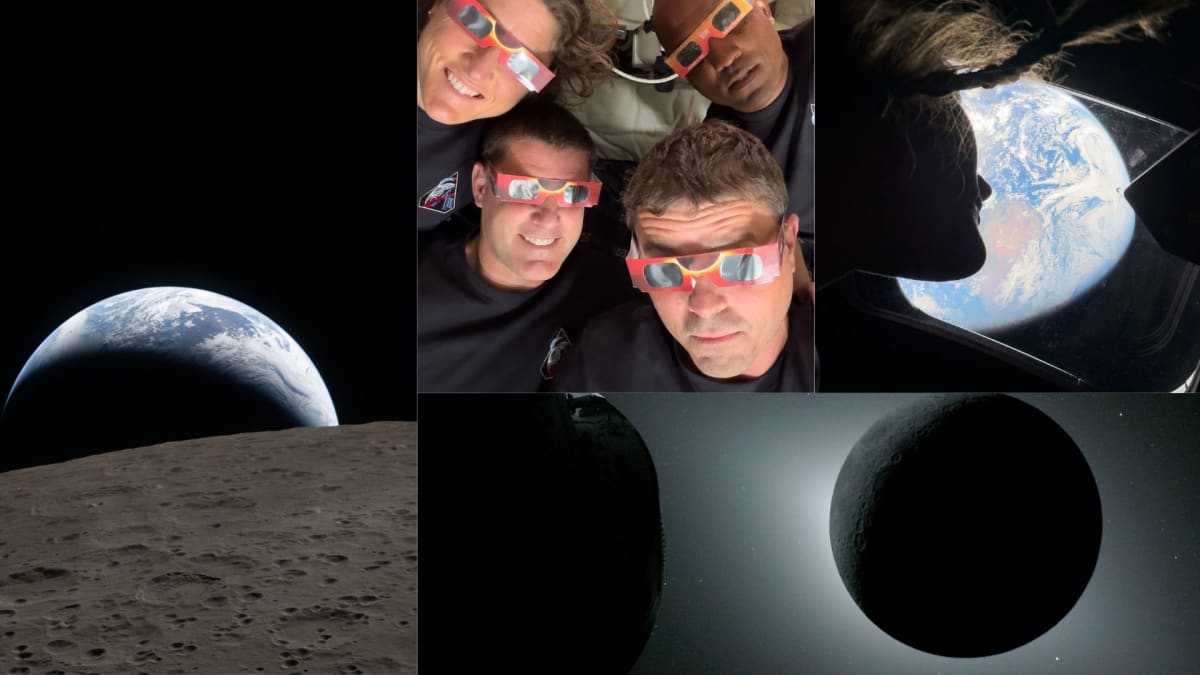
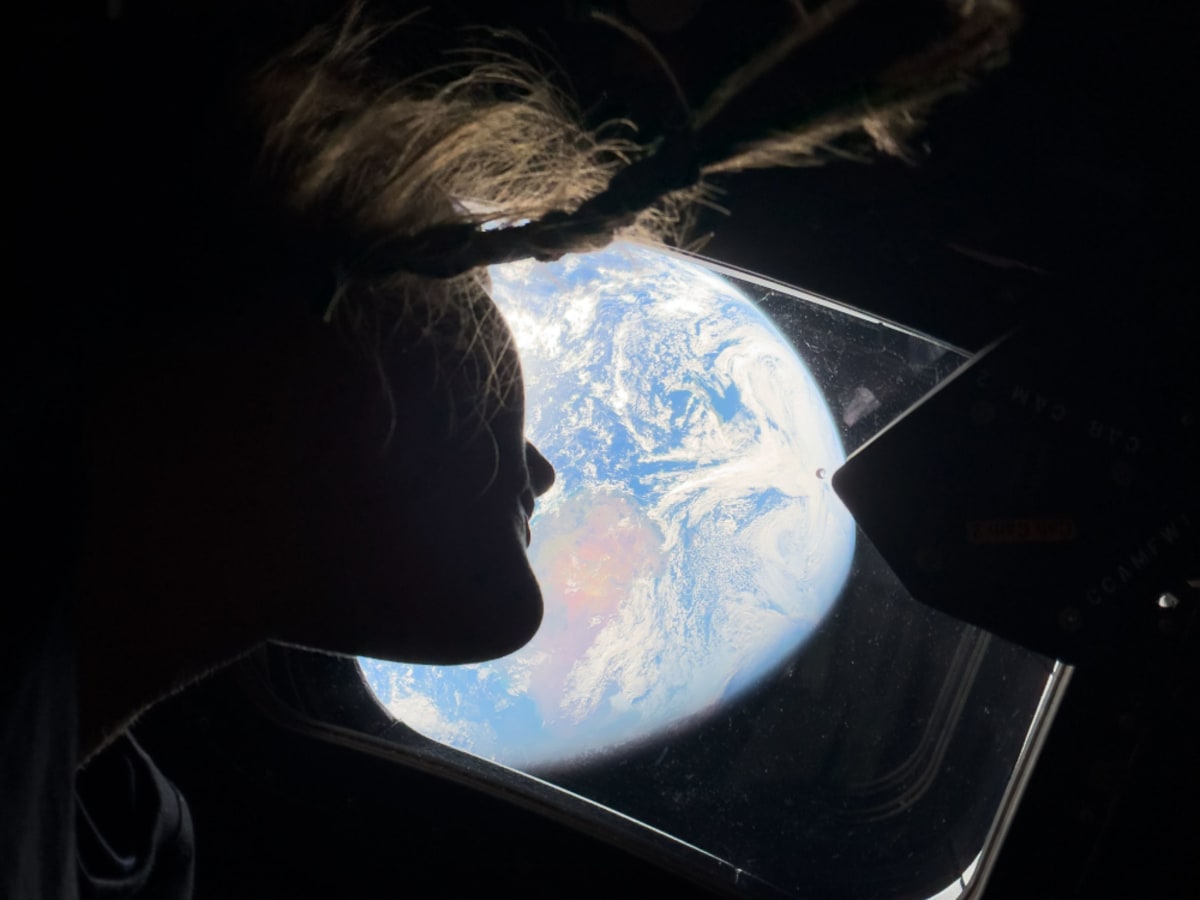
Koch made history as the first woman to leave Earth's orbit and travel to the moon. The crew captured her gazing back at our planet through Orion's window, watching Earth shrink from a vast blue marble into what appeared as a delicate living sphere suspended in darkness.
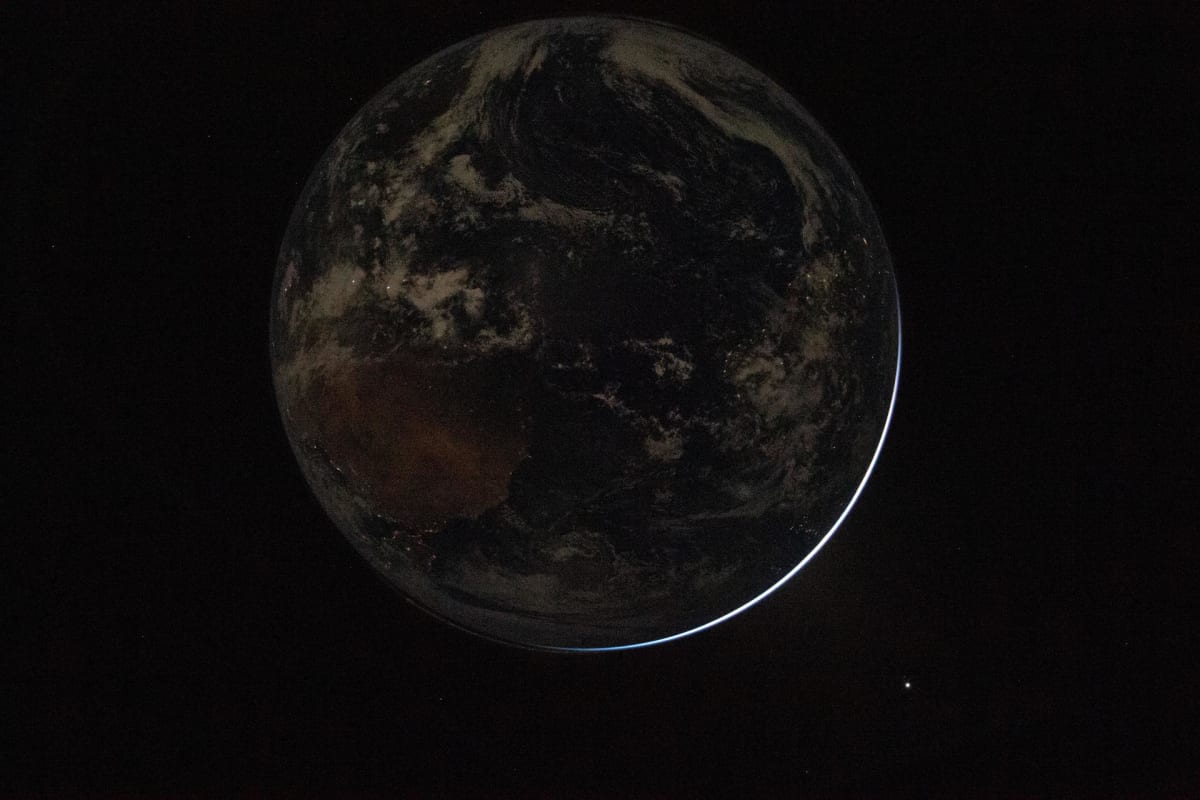
The astronauts witnessed views no human has seen in 52 years. They photographed the 600-mile-wide Orientale basin, an ancient impact crater on the lunar surface filled with hardened lava. They watched Earth transform into a glowing crescent with the sun behind it, revealing auroras dancing at both poles simultaneously for the first time ever captured in a single image.
Perhaps most remarkably, the crew became the first humans to witness a total solar eclipse from the far side of the moon. While Apollo astronauts saw eclipses en route to the moon, the Artemis II team had a front-row seat to the moon blocking the sun from a completely new vantage point in deep space.
Glover described peering at the moon's terminator line, where sunlight skims the surface at such a low angle that crater shadows become impossibly deep. "You'd fall straight to the center of the moon if you stepped in some of those," he observed through Orion's window.
Why This Inspires
This mission represents more than stunning photography. It proves that the technology, training, and teamwork needed for deep space exploration are ready for the next chapter. Every system worked. Every astronaut returned safely. The path to landing the first woman and first person of color on the moon is now clear.
NASA used its most powerful rocket ever built, the Space Launch System, on only its second flight to make this journey possible. The decade of preparation, testing, and innovation paid off with a flawless mission that rekindled the spirit of exploration that defined the Apollo era.
Humanity just proved we can return to the moon whenever we choose.
More Images
Based on reporting by Live Science
This story was written by BrightWire based on verified news reports.
Spread the positivity!
Share this good news with someone who needs it