NASA Unveils Plan for Permanent Moon Base by 2032
NASA has announced ambitious plans to build a permanent base at the Moon's south pole, complete with nuclear power, robotic explorers, and housing for astronauts. Companies including Jeff Bezos's Blue Origin will help make humanity's return to the Moon a reality.
The Moon is about to get its first permanent residents, and NASA just revealed how it plans to make that happen.
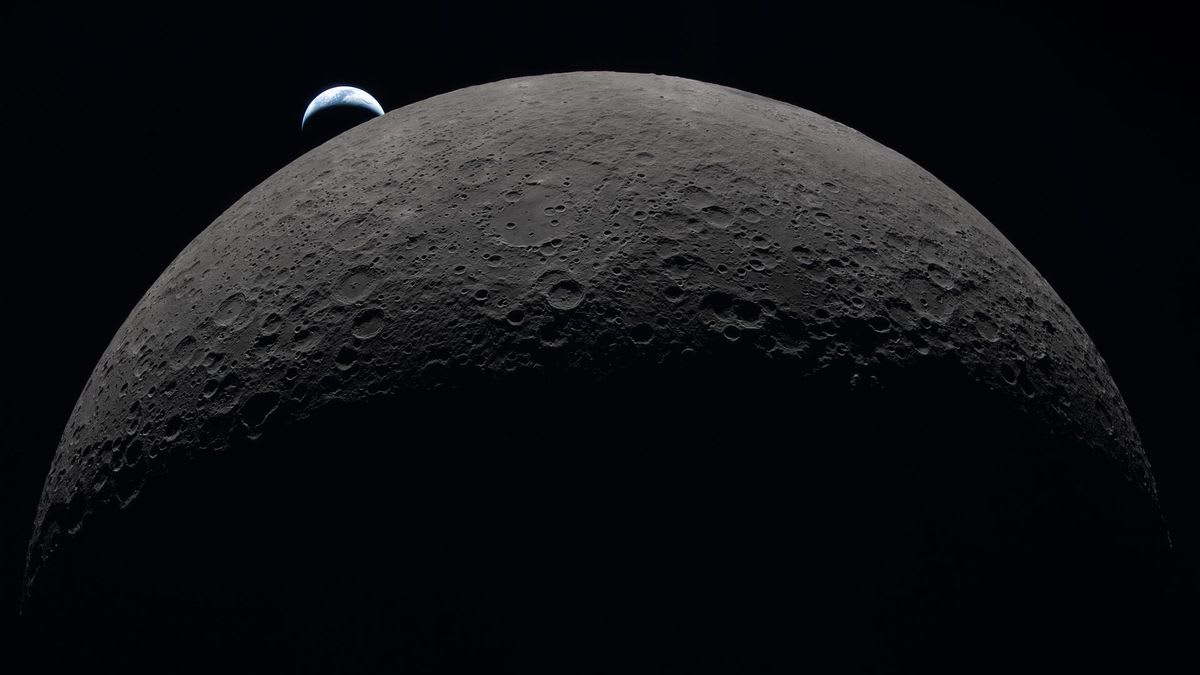
The space agency unveiled details this week for an ambitious lunar base program that could put Americans back on the Moon and keep them there. By 2032, NASA wants astronauts living in semi-permanent housing at the Moon's south pole, supported by nuclear and solar power facilities.
The $20 billion program starts with robots, not humans. Before astronauts arrive, NASA will send robotic landers and hopping drones to explore and map the challenging terrain. These machines will scout locations, test equipment, and prepare the way for human inhabitants.
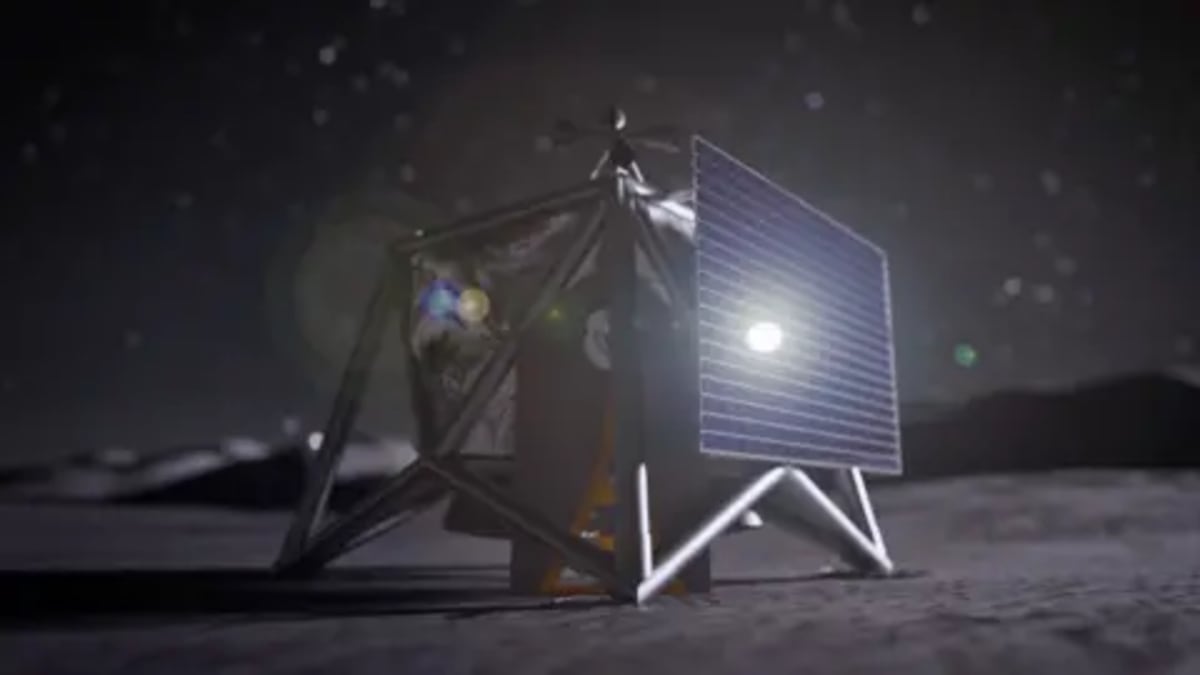
Companies like Jeff Bezos's Blue Origin, Intuitive Machines, and Astrobotic won contracts to build the exploration vehicles. Blue Origin's lunar lander, called Endurance, will feature precise landing capabilities and autonomous navigation. Astrobotic's Griffin-1 lander will explore Nobile Crater near the South Pole.
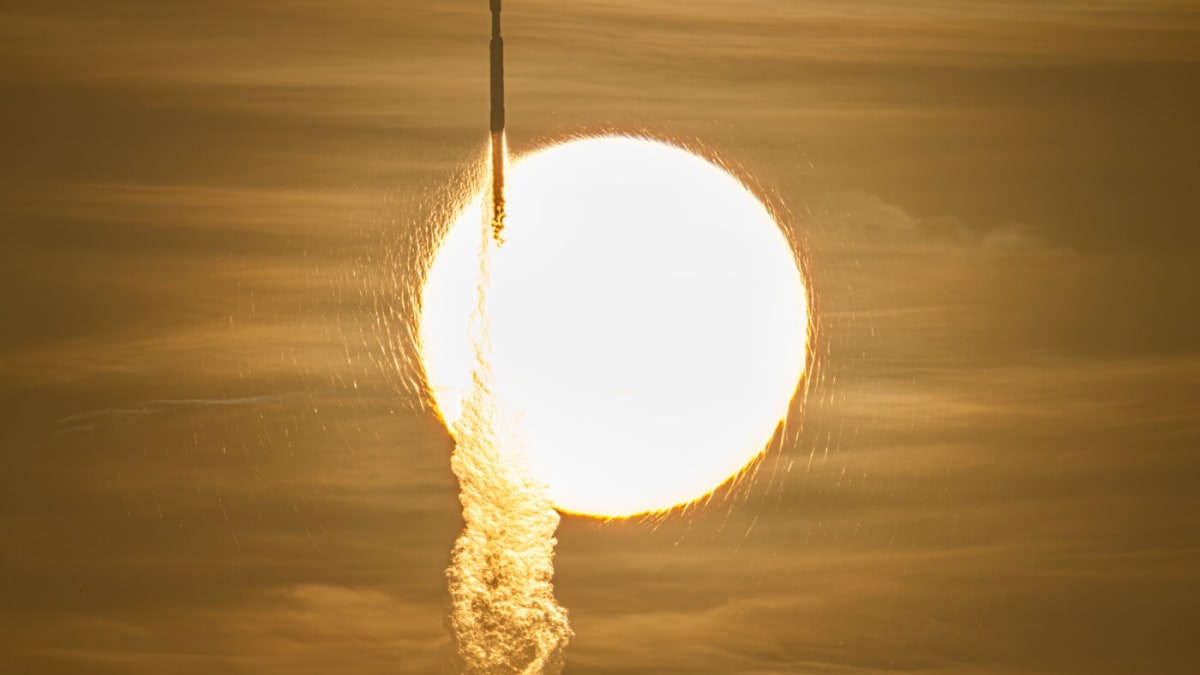
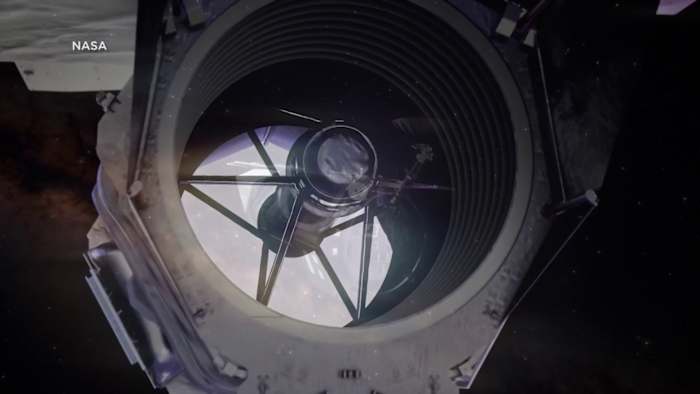
Between now and 2029, NASA plans 25 launches that will deliver 4 metric tonnes of cargo to the Moon. The robotic fleet will include high-resolution cameras and laser guidance systems to help spacecraft land safely on the rocky surface.
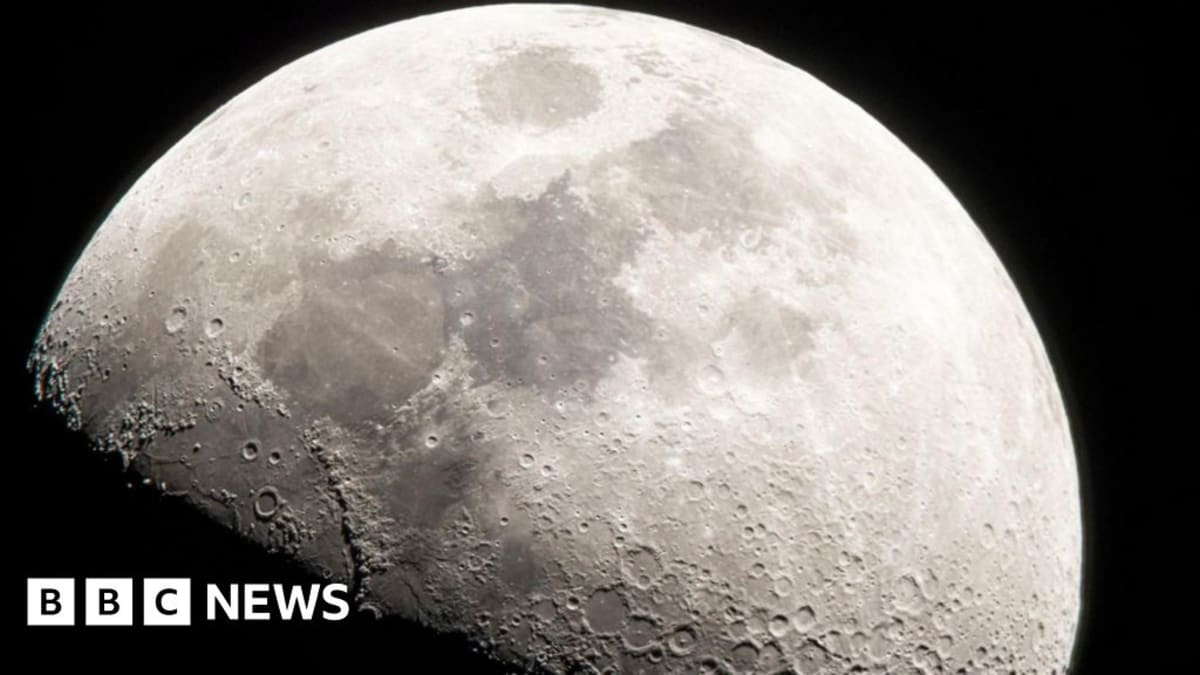
The south pole location is strategic. Frozen water discovered there could provide drinking water for astronauts and be converted into oxygen for breathing. The base would also serve as a launching point for future Mars missions.
The Ripple Effect
A permanent Moon base represents more than just exploration. It opens doors for scientific experiments impossible on Earth and could reveal resources that benefit humanity back home.
The base would give scientists a unique laboratory to study space, test new technologies, and understand how humans can thrive beyond Earth. Long-distance rovers would let astronauts explore vast stretches of lunar terrain, making discoveries that could reshape our understanding of the solar system.
America successfully sent four astronauts around the Moon during the Artemis II mission in April, proving the journey is possible. Now comes the harder part: building infrastructure that lets humans stay.
NASA Administrator Jared Isaacman said the announcements mean America will "never give up the Moon again." While some experts question whether the 2032 timeline is realistic, the detailed plans show genuine progress toward making lunar living a reality.
The Moon's next chapter is being written right now, and it includes a home for humanity among the stars.
More Images

Based on reporting by BBC Science
This story was written by BrightWire based on verified news reports.
Spread the positivity!
Share this good news with someone who needs it