NASA Seeks Volunteers for Year-Long Mars Mission Simulator
NASA is recruiting volunteers to spend a year simulating life on Mars and the Moon, combining space travel and surface living in two high-tech habitats in Houston. Participants will help shape future missions without ever leaving Earth.
Imagine spending a year preparing humanity for interplanetary exploration while your feet stay firmly planted in Texas.
NASA is now accepting applications for its most ambitious simulation yet. Starting in August 2027, volunteers will spend 12 months living in two specially designed habitats at Johnson Space Center in Houston, experiencing what astronauts might face on future Moon and Mars missions.
This isn't your typical research study. Participants will split their time between two remarkable facilities that recreate the full journey of space exploration.
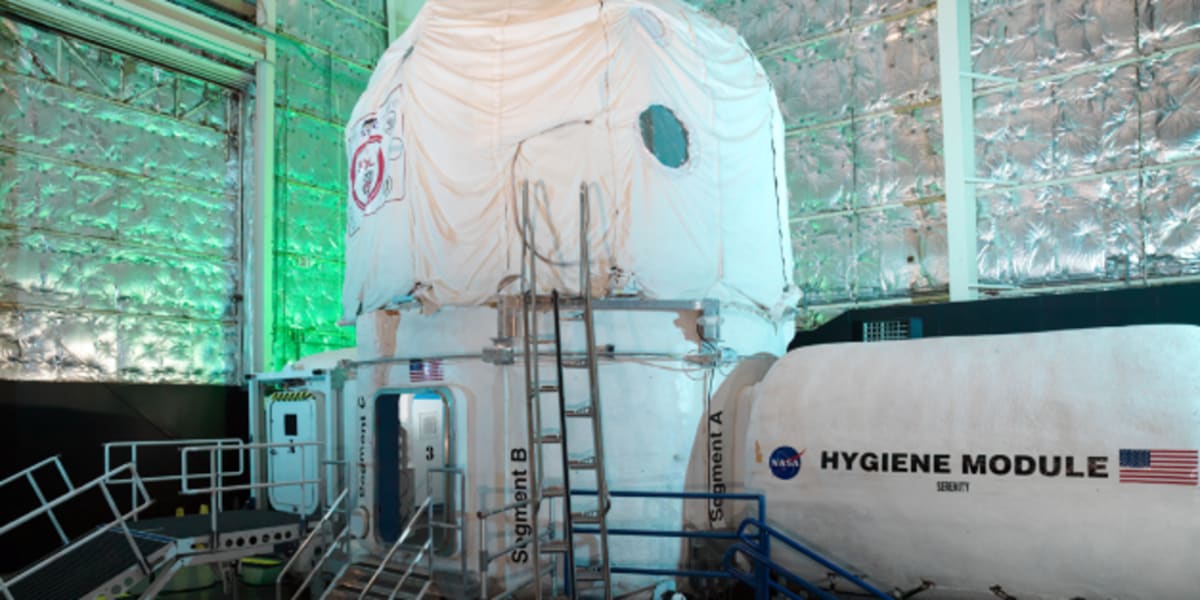
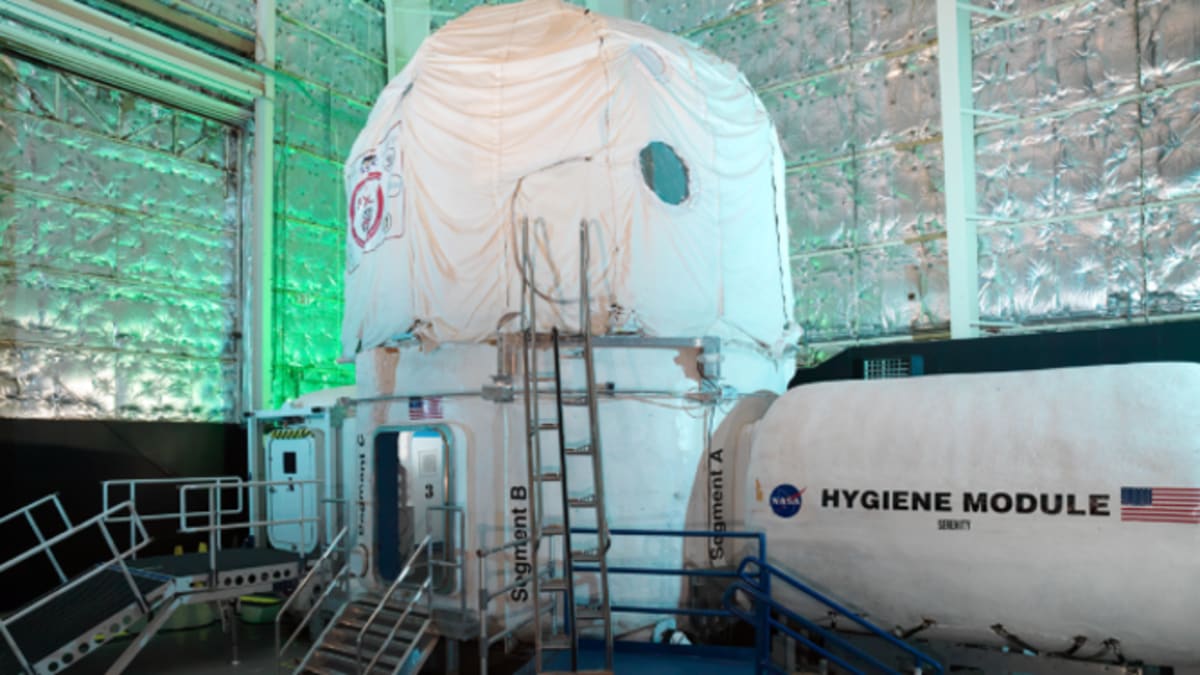
The first habitat mimics a spacecraft traveling through deep space. This 650-square-foot, two-story home away from home includes everything crew members would need during the months-long journey to Mars: sleeping quarters, a workspace, living area, and hygiene facilities.
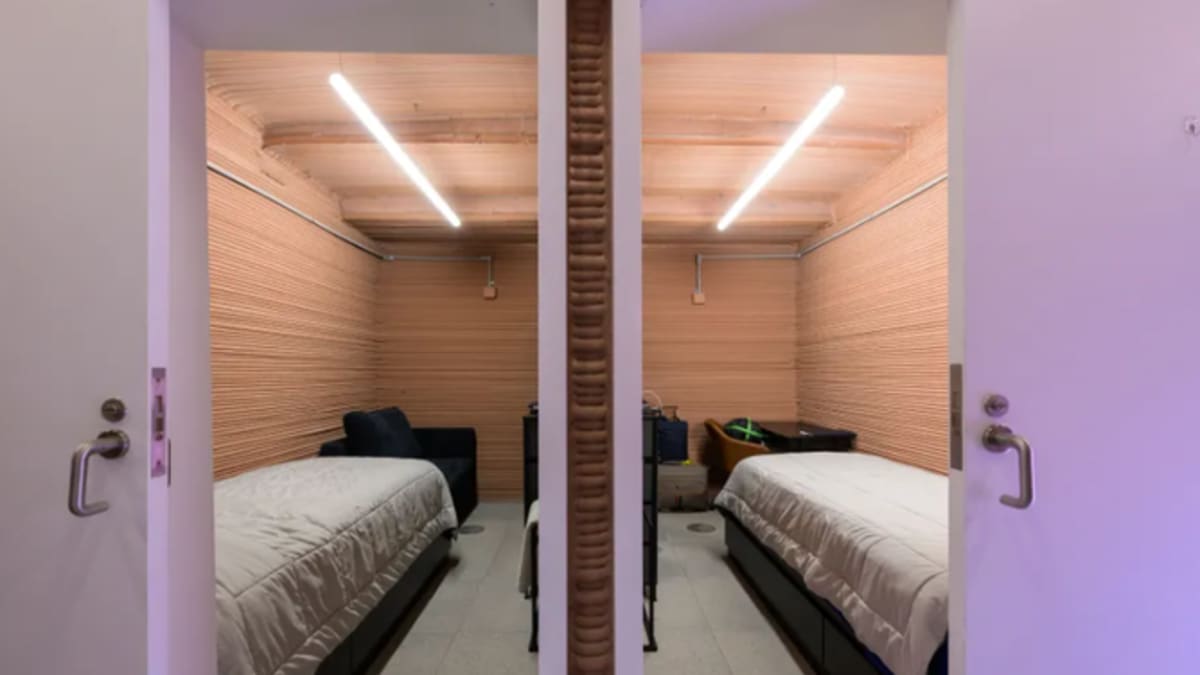
Then comes the surface phase. Volunteers will move into a one-story, 3D-printed habitat that simulates living on another planet, complete with private quarters, a crop cultivation area, and even a sandbox for practicing spacewalks.
The work is serious science. Crew members will help NASA test technologies, validate protocols, and identify what astronauts will truly need to thrive millions of miles from Earth.
NASA isn't looking for just anyone. Applicants need a STEM degree, must be between 30 and 55 years old, and can't be taller than six feet two inches. Strong technical skills matter, but so does something equally important: the ability to work well with others in tight quarters for an extended time.
The qualifications mirror what NASA seeks in actual astronauts. Candidates need backgrounds in engineering, biological science, physical science, or mathematics, and military experience counts toward the requirement.
Why This Inspires
This mission represents something beautifully human: our willingness to endure isolation and confinement so others can reach for the stars safely. These volunteers won't get the glory of spaceflight, but their contributions will be written into every future mission to the Moon and Mars.
The data collected will inform NASA's Artemis program and plans for a permanent lunar base. Every challenge these Earth-bound crews face and solve becomes a problem future astronauts won't have to tackle alone in space.
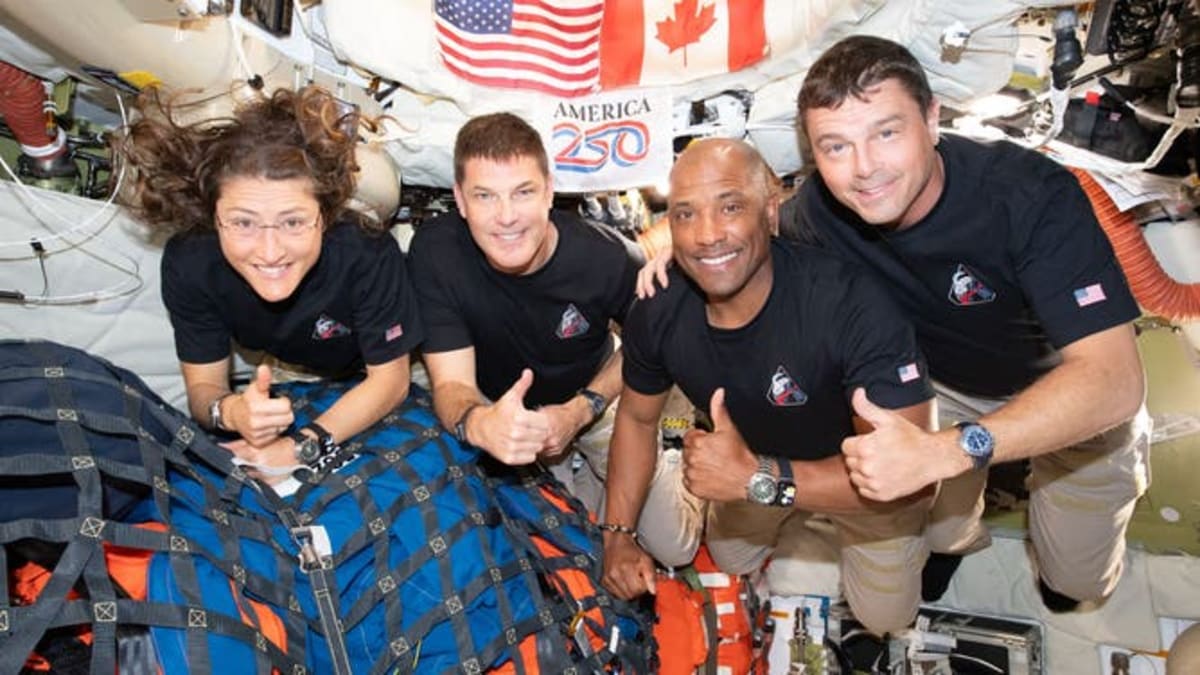
What makes this particularly exciting is the timing. NASA's Artemis II mission is already in motion, with crew members preparing for humanity's return to the Moon. These simulation volunteers will directly support that effort and everything that follows.
The research tackles practical questions that only long-duration testing can answer. How do people really adapt to confined spaces over months? What food systems work best? How can crews maintain mental health and performance under constant resource constraints?
Applications are open now, and NASA is offering compensation for participants. For the right person, this represents a once-in-a-lifetime opportunity to contribute to space exploration history without needing a rocket.
More Images
Based on reporting by Google News - Science
This story was written by BrightWire based on verified news reports.
Spread the positivity!
Share this good news with someone who needs it