Miami Firm Launches First Commercial Nuclear-Powered Satellite
A softball-sized satellite carrying a pencil eraser-sized nuclear battery just made history by becoming the first commercial spacecraft cleared to fly with nuclear power. The real breakthrough isn't the tiny amount of electricity it makes, but the regulatory door it opens for an entire industry.
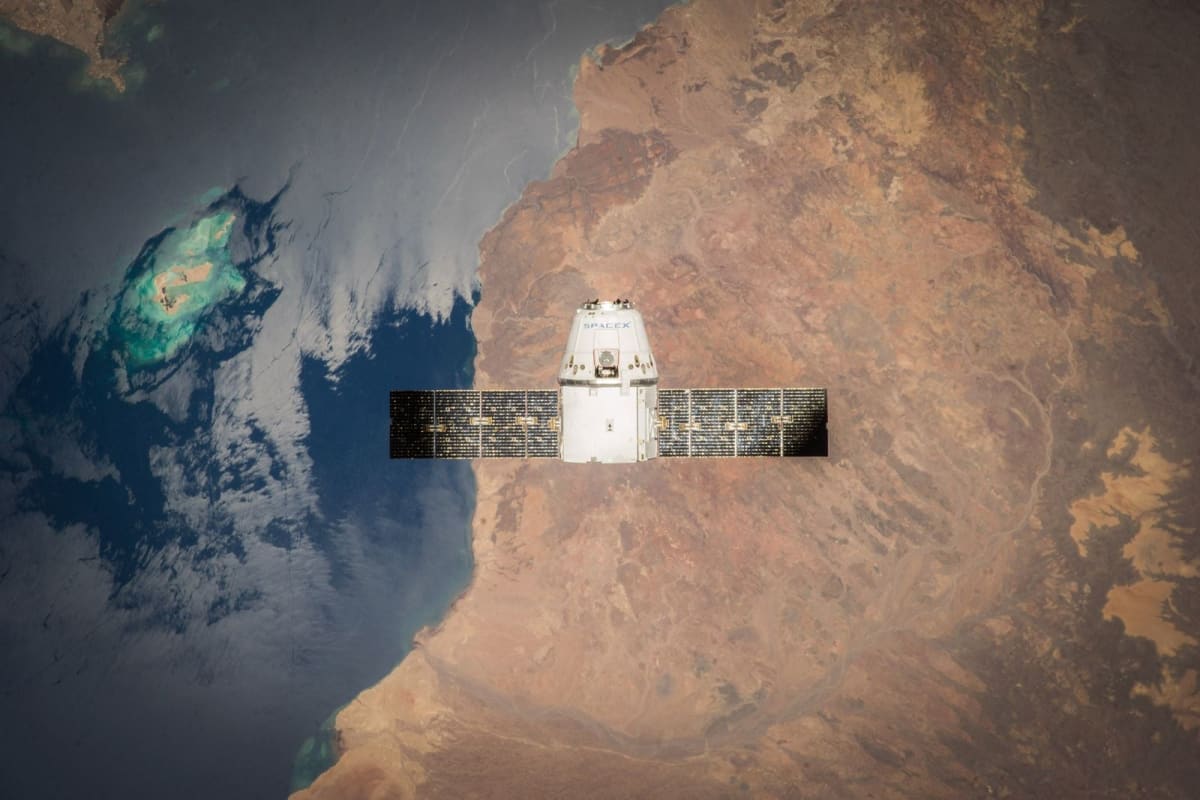
A Miami company just proved that commercial nuclear power in space isn't science fiction anymore. City Labs launched its BOHR satellite aboard a SpaceX rocket in early July, carrying a tritium-powered battery that survived a regulatory gauntlet no commercial company had ever cleared before.
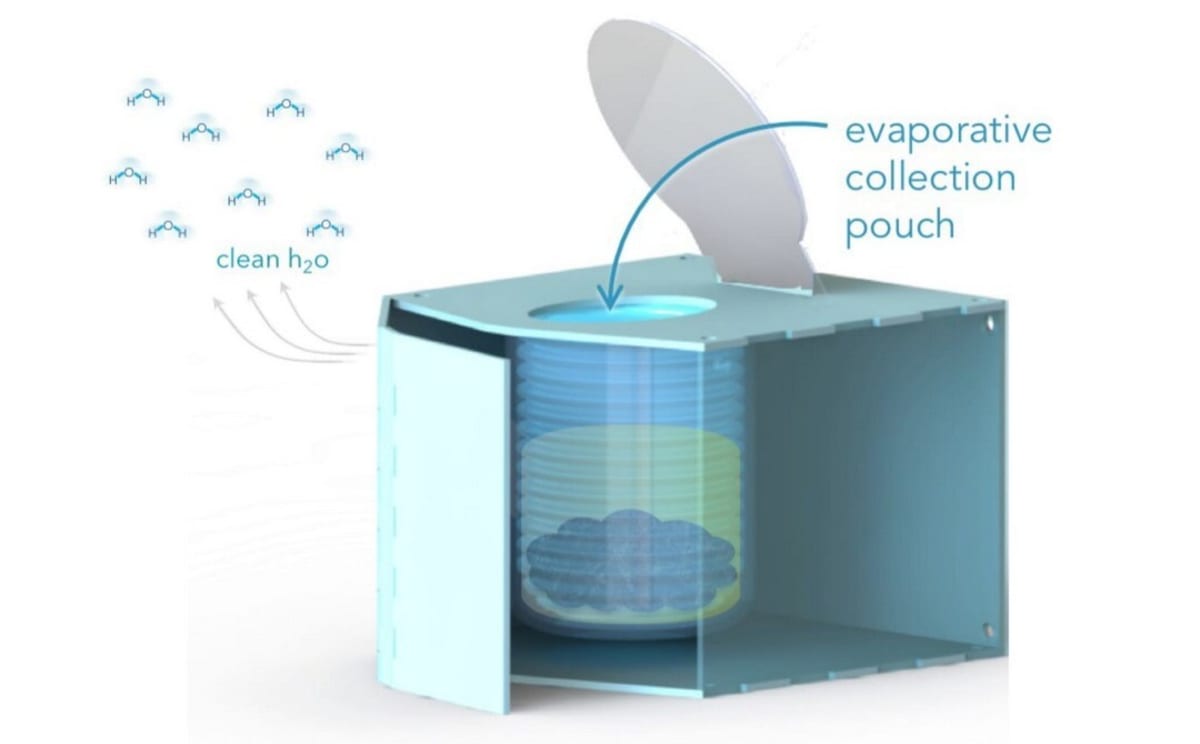
The satellite itself is tiny, about the size of a softball, and runs mostly on regular solar panels. The nuclear component is a betavoltaic battery roughly the size of a pencil eraser that converts radioactive decay from tritium directly into electricity using a semiconductor.
The power output is measured in nanowatts to microwatts, which sounds almost comically small. You couldn't run a communications satellite with it, let alone power a lunar base, but that's not really the point.
City Labs CEO Peter Cabauy is refreshingly honest about what tritium batteries can and can't do. They won't power rovers or run radios strong enough to reach Earth from the Moon, but they can keep a sensor alive in a permanently shadowed lunar crater where solar panels are useless and chemical batteries freeze solid.
NASA has already been working with City Labs on exactly that application, exploring tritium power for instruments in the shadowed regions near the Moon's poles where scientists hope to find water ice.
The tritium itself is remarkably safe compared to other nuclear materials. The Nuclear Regulatory Commission describes its radiation as weak beta particles that can't penetrate skin and don't travel far in air, making it safe enough to ship to a residential address.
The Ripple Effect
The real story here isn't about wattage. It's about paperwork that actually works.
Before September 2025, any commercial company wanting to launch nuclear material into space faced a case-by-case interagency review at the highest levels of government. That process worked fine for the handful of NASA science missions carrying plutonium-238, but it created a massive bottleneck for commercial companies that might eventually want to fly hundreds of small nuclear payloads on rideshare missions.
The FAA issued its approval for BOHR on September 30, 2025, following a safety analysis led by City Labs and independently validated by Sandia National Laboratories. That approval is now a template that other companies can follow.
For companies working on radioisotope power for small spacecraft, and there are several, BOHR just showed them the pathway forward. They now have a documented example of how the review works, what the FAA requires, and what the timeline looks like.
The battery aboard BOHR is expected to keep producing current for roughly a decade, though City Labs expects flight performance data within weeks to months. It won't power humanity's return to the Moon by itself, but it just might help clear the regulatory path for the technologies that will.
More Images




Based on reporting by Google News - Science
This story was written by BrightWire based on verified news reports.
Spread the positivity!
Share this good news with someone who needs it