Artificial Wetlands Cut Water Pollution by 80 Percent
Scientists in Spain have proven that artificial wetlands can slash water pollution by up to 80 percent, offering a powerful nature-based solution to protect lakes and rivers. The breakthrough shows these green systems work even when treating unpredictable pollution from cities and farms.
A team of researchers in Valencia, Spain has discovered that artificial wetlands are remarkably effective at cleaning polluted water, removing nearly 80 percent of harmful suspended solids naturally. The findings offer communities worldwide a proven, nature-based tool to protect their water supplies and ecosystems.
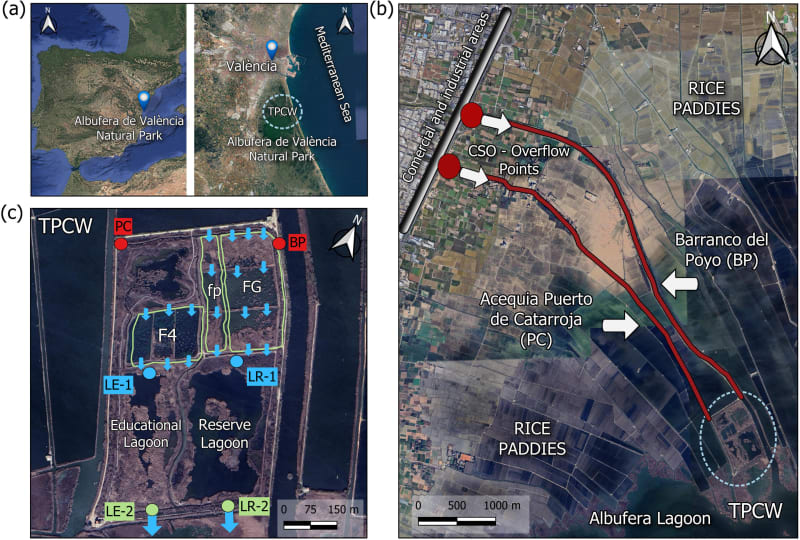
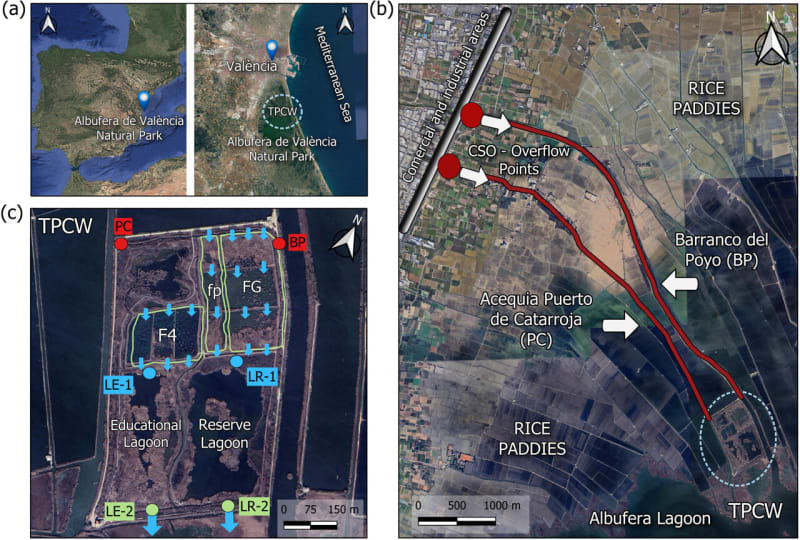
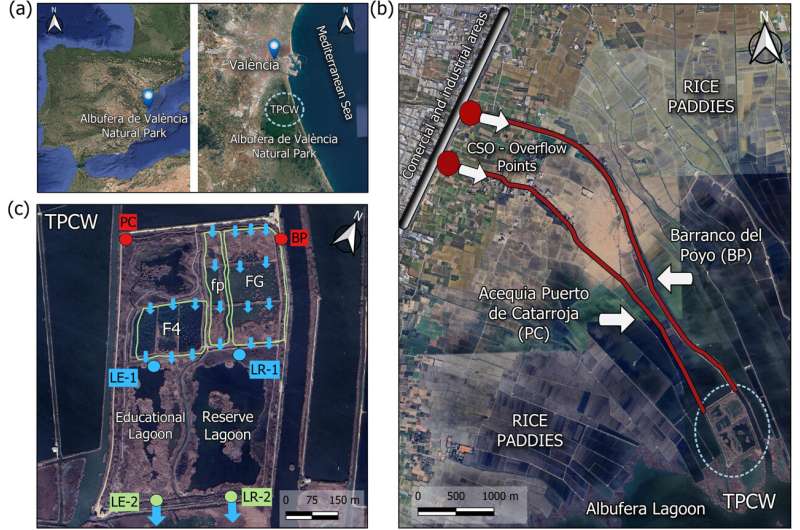
Scientists at the Institute of Water and Environmental Engineering studied the "Tancat de la Pipa" artificial wetland in the Albufera de València Natural Park. They monitored how well the wetland handled pollution from both urban runoff and surrounding agricultural areas, particularly rice paddies that drain into the park's waters.
The results surprised even the researchers. The wetland acted as a natural buffer system, catching pollution spikes and steadily improving water quality through simple sedimentation. Even more impressive, the system wasn't originally designed for this level of treatment but still performed beautifully.
The wetland also tackled ammoniacal nitrogen, a pollutant that causes eutrophication in lakes and rivers. Through natural processes like nitrification, the system significantly reduced this harmful substance, protecting fish and aquatic plants downstream.
Researcher Adrián Martínez explains that these artificial wetlands work as buffer systems, capable of handling variable pollution loads while consistently improving water quality. The key lies in smart design: wetlands with multiple cells running parallel to each other keep water in the system longer, giving nature more time to work its magic.
The Ripple Effect
The research is already making waves beyond the lab. Scientists are applying these findings to the VALPURIN project, which uses artificial wetlands to transform agricultural waste into reusable resources. This approach moves farming toward circular economy models where nothing goes to waste.
Carmen Hernández, another researcher on the team, notes that the study provides technical blueprints for designing and optimizing new green infrastructure worldwide. Communities struggling with polluted runoff now have concrete data showing exactly how to build effective treatment systems using nature itself.
The work arrives at a perfect moment, coinciding with World Wetlands Day and growing interest in nature-based solutions to environmental challenges. Rather than relying solely on expensive treatment plants with high energy costs, cities and towns can harness wetlands to do the heavy lifting naturally.
The institute is already partnering with companies like Global Omnium and Servyeco to scale up these solutions, focusing on protecting soil and water resources while minimizing the environmental footprint of agriculture. The research proves that sometimes the best technology is the one nature has been perfecting for thousands of years.
More Images
Based on reporting by Phys.org - Earth
This story was written by BrightWire based on verified news reports.
Spread the positivity!
Share this good news with someone who needs it


