Asia Leads Global Green Tech Boom With 800K Patents
Green technology innovation exploded into "hyper-growth" in 2020, with Asia now dominating global patent filings and sustainability innovations reaching nearly 800,000 patent families worldwide. Thailand is pivoting from tech adopter to tropical climate innovator as the green economy becomes the foundation of future prosperity.
The world just hit a massive sustainability milestone that nobody saw coming: green technology patents have surged to nearly 800,000 families globally since 2007, with Asia claiming the crown as the undisputed innovation powerhouse.
China is leading this green revolution with an astounding 494,401 patent families, dwarfing Japan's 90,394 and America's 58,403. This isn't just a numbers game; it represents real breakthroughs in clean energy, biodegradable materials, and climate solutions that could reshape how we live.
The momentum exploded in 2020 when green tech entered what experts call a "hyper-growth phase." International climate policies, clean energy investments, and green stimulus packages created the perfect storm for innovation across multiple industries simultaneously.
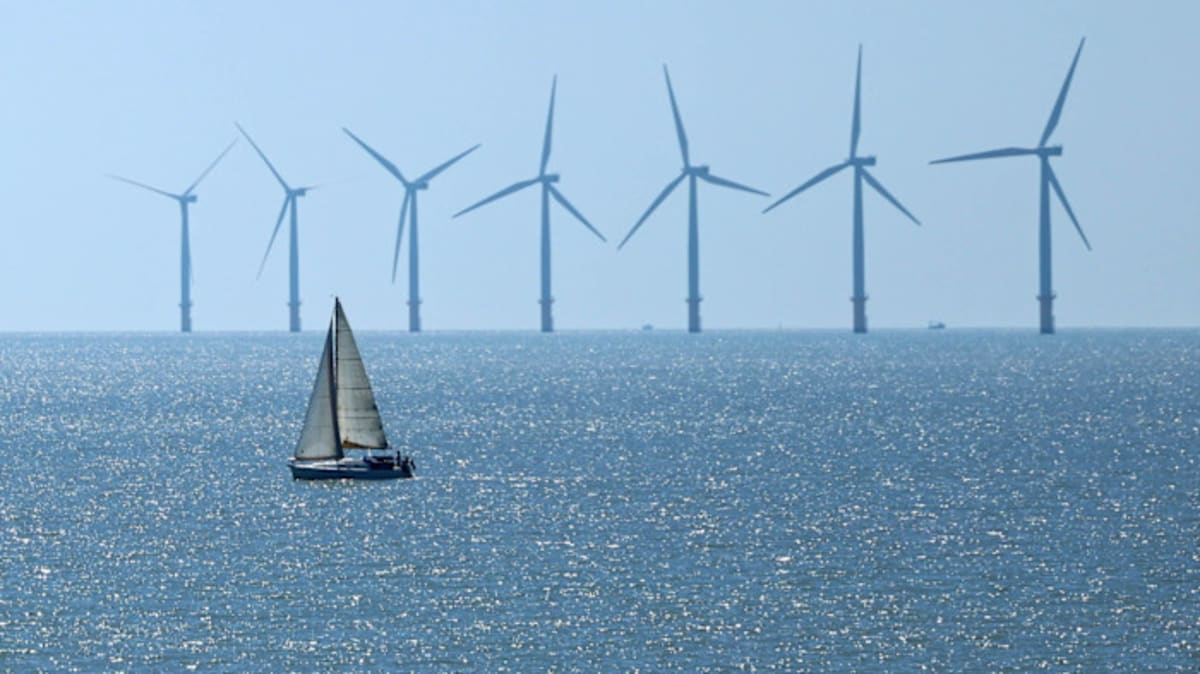
The innovation spans four game-changing sectors. Biodegradable bioplastics and AI-designed polymers lead the pack at nearly half of all patents, while next-generation solar cells and floating wind turbines dominate the energy sector with 44.5% of filings.
But here's the real surprise: precision farming is growing fastest at 28.6% annually. AI-powered drones and smart irrigation systems are projected to create a $24 billion market by 2030, transforming agriculture from traditional practices into high-tech food production.
Thailand is writing its own chapter in this story. While foreign firms currently dominate standard patents in the country, Thai innovators are claiming their space through practical adaptations. Out of 116 energy-saving device modifications, Thai applicants filed 108, driven by universities and science agencies.
The country faces a unique opportunity that Western nations can't touch. Technologies designed for temperate climates often fail in high humidity, creating a massive gap for tropical innovation. Thailand is positioning itself to pioneer moisture-resistant materials and smart farming for crops like rubber, sugarcane, and cassava that thrive in Southeast Asian conditions.
Toyota currently holds the global crown with 10,393 patent families, but competition is fierce. China's State Grid Corporation follows close behind with 10,022 families, while India emerges as a dark horse in sustainable precision farming.
The Ripple Effect spreads far beyond patent offices and corporate labs. These aren't abstract innovations; they're solid-state batteries that charge faster, AI systems that use less water for crops, and building materials that naturally decompose. Every patent represents a potential solution to climate challenges affecting billions of people.
Thailand's Department of Intellectual Property is urging domestic firms to invest now in high-impact areas before the window closes. The message is clear: sustainability innovation has evolved from nice-to-have into the core infrastructure of tomorrow's economy.
By 2030, global sustainability patents are projected to nearly double, creating opportunities for nations willing to invest in climate-specific solutions. Thailand and other tropical countries finally have a chance to lead rather than follow in technologies designed for their unique environments.
The green revolution isn't coming; it's already here, and Asia is showing the world what's possible when innovation meets urgency.
Based on reporting by Regional: thailand innovation (TH)
This story was written by BrightWire based on verified news reports.
Spread the positivity!
Share this good news with someone who needs it