Assam's Majuli Island Sees 493% Rise in Travel Searches
A quiet river island in Assam is becoming India's fastest-rising travel destination as visitors discover centuries-old monasteries, stilt villages, and traditional mask-makers. Searches for nearby Jorhat jumped 493% as travelers seek authentic cultural experiences away from tourist crowds.
A one-hour ferry ride across the Brahmaputra River is quietly changing how travelers think about India's hidden corners.
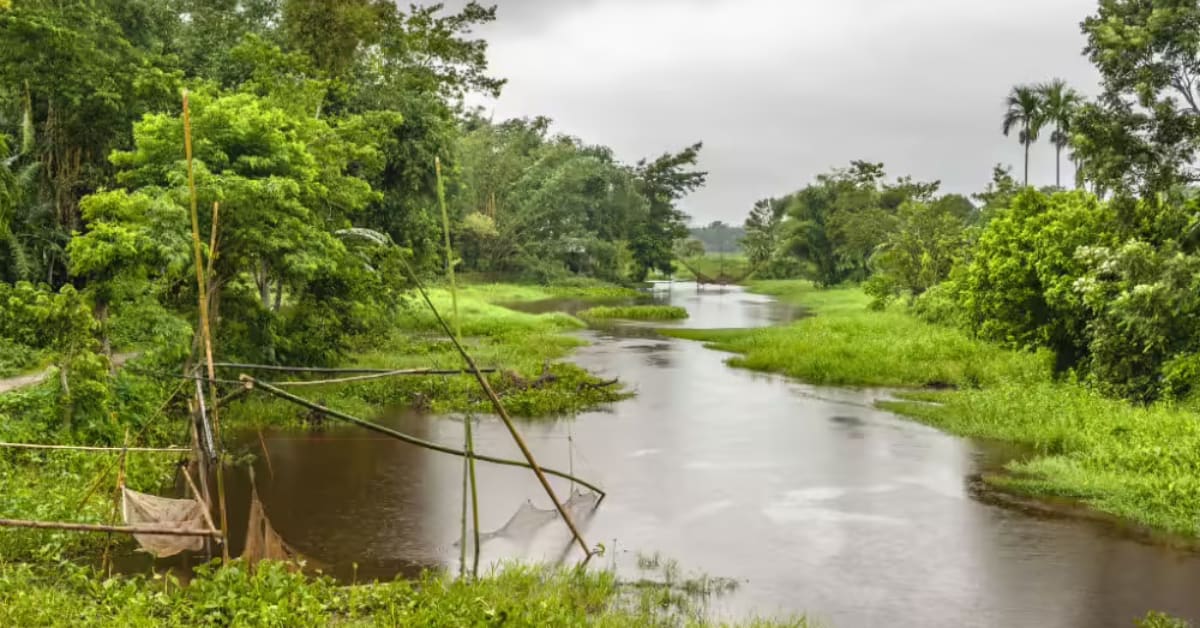
Majuli, one of the world's largest river islands, sits in Assam's upper reaches and has remained largely off tourist maps for centuries. That's changing fast. According to Skyscanner's 2026 travel report, searches for Jorhat, the nearest town with ferry access to Majuli, jumped 493% among Indian travelers this year.
The journey begins at Nimati Ghat, about 14 kilometers from Jorhat, where government ferries run daily between 8 am and 3 pm. Tickets cost just 15 to 30 rupees, and the slow crossing gives passengers sweeping views of one of Asia's mightiest rivers.
What awaits on the other side is a living museum of Assamese culture that has somehow escaped commercialization. The Mishing people, one of Assam's largest indigenous groups, still live in chang ghars, traditional bamboo stilt houses built to withstand the annual monsoon floods that have slowly reshaped the island over centuries.
Majuli once covered 1,300 square kilometers in the 1790s. Today it spans about 352 square kilometers, with several villages and monasteries lost to the river's shifting channels. Yet life adapts and continues.
Walk through Mishing villages and you'll find handlooms clattering on verandas, weaving geometric patterns into textiles that locals actually wear. These aren't performances for tourists because, until recently, the tourists simply weren't here in large numbers.
Why This Inspires
Majuli represents something rare in modern travel: a place where culture remains woven into daily life rather than packaged for consumption. The island's 22 remaining Satras, cultural monasteries established in the 16th century, still train monks in traditional mask-making and performance arts that have been passed down for generations.
What makes this surge in interest particularly hopeful is the timing. About 35% of Indian travelers now say they prioritize authentic local experiences over famous tourist hotspots, according to recent travel surveys. Majuli offers exactly that, a chance to witness tradition not as a museum exhibit but as a living practice shaped by geography, faith, and centuries of adaptation.
The island's very challenges, the floods that redraw its borders each year, the remoteness that requires a ferry journey, have protected it from the kind of rapid development that can hollow out a place's soul. As more travelers make the crossing from Nimati Ghat, Majuli faces a new test: whether it can welcome visitors while keeping the unhurried rhythm that makes it special.
For now, the chang ghars still rise on their stilts, the looms still clatter, and the Brahmaputra still sets the pace of island life.
More Images
.png)
%2Fenglish-betterindia%2Fmedia%2Fmedia_files%2F2026%2F05%2F27%2F1-2026-05-27-18-15-59.png)

Based on reporting by The Better India
This story was written by BrightWire based on verified news reports.
Spread the positivity!
Share this good news with someone who needs it