Astronaut Victor Glover on Flying to the Moon and Back
NASA astronaut Victor Glover just returned from humanity's first crewed lunar mission in over 50 years, and he says the Orion spacecraft flew even better than expected. His test flight success clears the way for moon landings ahead.
Six days after splashing down from a historic journey around the Moon, astronaut Victor Glover couldn't stop grinning about how well his spacecraft performed.
Glover piloted NASA's Orion capsule on the Artemis II mission, becoming one of four astronauts to venture beyond Earth orbit for the first time since 1972. The accomplished Navy pilot had one critical job: test whether humans could actually fly this new spacecraft when it mattered most.
The verdict? Better than anyone simulated back on Earth.
"The real vehicle had better springs," Glover told reporters at NASA's Johnson Space Center. The control stick responded crisply, and the thrusters rumbled like driving a pickup truck on a dirt road instead of the sounds they'd practiced in training.
This wasn't just joyride testing. Glover performed complex rendezvous and proximity operations that future Artemis crews will need to dock with lunar landers. He described it as potentially the most important milestone of the entire mission.
"If we had launched, done the rendezvous demo, and then had to emergency de-orbit, I would have considered us a massive success," Glover explained. Future crews heading to the Moon's surface will need that manual flying capability if automated systems fail, just like Boeing's Starliner crew needed manual control during their emergency in 2024.
Glover brought unique perspective to the test. He previously piloted SpaceX's Crew Dragon to the International Space Station in 2020, giving him experience with both touchscreen controls and traditional stick-and-throttle systems.
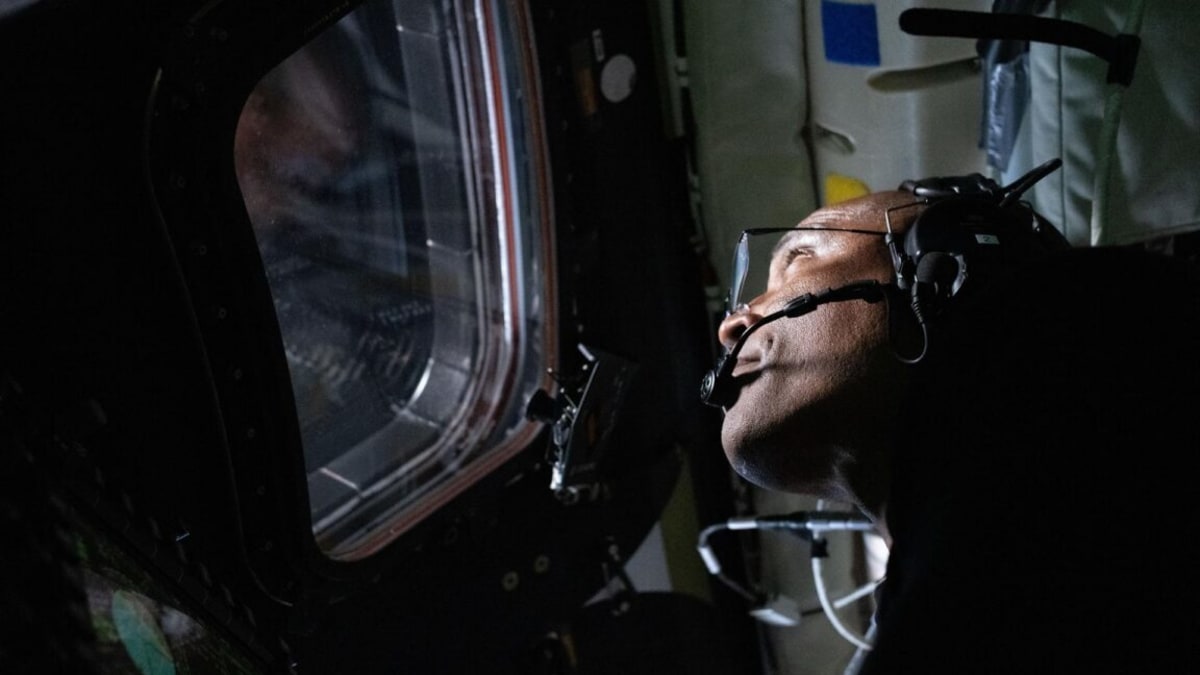
His preference was clear. With hand controllers, he could keep his eyes on the window during precision flying instead of looking down at a screen. One misplaced finger on a touchscreen can fail to register, but a physical stick provides constant tactile feedback.
The Ripple Effect
Glover's successful test flight means something bigger than one mission. Three future Artemis crews will dock with lunar landers, perform complex orbital maneuvers, and land on the Moon's surface knowing their spacecraft handles beautifully when humans take the controls.
The engineering teams who designed Orion's flight systems deserves recognition too. Their simulations slightly underestimated how responsive the real spacecraft would be, a pleasant surprise that validates years of development work.
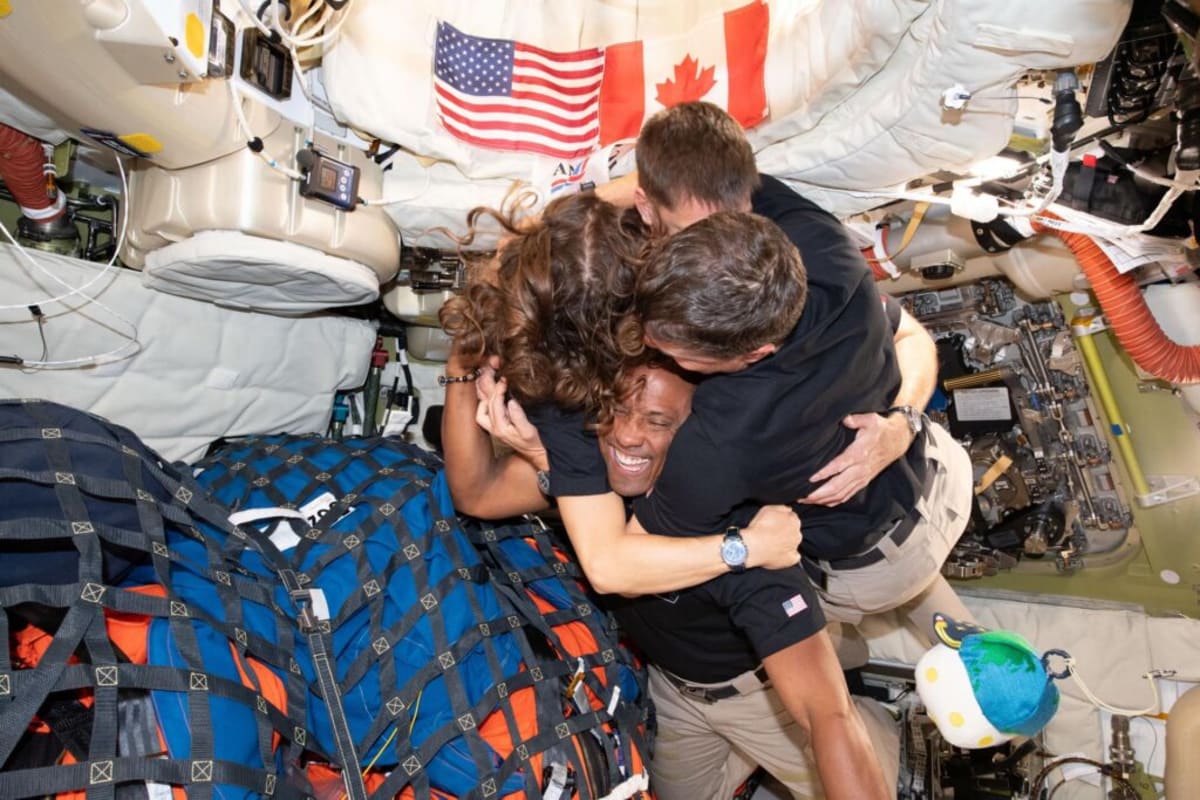
Unlike early space programs where test pilots flew solo, Glover ensured all four Artemis II crew members got hands-on flying time. Future missions might carry doctors or scientists in those seats, and NASA now has data showing the spacecraft works well for varying skill levels.
The path to establishing a permanent lunar base just got a major validation check from someone who's flown both of America's crewed spacecraft and lived to tell the tale with enthusiasm.
More Images


Based on reporting by Google News - Science
This story was written by BrightWire based on verified news reports.
Spread the positivity!
Share this good news with someone who needs it