NASA Engineer Turns Childhood Dreams Into Moon Mission Reality
Scott Wray spent his childhood pretending to be an astronaut in a tent that looked like a lunar lander. Now he's leading the training that will put real astronauts back on the Moon for the first time in over 50 years.
A 6-year-old boy lying in a tent, feet propped on a pillow, counted down an imaginary rocket launch before hopping around his darkened bedroom like an Apollo astronaut. That boy grew up to become the person actually preparing astronauts for lunar missions.
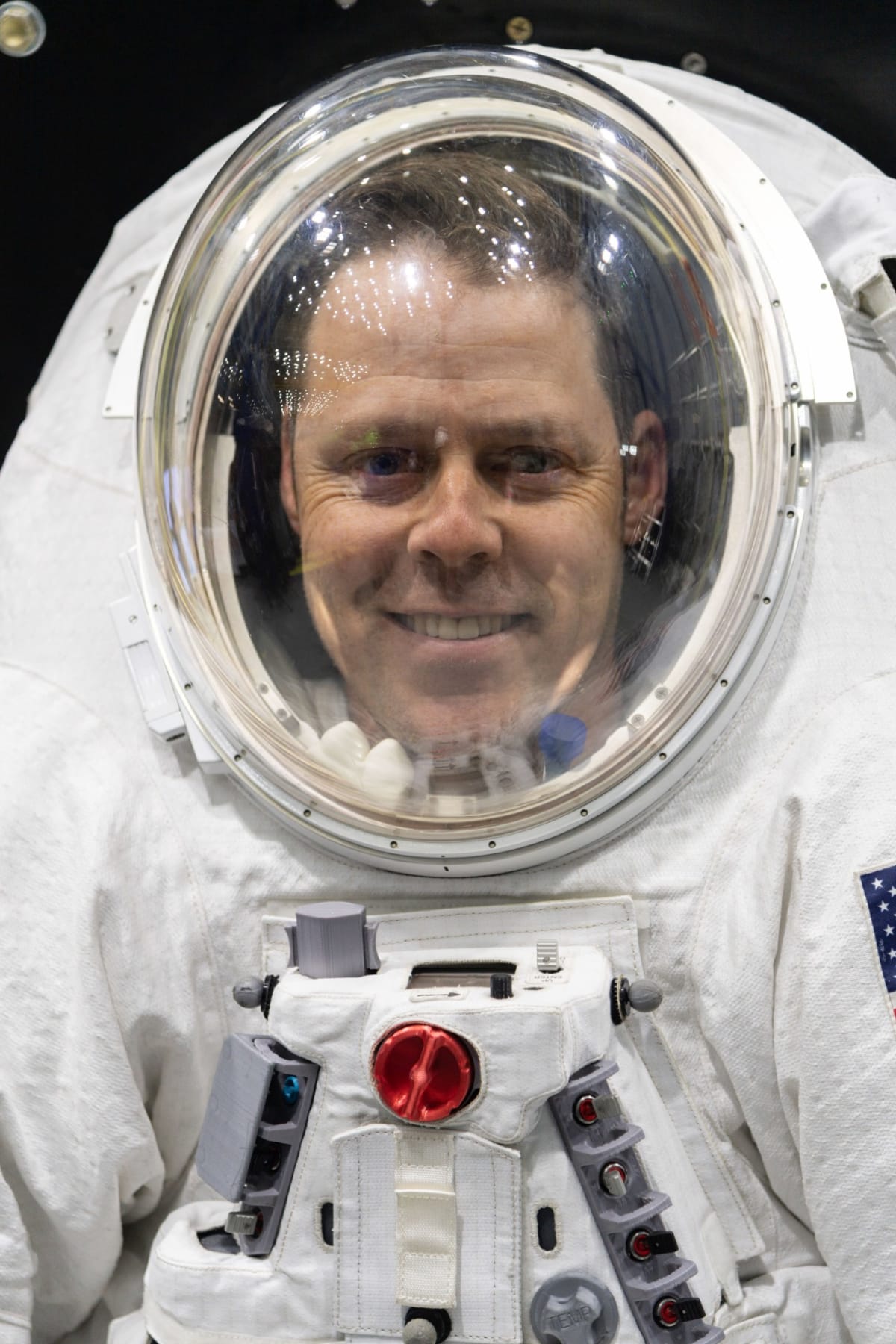
Scott Wray now leads spacewalk training for NASA's Artemis program at Johnson Space Center in Houston. After 16 years with the space agency, he's shaping how the next generation of astronauts will explore the Moon's surface.
His journey started with a childhood week at Space Center Houston, where former NASA Flight Director Gene Kranz inspired him to pursue his dream. Wray studied aerospace engineering and joined NASA through a cooperative program, quickly gravitating toward the hands-on problem solving required for spacewalk training.
That real-world troubleshooting came into focus during a 2007 Space Shuttle mission. Wray helped develop emergency procedures when astronauts needed to repair a damaged thermal blanket using surgical staples and pins. The creative fix worked perfectly.
Wray compares his work to a previous job as a dog mushing guide in remote Alaska, where he managed 250 huskies and learned to repair equipment miles from help. "Some of our best moments as a team have come when our hardware has malfunctioned, requiring us to devise a real-time solution," he said.
He's witnessed spacewalking's dangers firsthand too. In 2013, Wray worked as a flight controller when water mysteriously filled an astronaut's helmet during a spacewalk, forcing an emergency return. The incident reinforced the constant need for vigilance and adaptability.
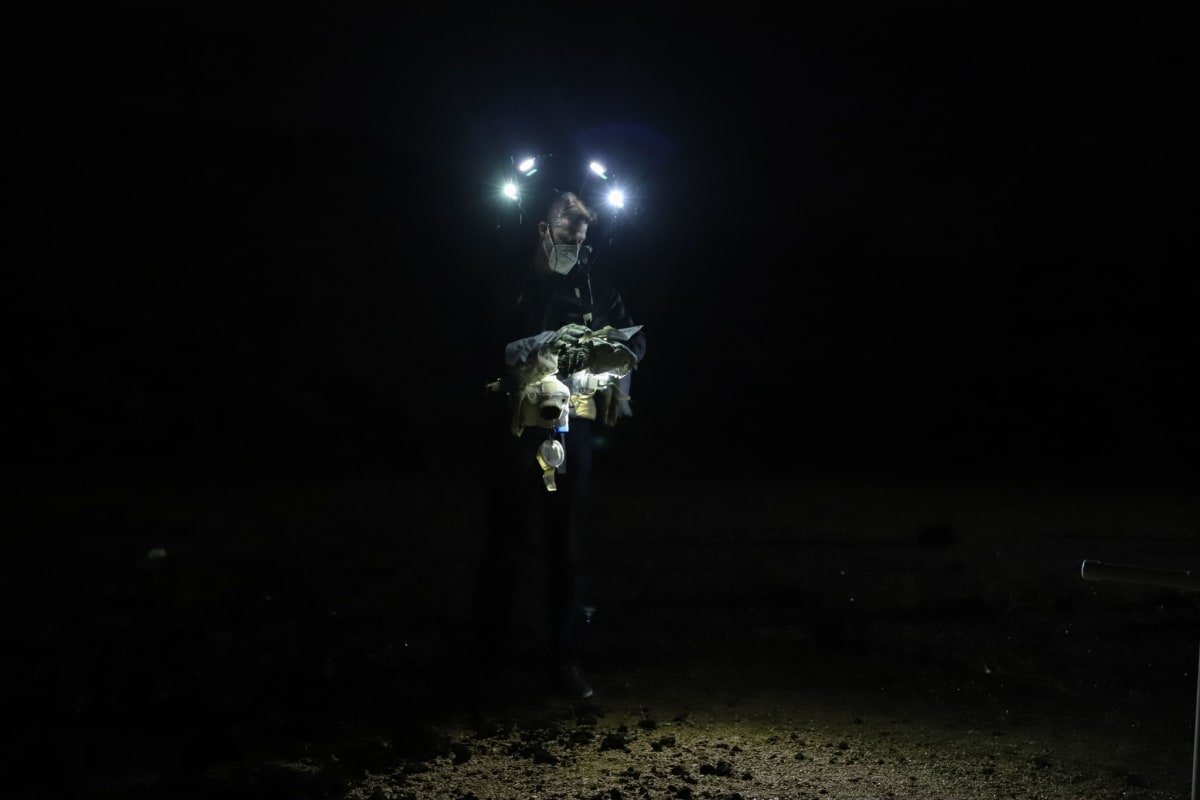
Now Wray faces an entirely new challenge. Artemis astronauts need different skills than space station crews because lunar exploration involves walking on challenging terrain rather than floating. His team created a curriculum combining traditional spacewalk techniques with geology training covering impact craters, volcanic formations, and sample collection.
Why This Inspires
What makes Wray's story remarkable isn't just that he achieved his childhood dream. He's now giving other people the tools to achieve humanity's collective dream of returning to the Moon. Every training session he leads brings us closer to seeing bootprints in lunar dust again.
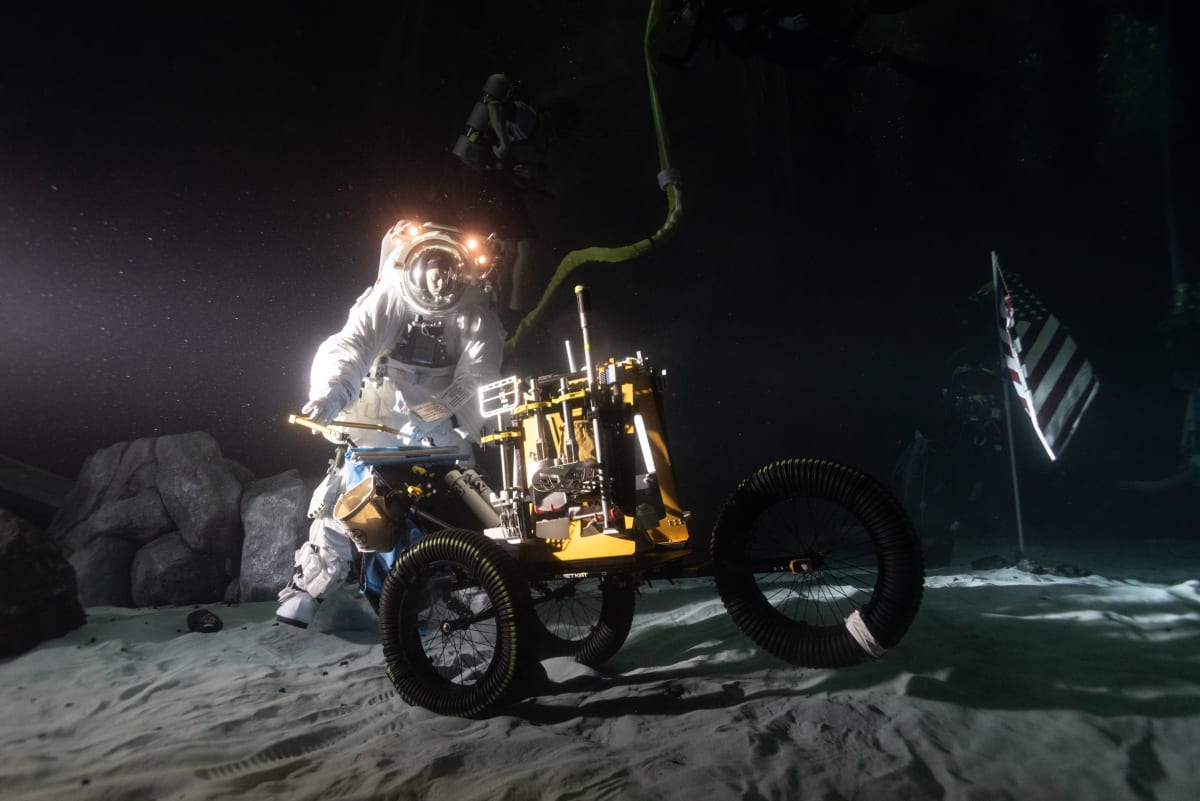
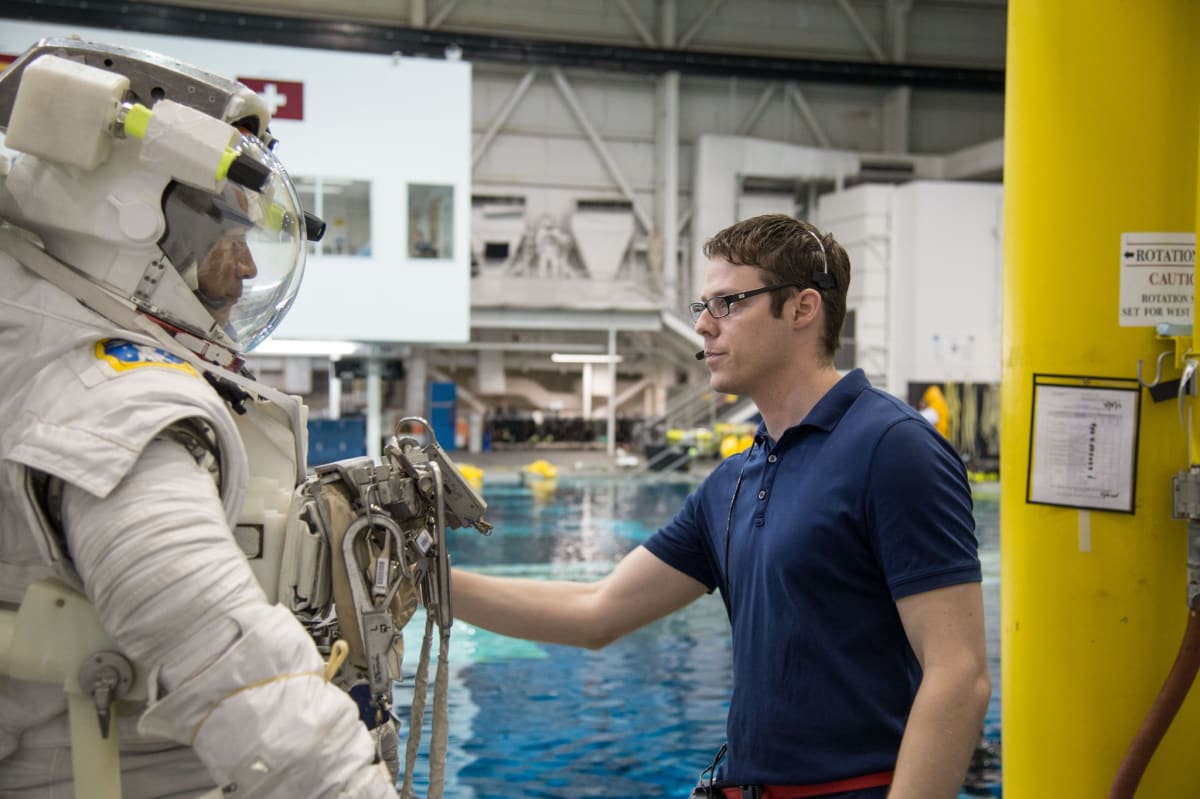
The training happens in multiple environments, including the Neutral Buoyancy Laboratory, NASA's massive underwater training pool. Astronauts practice in spacesuits while submerged, simulating the unique challenges they'll face on another world.
After decades of orbiting Earth, NASA astronauts will soon explore terrain no human has walked in over half a century. That 6-year-old in the tent is making it happen.
More Images
Based on reporting by NASA
This story was written by BrightWire based on verified news reports.
Spread the positivity!
Share this good news with someone who needs it