Astronomers Win Battle to Save Chile's Dark Desert Skies
After a year of protests, a major energy company has scrapped plans for a facility that threatened some of Earth's most important telescopes in Chile's Atacama Desert. The rare victory shows what scientists can achieve when they band together for a common cause.
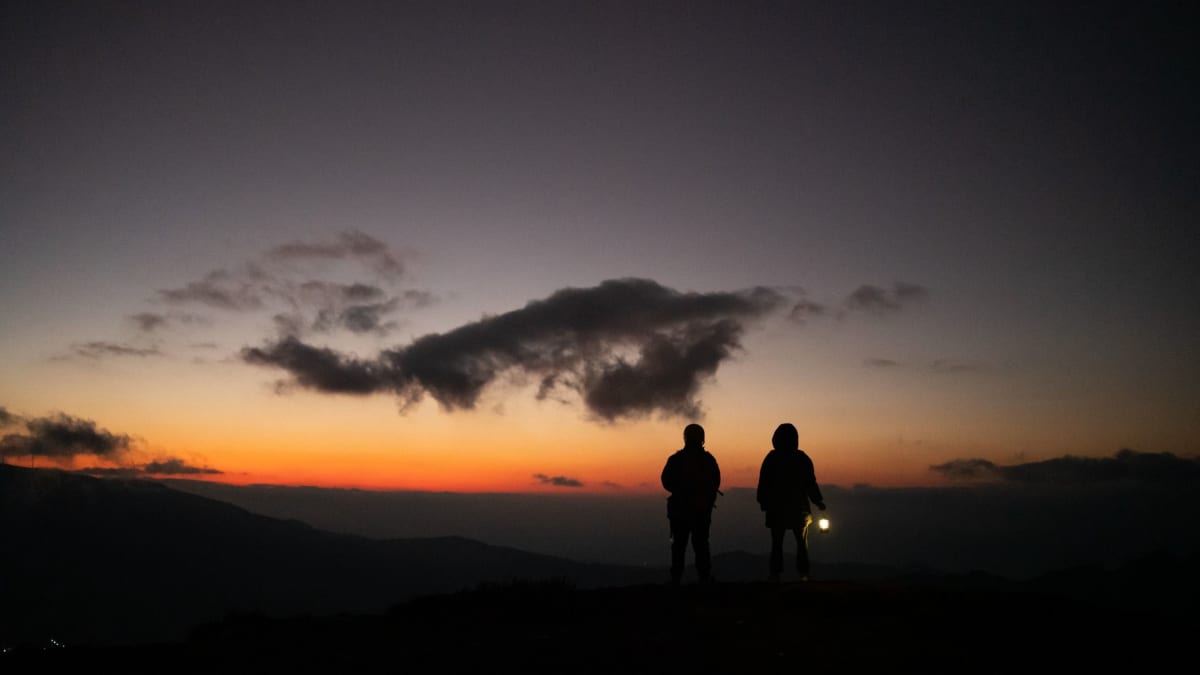
Some of the world's most powerful telescopes just got a reprieve, thanks to astronomers who refused to let their view of the universe go dark.
Last week, AES Andes announced it was abandoning plans for a massive renewable energy facility in Chile's Atacama Desert. The project would have sat just five kilometers from the European Southern Observatory's Paranal Observatory, home to cutting-edge telescopes that peer deep into space.
The Atacama Desert offers some of the darkest, clearest skies on Earth. That's why it hosts several of the planet's most important ground-based telescopes, including instruments that help scientists unlock mysteries of distant galaxies and hunt for planets beyond our solar system.
But the proposed green energy facility threatened to change all that. An ESO study predicted the project would increase light pollution by at least 35 percent for Paranal's Very Large Telescope. The facility would also create atmospheric turbulence that would blur what should be sharp images of the heavens.
Astronomer María Teresa Ruiz of the University of Chile kicked off the resistance in early 2025 with a letter-writing campaign to news organizations and scientific journals. Nobel laureate Reinhard Genzel traveled to the observatory with Germany's president to demand action.
By November 2025, dozens of international astronomers signed an open letter to Chile's government. They weren't asking the company to abandon the project entirely. "We were only saying, 'Please don't do it right here,'" Genzel recalls.
The breakthrough came when Chile's president-elect José Antonio Kast spoke out against the energy project's location. "When he came to the defense of the Chilean skies for astronomy, I woke up and had to celebrate with champagne," Ruiz says.
The Ripple Effect
This victory extends beyond one telescope or one country. Chile also hosts the U.S.'s new Vera C. Rubin Observatory, which is using the world's largest digital camera to map the night sky in unprecedented detail.
Ruiz and other astronomers are now working with Chilean senators to pass legislation that would permanently protect the nation's observatory sites. "We need legislation that will protect these sites forever," she says.
The organized effort that saved Chile's dark skies could serve as a blueprint for astronomers facing other challenges. Scientists are now banding together to address satellite mega-constellations like SpaceX's Starlink, which leave streaks across telescope images like bugs on a windshield.
The lesson is clear: when people unite around protecting something precious, even David can stand up to Goliath and win.
More Images




Based on reporting by Google News - Chile Renewable Energy
This story was written by BrightWire based on verified news reports.
Spread the positivity!
Share this good news with someone who needs it