Australia Brings 150 Bilbies Back After 50-Year Absence
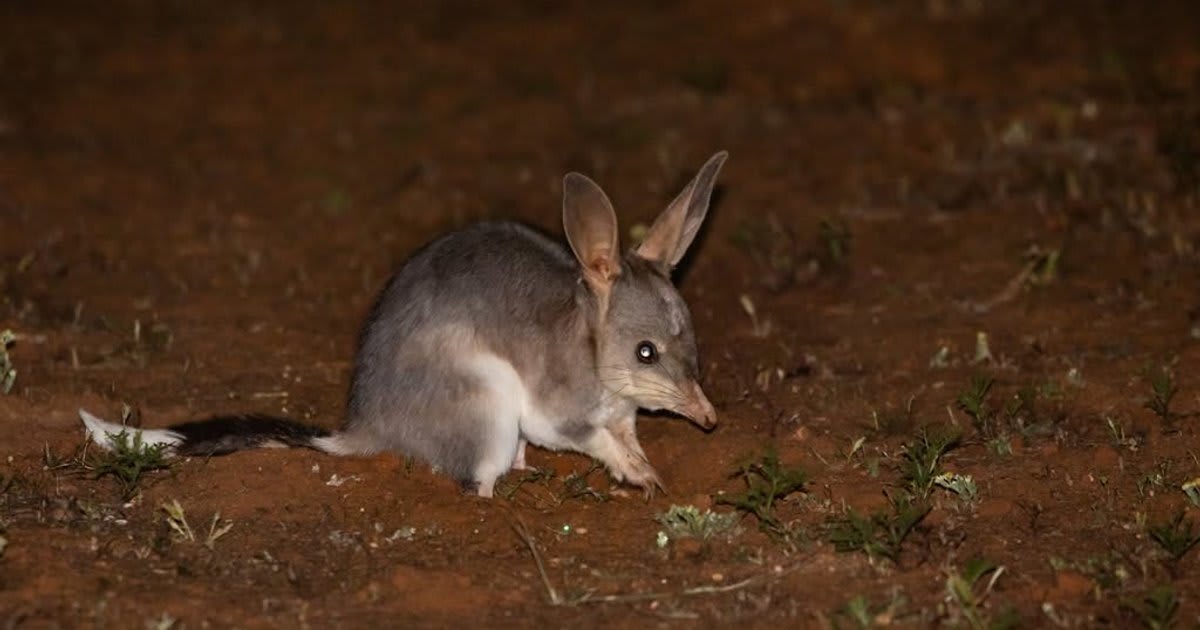
Queensland just released 150 greater bilbies back into their native habitat after the species vanished from the area in the 1970s. The milestone comes as conservation efforts across Australia show real progress in protecting threatened wildlife.
For the first time in decades, greater bilbies are hopping through Currawinya National Park in Queensland after a successful breeding and reintroduction program brought 150 animals home.
The bilbies disappeared from the area in the 1970s, victims of habitat loss and feral predators. Years of careful preparation went into this moment, including breeding programs, habitat restoration, and extensive feral animal control.
Remote cameras, tracking devices, and burrow monitoring will help scientists understand how the bilbies adapt to their ancestral home. Kev Bradley from the Save the Bilby Fund says releasing them into the wild is essential for creating a self-sustaining population that can thrive without human intervention.
The bilby comeback is just one of several conservation wins announced on National Threatened Species Day. Six northern hairy-nosed wombats, among the world's most endangered mammals, now call a new predator-proof home in Dhuny Yumba National Park their own.
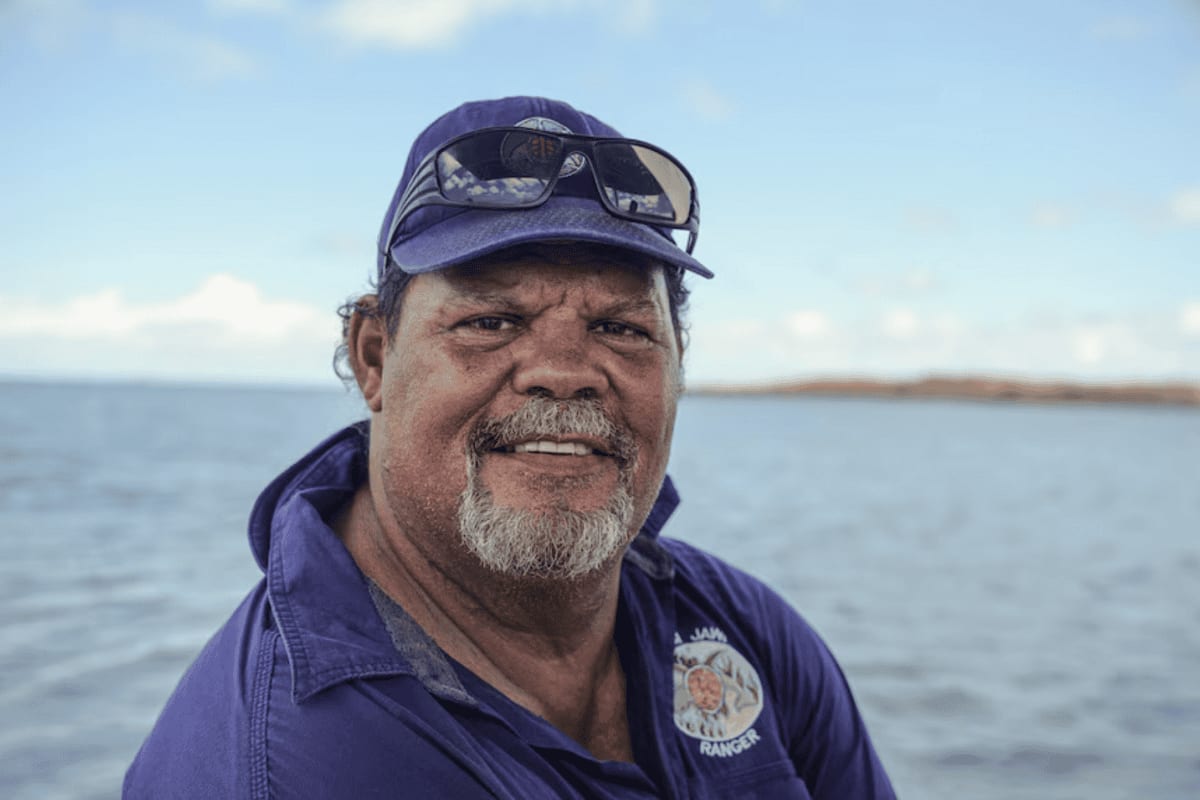
The wombat project brought together the Gunggari Native Title Aboriginal Corporation Ranger Program, Queensland Parks and Wildlife Service, and Australian Wildlife Conservancy. Gunggari People participated from the start, helping shape a translocation that Ranger Program Manager Sue Saunders calls a clear success.
These projects show what targeted conservation can accomplish. Both programs required years of planning, collaboration between government agencies and Traditional Owners, and ongoing commitment to monitoring and protection.
The Ripple Effect
Australia's conservation efforts are gaining momentum nationwide. Since 2022, the federal government has protected 274 species and 16 ecological communities under environmental law for the first time, backed by more than $800 million in conservation funding.
Organizations like Bush Heritage Australia now protect over 9,000 native species across their reserves. In April, Queensland declared the 228,657-hectare Pilungah Special Wildlife Reserve its third Special Wildlife Reserve, permanently protecting the land from mining and other destructive uses.
WWF-Australia reports successful habitat restoration following the devastating 2019-20 bushfires, including programs supporting the silver-headed antechinus in Queensland and reintroducing brush-tailed bettongs on South Australia's Yorke Peninsula.
Queensland Environment and Tourism Minister Andrew Powell captured the spirit of the day perfectly: Threatened Species Day is about more than recognizing species at risk, it's about taking action to secure their future.
Based on reporting by Google: species saved endangered
This story was written by BrightWire based on verified news reports.
Spread the positivity!
Share this good news with someone who needs it