Atlantic Bluefin Tuna Recover After 30-Year Tagging Study
Once headed for collapse, Atlantic bluefin tuna populations have rebounded thanks to international cooperation and strict fishing limits. A groundbreaking 30-year tagging program reveals how safe waters in the western Atlantic helped save both North American and Mediterranean populations.
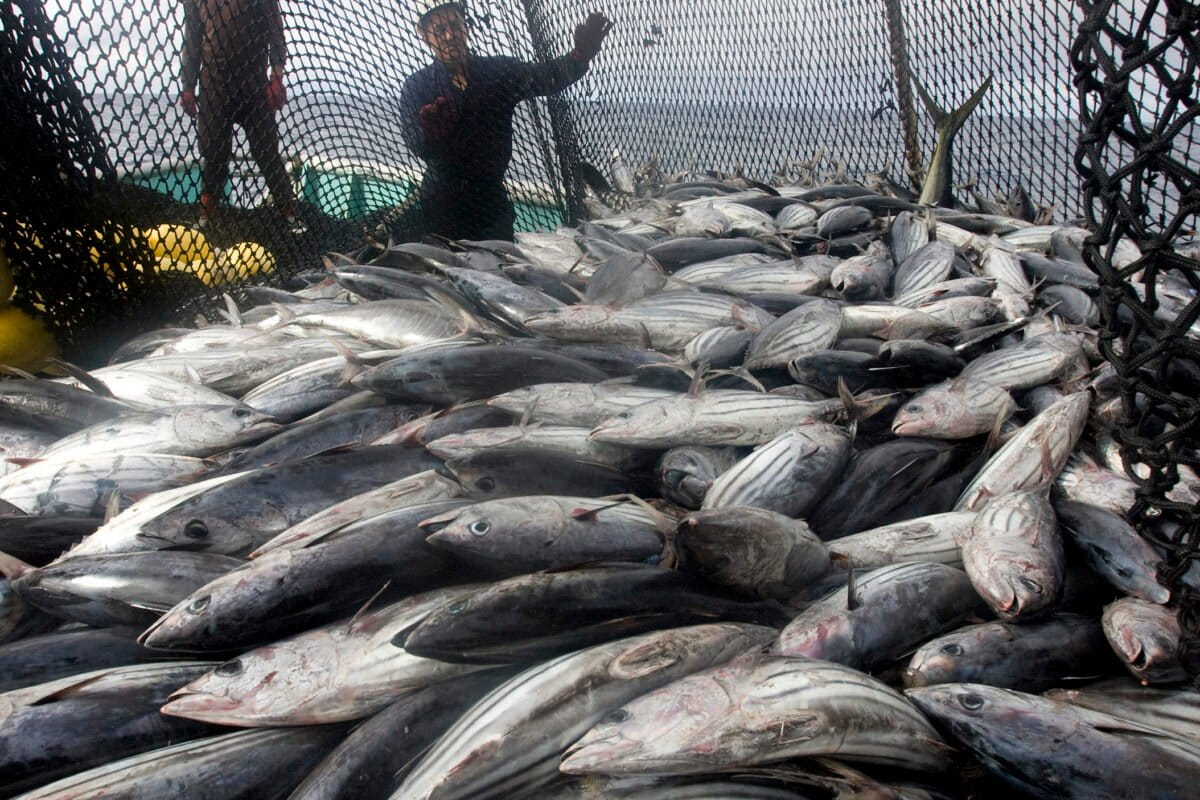
Atlantic bluefin tuna were swimming toward extinction in the early 2000s, but today they're making a stunning comeback that proves conservation can work.
Acadia University in Canada has partnered with Stanford University and researchers across Europe for three decades to electronically tag and track these ocean giants. The program has tagged more than 1,700 bluefin tuna, some weighing over 1,500 pounds, to understand their migration patterns and why the species is recovering.
The answer tells a hopeful story about borders mattering less than cooperation. Strict catch limits in North American waters created a safe haven where bluefin from both populations could feed and grow stronger.
Dr. Mike Stokesbury leads the Canadian research at Acadia's Centre for Estuarine Research. His team works with local fishing captains who catch tuna one at a time, keep them calm with water irrigation, attach electronic tags, and release them back to the ocean.
"The bluefin tuna fishers we work with here in Canada are fantastic," Stokesbury says. "They're conscientious, they're conservation-based, they're professional fisherman, and they are the backbone of the program."
The tags revealed something unexpected. Bluefin from the larger Mediterranean Sea population were crossing the Atlantic to feed in safer western waters before returning home to spawn. While Mediterranean fishing limits remained higher, the stricter North American protections helped both the smaller western population that spawns in the Gulf of Mexico and the Mediterranean fish that visited for meals.
Canada became the ideal tagging location because bluefin tuna retain their body heat, meaning mostly large fish venture into colder Canadian waters. These mature fish provided the most valuable data about migration and survival patterns.
The Ripple Effect
The program has trained 24 Acadia students over the years, connecting young scientists with world-class research and commercial fishing operations. They've learned firsthand how collaboration between fishers, governments, and researchers creates real conservation wins.
Local fishing captains like Dennis Cameron and Kenny Chisholm, along with Canada's Department of Fisheries and Oceans, proved essential partners. Their professional approach and conservation mindset made the decades-long study possible.
The recovery shows what happens when countries coordinate protections for species that don't recognize borders. Mediterranean bluefin benefited from North American regulations thousands of miles away, proving that ocean conservation requires ocean-sized thinking.
Thirty years of patience and partnership have given these magnificent fish a fighting chance at survival.
Based on reporting by Google News - Recovery Story
This story was written by BrightWire based on verified news reports.
Spread the positivity!
Share this good news with someone who needs it