Millions of Mussels Clean Up Perth Bay, Revive Ecosystem
In Western Australia's Cockburn Sound, a former mussel farmer is using millions of filter-feeding mussels to purify water and restore 80% of lost seagrass meadows. The tiny creatures are filtering billions of liters of water while creating underwater nurseries that bring fish populations roaring back.
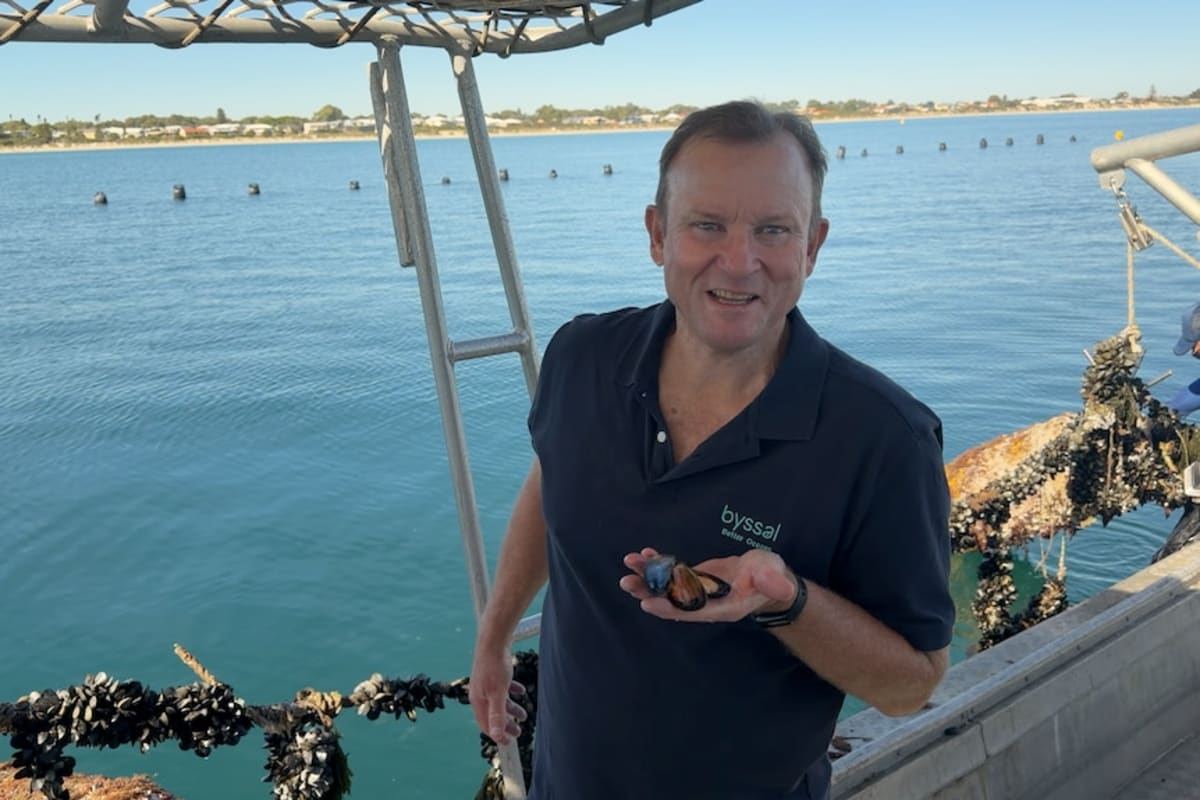
Glenn Dibbin spent nearly 40 years farming mussels in Cockburn Sound, south of Perth, watching the ecosystem swing wildly between thriving and struggling. Now he's using those same mussels not for food, but as nature's cleanup crew.
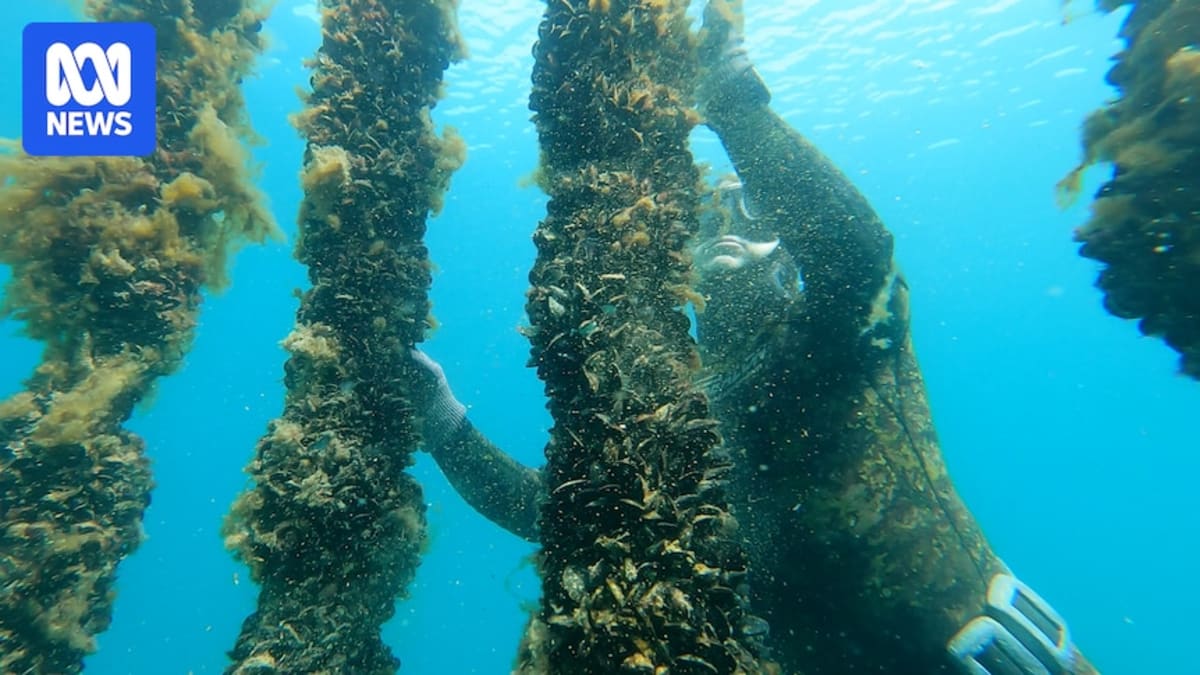
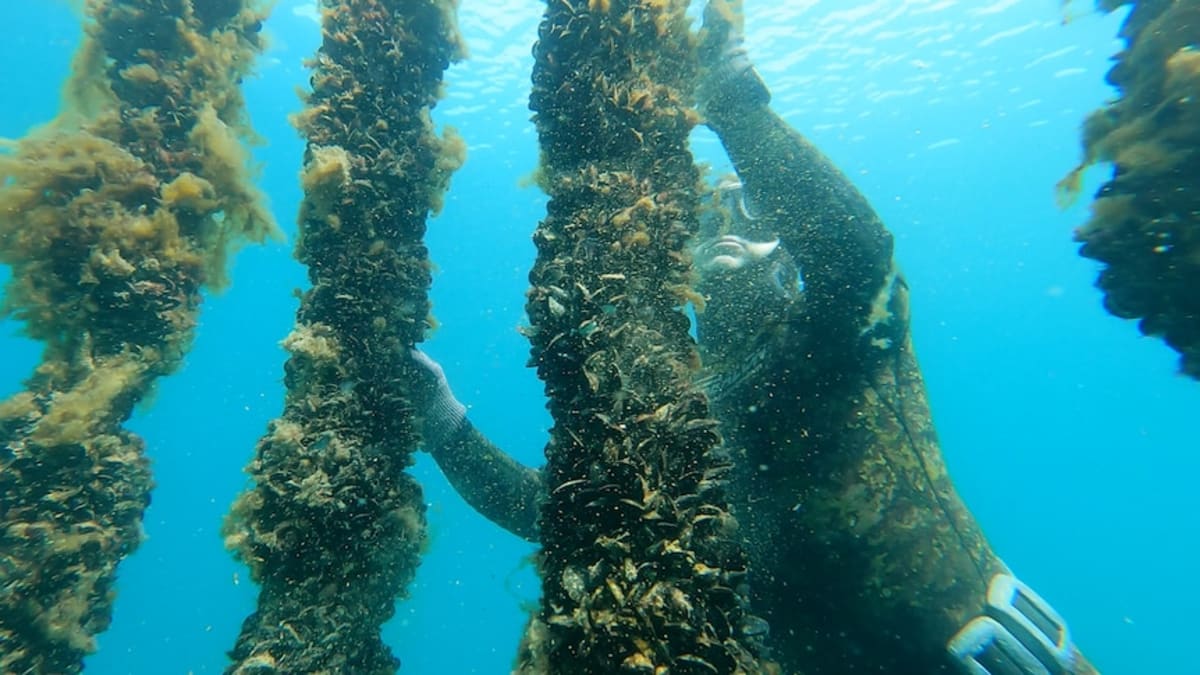
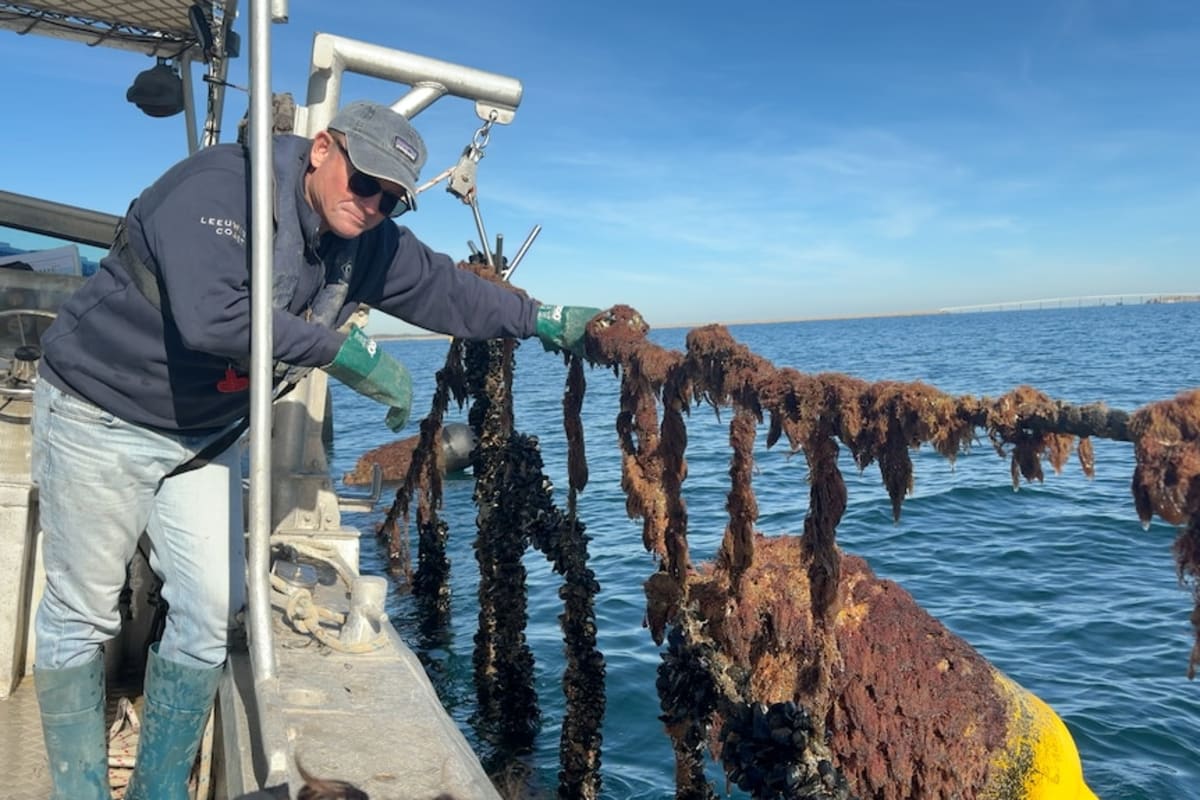
The Byssal project turns abandoned mussel farming infrastructure into an underwater restoration engine. Hairy ropes suspended from buoys collect baby mussels naturally present in the water, and within months, they transform into dense, reef-like structures teeming with life.
The math behind their filtering power is staggering. Each adult mussel filters three liters of water per hour, and with 1,000 tonnes of mussels on the ropes, that adds up to so many zeros "you can't use a calculator," Dibbin says.
That filtering power tackles a critical problem. Nearly 80% of Cockburn Sound's seagrass meadows have vanished since the 1960s, largely because murky water blocks sunlight from reaching the ocean floor. As mussels clean the water, clarity improves, giving seagrass a fighting chance to recover and store carbon from the atmosphere.
The mussel ropes quickly become apartment buildings for marine life. Seaweed grows on the shells, attracting juvenile crabs, prawns and shrimp, which lure larger predators like squid and fish. The entire setup becomes a massive nursery for the ecosystem.
Pink snapper populations tell the project's success story. For years, these fish frustrated Dibbin by devouring 25 tonnes of his commercial crop in a single night during spawning season. Now those hungry snapper are welcome guests, their presence proof that the food web is rebuilding.
The Ripple Effect
The project isn't stopping at rope farms. Through "greenwalling," Byssal removes mussels from ropes and reseeds them onto nearby rock walls and limestone structures, working with the Fremantle Ports Authority to spread restoration across the region.
Recfishwest chief executive Andrew Rowland sees the project as foundational for the area's fishing future. Better baseline productivity means healthier fish stocks, which benefits both the environment and recreational fishers across Western Australia.
The team plans to scale up to 1,000 tonnes of mussel production annually. Community support will be essential, Rowland emphasizes, whether that means conversations at fishing clubs, with local politicians, or simply spreading the word about what's working.
What started as repurposing abandoned infrastructure has become a blueprint for marine restoration that's remarkably simple and surprisingly affordable compared to artificial reefs. Sometimes the best environmental solution is just giving nature the right conditions and letting millions of tiny engineers do what they do best.
More Images

Based on reporting by ABC Australia
This story was written by BrightWire based on verified news reports.
Spread the positivity!
Share this good news with someone who needs it
%2Fhttps%3A%2F%2Ftf-cmsv2-smithsonianmag-media.s3.amazonaws.com%2Ffiler_public%2F3f%2F8b%2F3f8ba94f-bec9-40c9-b0c7-1b63c5ebea39%2F1280px-ancient_and_modern_4000_years.jpg)