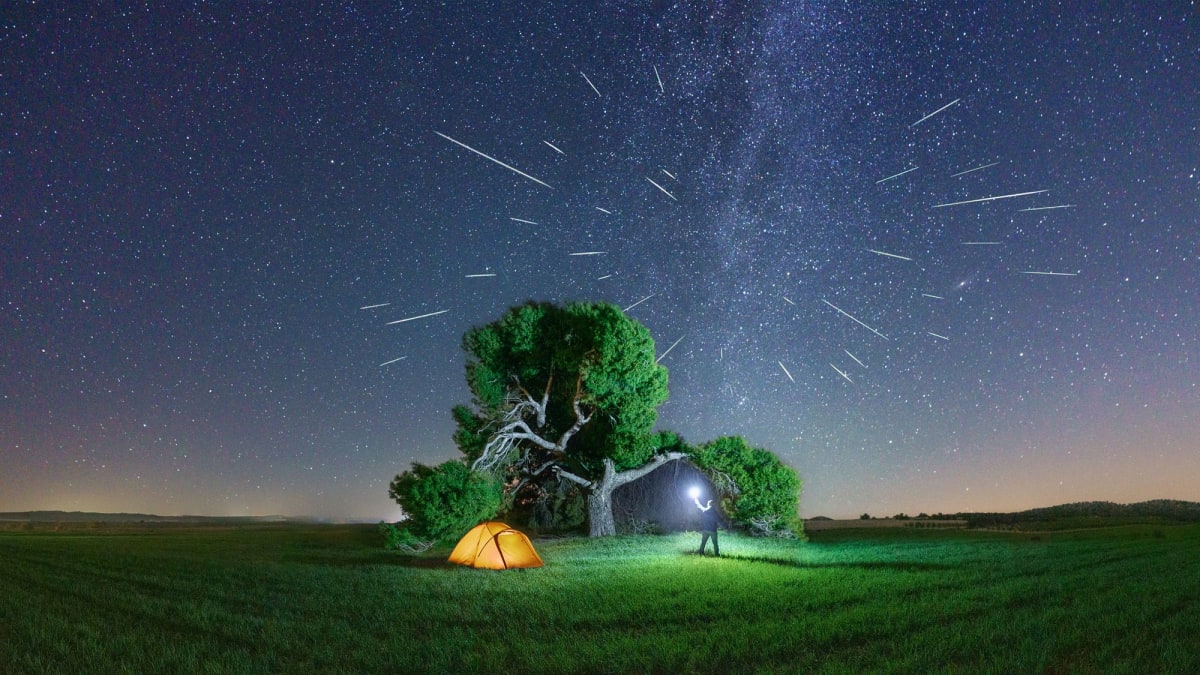
Aug. 12, 2026: Solar Eclipse Meets Peak Meteor Shower
Skywatchers will witness a rare double feature on August 12, 2026, when a total solar eclipse and the Perseid meteor shower peak on the same day. The new moon that creates the eclipse will also deliver perfectly dark skies for meteor viewing.
Nature is planning an extraordinary sky show for August 12, 2026, combining two celestial events that rarely align so perfectly.
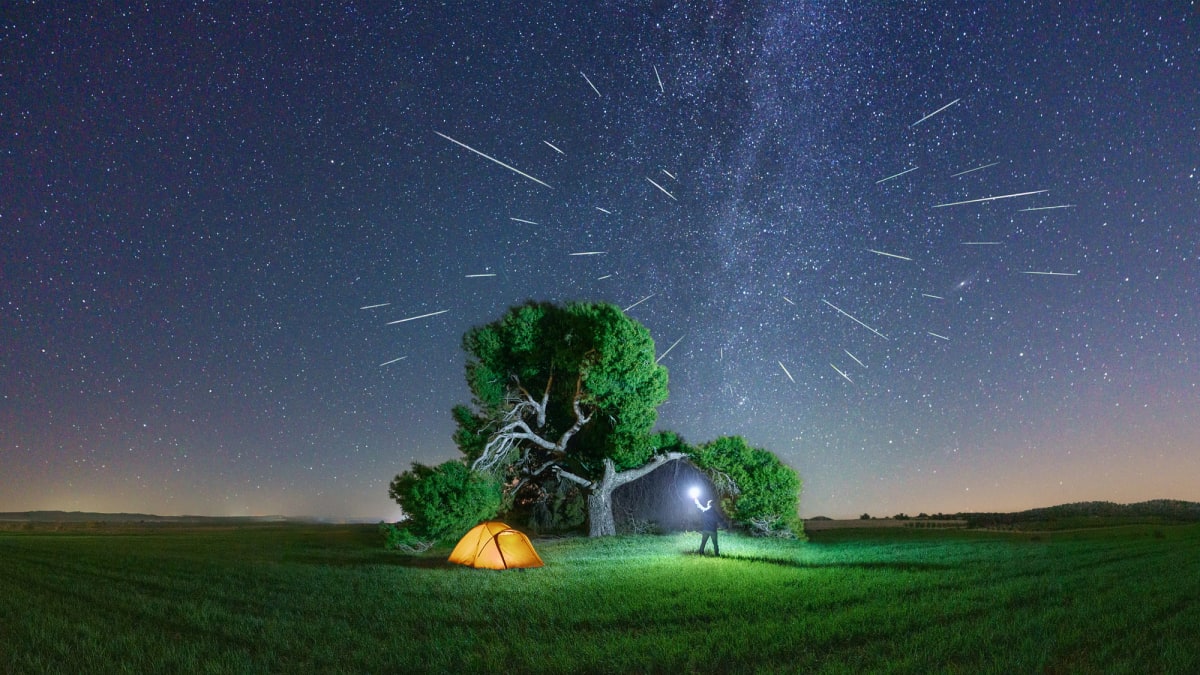
A total solar eclipse will sweep across parts of Greenland, Iceland, and northern Spain that day, while viewers across North America and Europe will see a partial eclipse. Hours later, the Perseid meteor shower reaches its peak, potentially delivering 30 to 50 shooting stars per hour under ideal conditions.
The timing couldn't be better. The same new moon that allows the solar eclipse to happen will also create pitch-black skies for meteor watching, removing the moonlight that often washes out fainter meteors.
The Perseids occur when Earth passes through debris left by Comet Swift-Tuttle, creating bright streaks and occasional fireballs across the night sky. This year, meteor watchers won't have to compete with moonlight for the first time in years during the shower's peak.
Sky enthusiasts planning to watch both events will spend most of the day and night outdoors. Venus will shine brilliantly at twilight, and the Milky Way will stretch overhead after dark. In Iceland, early aurora displays might even make an appearance.
The Bright Side
This celestial double feature offers something for everyone, whether you're a serious astronomer or simply someone who loves looking up. You don't need expensive equipment to enjoy either event. Safe solar eclipse glasses and a dark viewing spot are the only essentials.
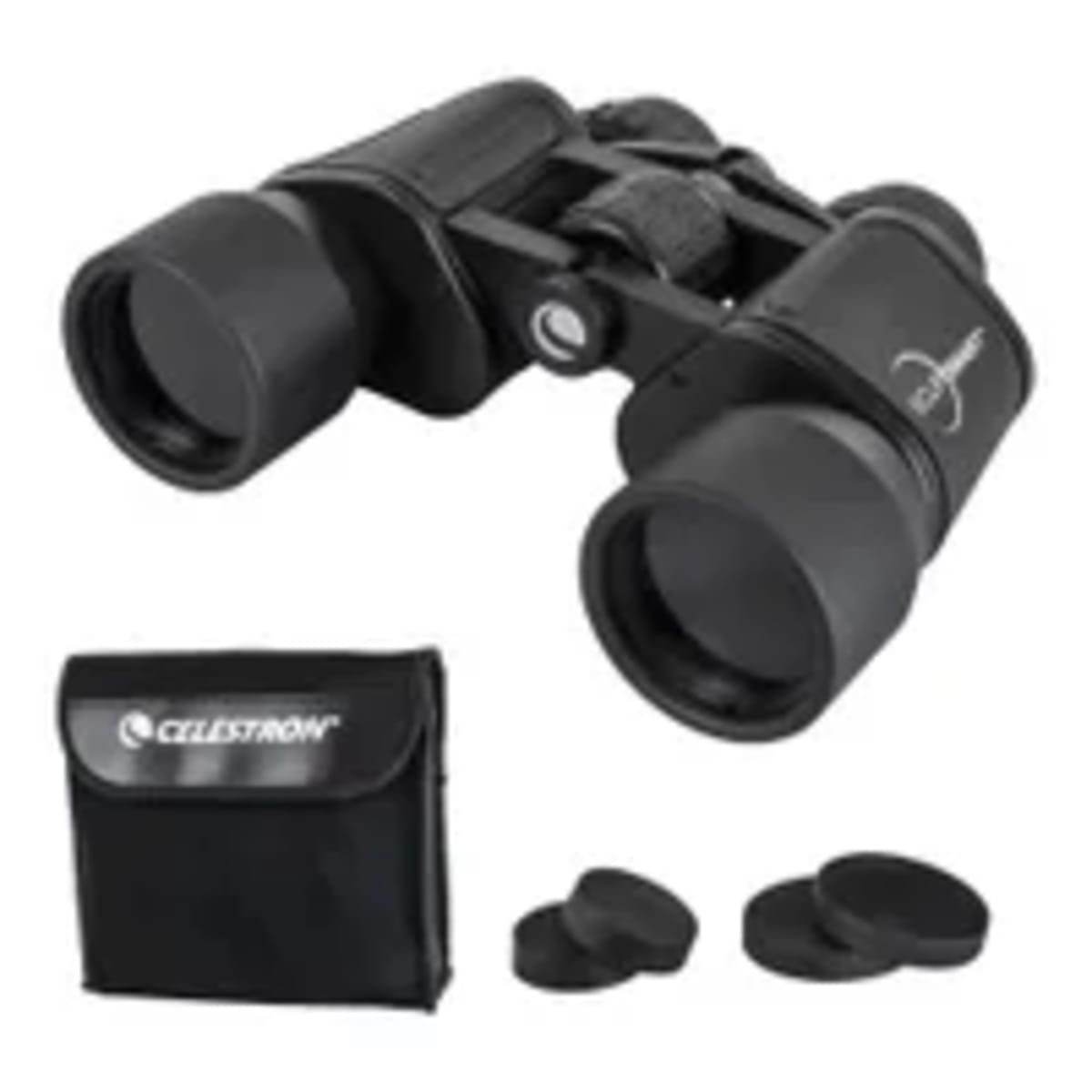
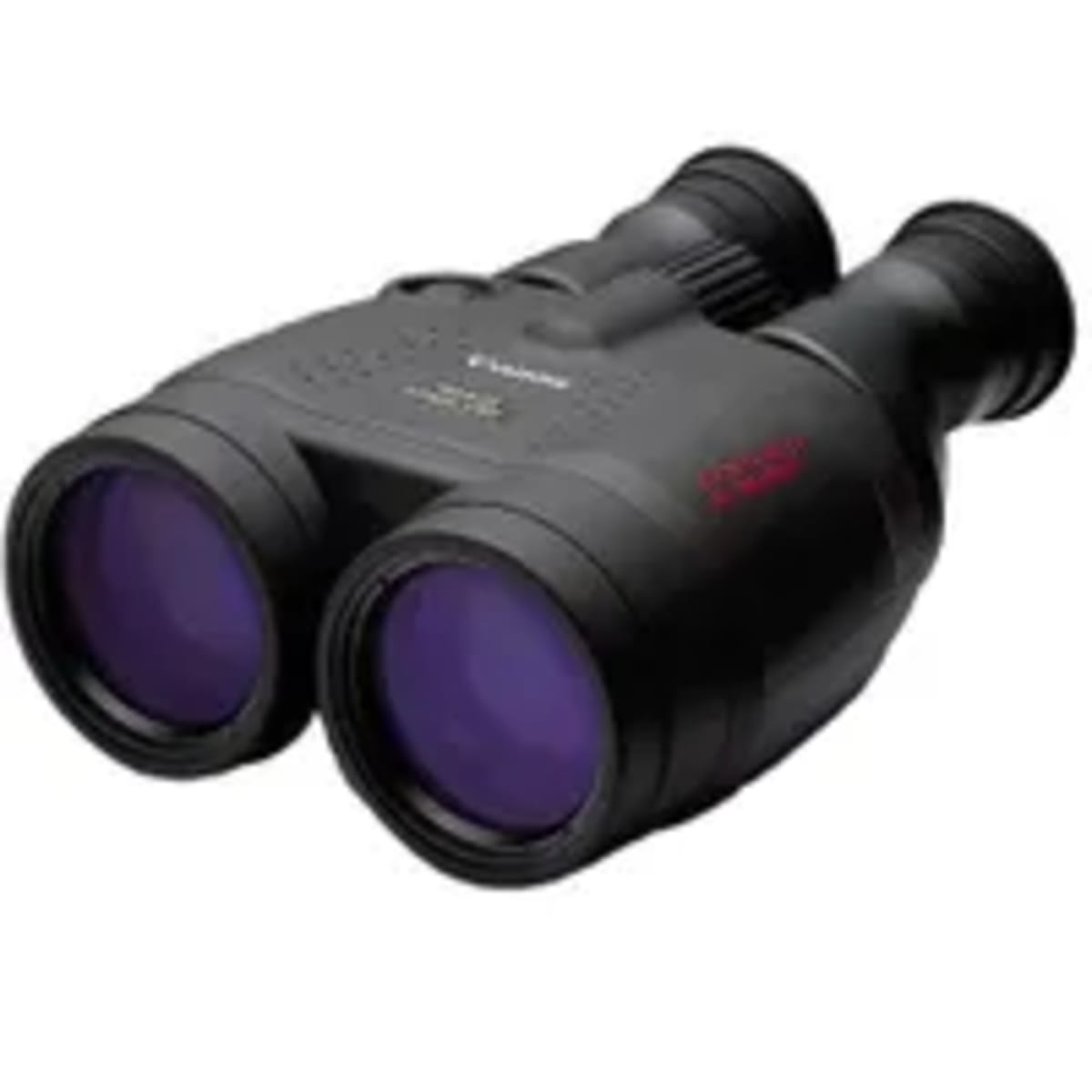
For those wanting a closer look, solar binoculars reveal sunspots and the changing crescent shape during the partial phases. Image-stabilized binoculars can capture stunning details of the sun's corona during totality. Smart telescopes and portable hydrogen-alpha solar scopes open up even deeper views of our star.
The meteor shower requires even less preparation. A reclining chair, a sleeping bag, and patience are all you need. Stargazing tents with mesh walls let viewers stay comfortable while watching shooting stars streak overhead for hours.
Experts recommend arriving at viewing locations well before the eclipse begins and staying until after midnight to catch the meteor shower at its best. Many observers are already planning 12-hour sky-watching marathons to experience everything this special day offers.
August 12, 2026, proves that sometimes the universe delivers perfect timing, giving us two reasons to look up on the same unforgettable day.
More Images

Based on reporting by Live Science
This story was written by BrightWire based on verified news reports.
Spread the positivity!
Share this good news with someone who needs it
%2Fhttps%3A%2F%2Ftf-cmsv2-smithsonianmag-media.s3.amazonaws.com%2Ffiler_public%2Ff0%2Ffe%2Ff0fe19e4-e68b-474d-b0a4-19c5beb9d19d%2Fspeedy-star.webp)