Aussies Ditch Cars for Bikes as Fuel Hits $2 a Litre
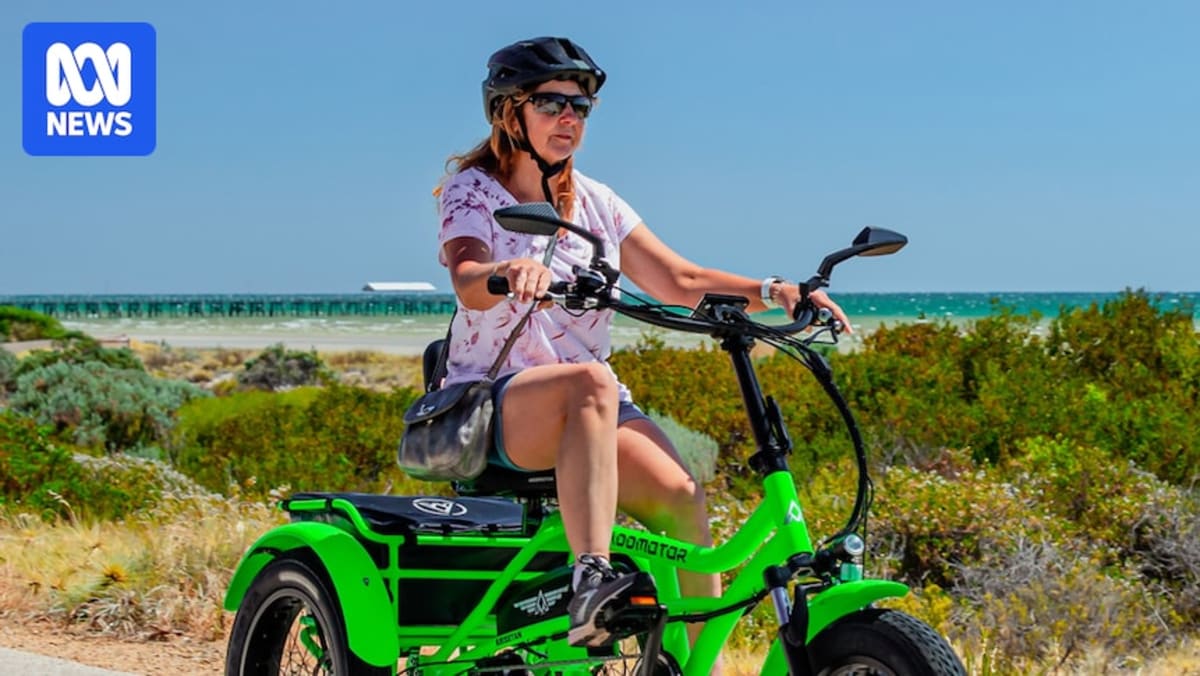
Australians are dusting off old bikes and buying tricycles as fuel prices surge, giving bike shops their busiest weeks since COVID. The shift is cutting costs, boosting health, and easing traffic congestion across the country.
Bike shops across Australia are buzzing with activity as soaring fuel prices turn cycling from a weekend hobby into a daily money-saver.
With unleaded petrol now above $2 a litre, Australians are rediscovering a simple solution gathering dust in their sheds. Bike repair workshops are fielding repair requests reminiscent of the COVID cycling boom, while tricycle sales have jumped 40 percent in just three weeks.
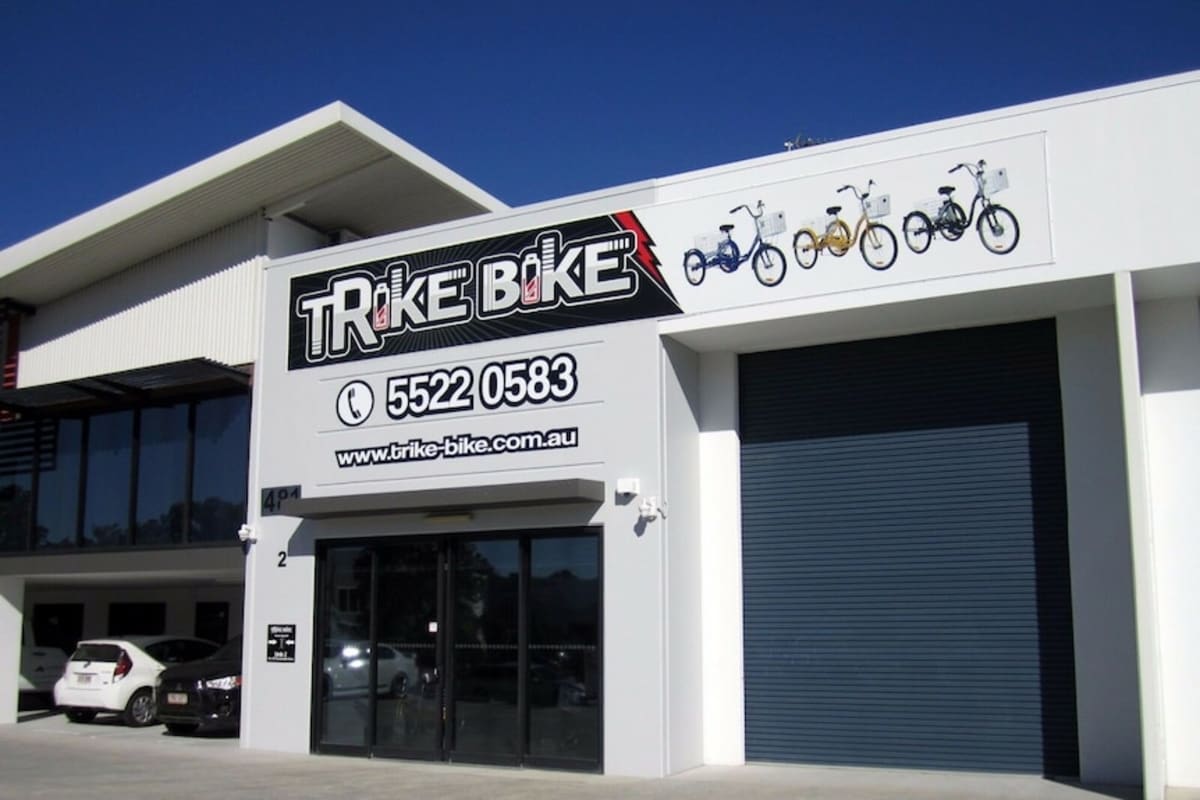
Michael Coates, founder of Trike Bike Australia, has watched orders double as retirees swap their cars for electric tricycles. His customers, many over 60, are using trikes for grocery runs and errands that once required driving.
"They're the ones that are really frugal with their spending," Coates said. "If they can see an opportunity to get rid of the car and get rid of the high petrol costs, then they'll take it."
The trend extends beyond new purchases. Velo Cycles in Carlton North is seeing customers bring in bikes that haven't rolled in a decade. General manager Stuart Armstrong says the rush feels just like the pandemic cycling surge.
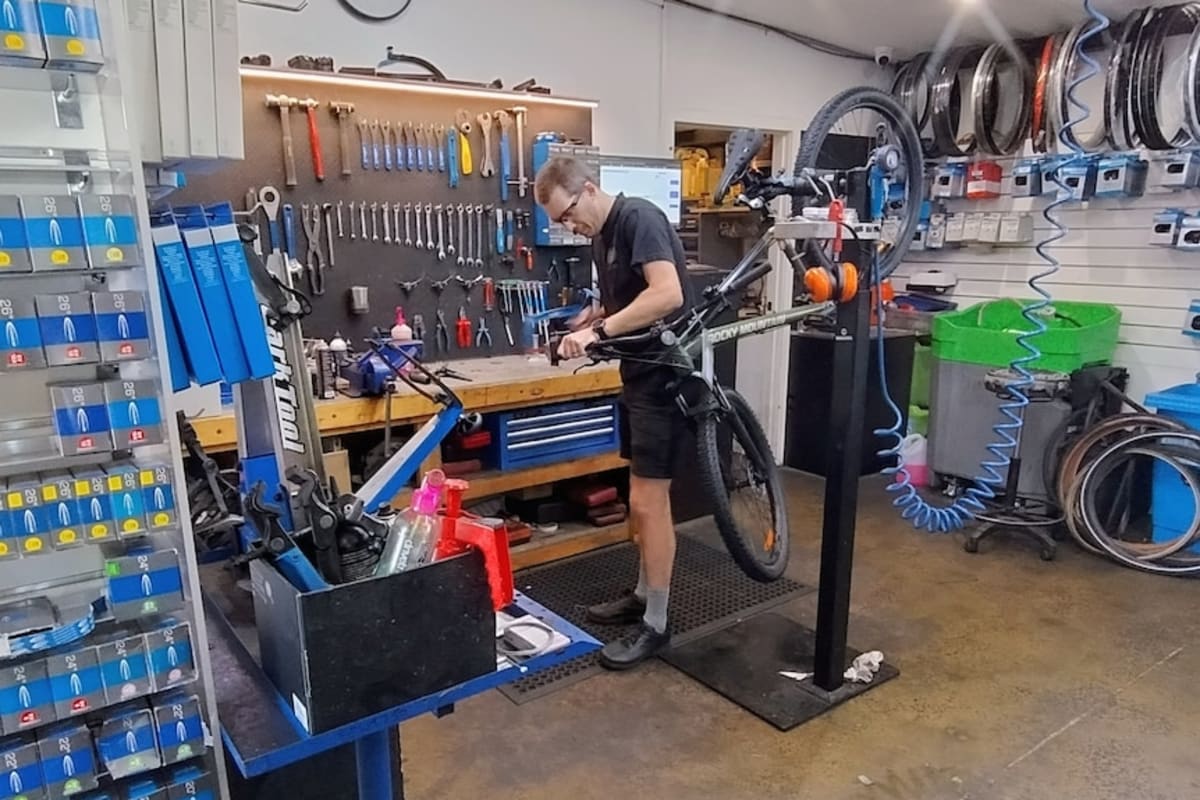
In Brunswick, Samson Cycles owner Ryan Billszta reports workshop bookings climbing as people choose repairs over new purchases. Cost-conscious cyclists are investing modest amounts to get their existing bikes road-ready rather than buying new models.
Former Olympian Brett Lancaster, who runs Leading Edge Cycles in Shepparton, confirms the pattern extends beyond big cities. People are calculating their commute distances and realizing two wheels beat four when fuel costs bite.
The Ripple Effect
The cycling surge delivers benefits that extend far beyond individual wallets. Bicycle Industry Australia represents over 100 businesses nationwide, and they're hearing consistent reports of increased demand across the country.
General manager Peter Bourke points to health improvements, reduced road congestion, lower emissions, less noise pollution, and fewer car accidents. Each person who chooses pedals over pistons creates positive ripples through their entire community.
The workshop boom particularly excites industry observers because it suggests lasting change. People aren't just buying bikes on impulse; they're maintaining existing ones and building cycling into their daily routines.
What started as a response to expensive fuel is becoming a rediscovery of simpler, healthier transport that benefits everyone who shares the road.
More Images


Based on reporting by ABC Australia
This story was written by BrightWire based on verified news reports.
Spread the positivity!
Share this good news with someone who needs it