Australia Creates Blueprint to Revive Textile Manufacturing
Australia's science agency has created a roadmap to bring back spinning mills, the missing link in the country's clothing supply chain that vanished 40 years ago. The move could transform raw Australian cotton and wool into finished garments entirely on home soil.
For the first time in four decades, Australia has a clear path to making clothes from farm to closet without leaving the country.
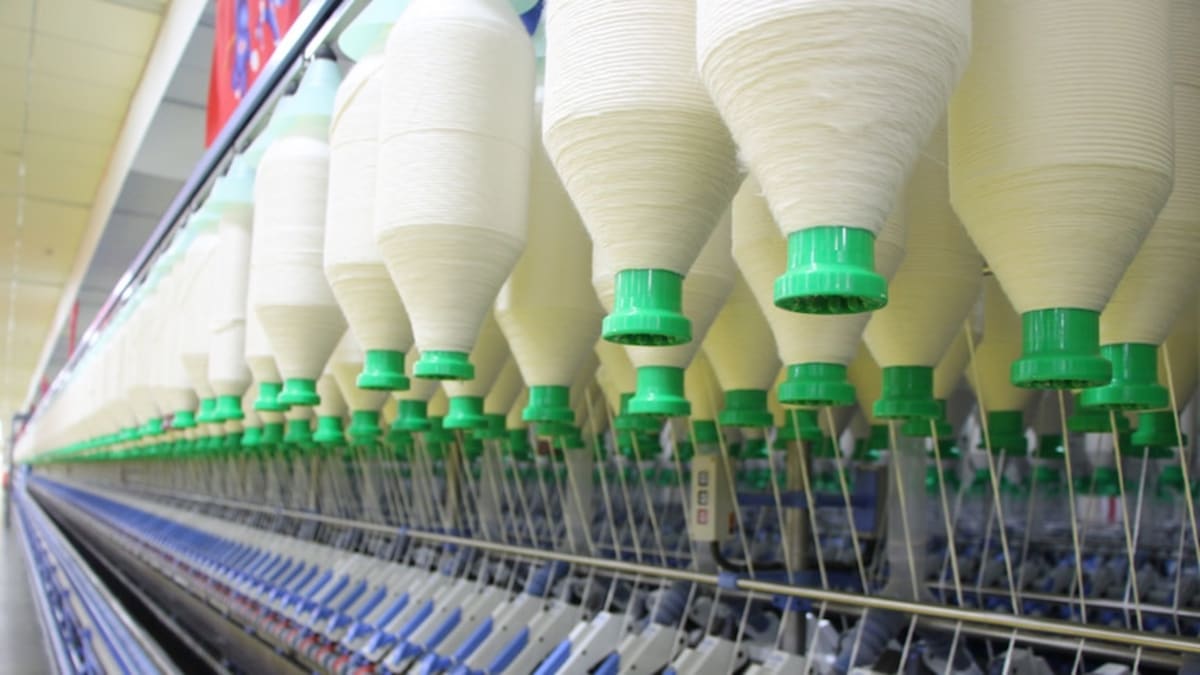
The CSIRO has released a feasibility study that gives manufacturers a step-by-step template for rebuilding spinning mills. These factories transform raw cotton and wool into yarn and thread, a crucial step that completely disappeared from Australia in the 1980s.
Right now, Australia grows world-class cotton and wool, then ships it overseas to countries like China for spinning. The finished yarn comes back to make clothing, meaning jobs and value stay offshore.
"The industry is very clear they want the capability to take our Australian-grown cotton and wool all the way from farm to finished garment here," said Sam Delgos, chief executive of the Australian Fashion Council. "Every stage of that process that we're not doing in Australia is values, jobs and traceability that we're handing over to another country."
The study, funded by the cotton industry and federal government, identifies specific locations where mills could work best. Toowoomba, Brisbane, Narrabri, Dubbo, Sydney and Melbourne all made the list based on proximity to raw materials and manufacturers.
What changed to make this possible? Technology has transformed spinning mills into highly automated operations that need minimal labor. The main cost now is electricity, and as energy prices shift, the economics look increasingly favorable.
The Ripple Effect
Bringing back spinning mills would create ripples far beyond the factory floor. Australian wool company Michell Wool currently has no choice but to send shorter wool fibers overseas for processing. Domestic spinning would let them supply local manufacturers and open export opportunities to sell Australian yarn globally.
The fashion industry has already released its own national manufacturing strategy calling for complete domestic capability. They see value in controlling quality, ensuring ethical production, and keeping expertise in Australian hands.
Cotton Australia chief executive Adam Kay points to automation as the game changer. "Spinning mills, they're all automated, there's very little labour now," he said. "The key thing is the energy costs to run the mill."
But the industry needs one critical ingredient before companies invest: guaranteed demand. Fashion leaders are calling on the Australian government, the nation's largest uniform purchaser, to commit to buying Australian-made. Defense apparel and government uniforms alone could create the certainty manufacturers need to take the leap.
The blueprint is ready, the technology exists, and the raw materials are already here. Australia's path back to self-sufficient clothing manufacturing just got a whole lot clearer.
More Images



Based on reporting by ABC Australia
This story was written by BrightWire based on verified news reports.
Spread the positivity!
Share this good news with someone who needs it