Australian Town Raises $170K for MND Research Breakthrough
A small Queensland community funded Australia's first TMS machine for motor neurone disease research, turning heartbreak into hope. Early detection could change everything for future patients.
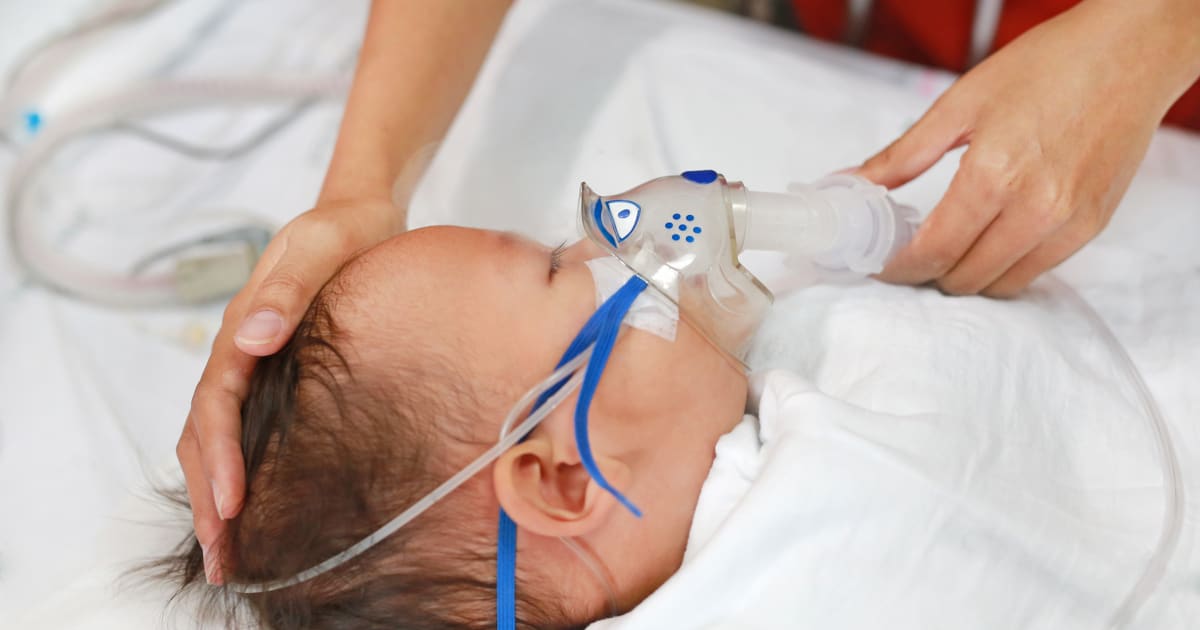
When Natalie Verdouw learned she had motor neurone disease in January 2025, doctors told her there was no cure and no treatment. But in her hometown of Toowoomba, Australia, something remarkable was already brewing.
The former executive watched her independence slip away as MND progressed. She lost her ability to ride motorcycles, tend her garden, and eventually her speech deteriorated. "I call MND the disease of hopelessness because no matter what you do, the disease will prevail," she said.
Then her community decided hopelessness wasn't good enough.
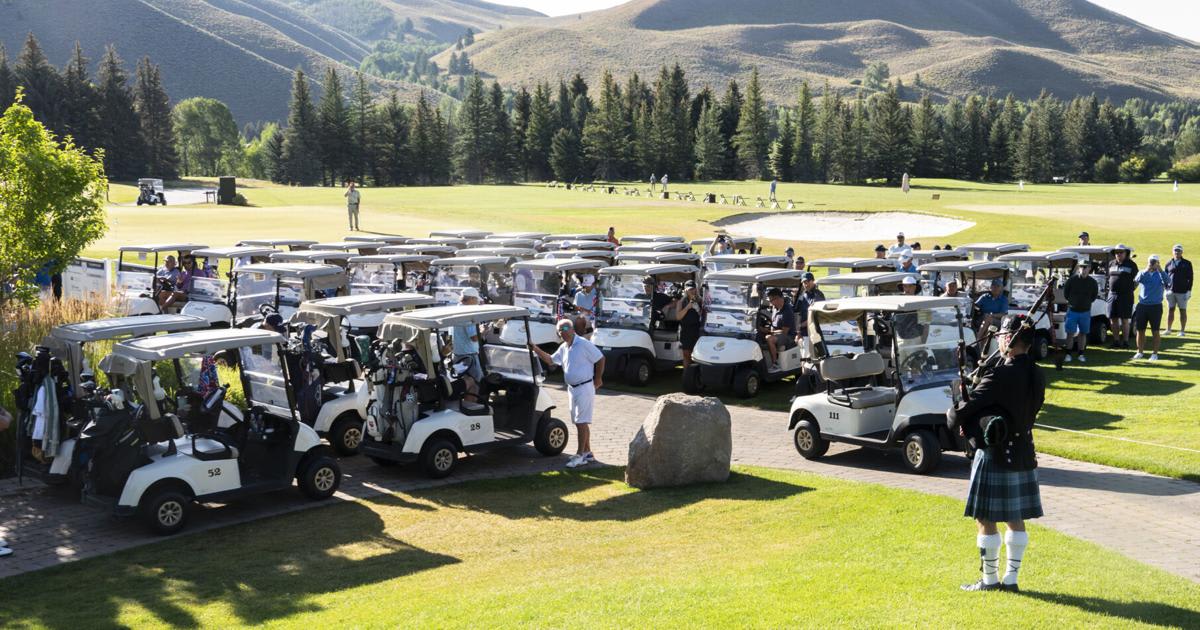
Local families touched by MND and muscular dystrophy organized a fundraising lunch last year. They raised $170,000 in a single event to buy a transcranial magnetic stimulation machine for research. One anonymous donor facing a terminal MND misdiagnosis contributed $100 with a note saying the project gave her hope for future patients.
The $175,000 TMS machine is now the first of its kind used for neurology research in Queensland. It will help researchers detect MND earlier by measuring changes in motor neurone function, something previously impossible in the state.
Dr. Ehsan Shandiz, the neurologist leading the study, praised the unprecedented community effort. "What we do as researchers is provide information to understand the disorder better, and that will help provide treatment at some stage," he said.
Early detection matters enormously because MND is notoriously difficult to diagnose. Dr. Robert Henderson, who has studied the disease for 25 years, calls this research "an important piece of the puzzle." There's no simple test like a biopsy, and misdiagnoses often delay care during crucial early stages.
The Ripple Effect
The lunch honored Lex Bailey, a beloved Toowoomba businessman who died in 2024 just six months after his MND diagnosis. His daughter Amelia organized the event, determined that her father's legacy would mean others "won't walk this path alone."
Matt Butler knows that feeling. When he was diagnosed with muscular dystrophy in 2019, he had no hope either. But community fundraising through the Nerve Connection Foundation put him in a clinical trial that's now showing positive results. He became an ambassador, helping organize the lunch that funded the MND research.
Researchers are now recruiting participants for the longitudinal study, including healthy volunteers. Verdouw, who previously traveled to Brisbane for research participation, welcomes having cutting-edge work in her hometown.
"Hope is incredibly important," she said. "Without hope, life doesn't have quality."
More Images


Based on reporting by ABC Australia
This story was written by BrightWire based on verified news reports.
Spread the positivity!
Share this good news with someone who needs it