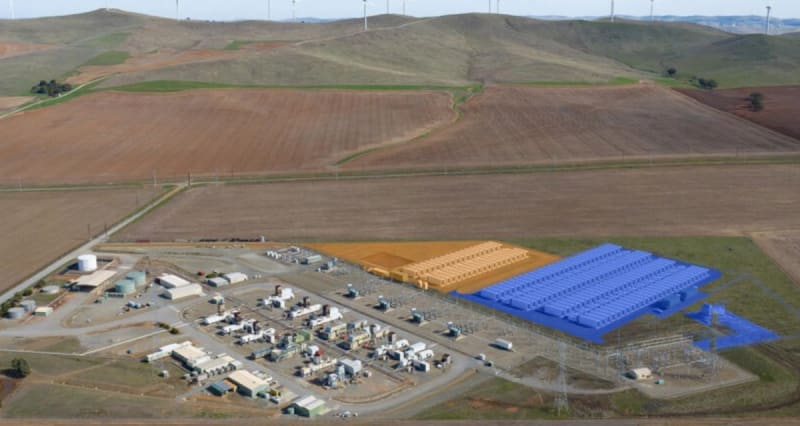
Australia's 50 MW Hallett Battery Breaks Ground in 2026
A massive battery project in South Australia just secured funding and will soon power thousands of homes with clean energy storage. The smart twist? It's being built at an existing power station site, proving that going green can also mean going practical.
Australia just took a major step toward reliable renewable energy with a battery big enough to power a small city.
EnergyAustralia announced that its Hallett battery storage project has secured full funding and will begin construction in mid-2026. Located 210 kilometers north of Adelaide, the facility will store enough electricity to power homes for five hours when the sun isn't shining or the wind isn't blowing.
The first phase will deliver 50 megawatts of power with 245 megawatt-hours of storage capacity. Once the second phase is complete, the battery will triple in size to 200 megawatts with 845 megawatt-hours of total storage.
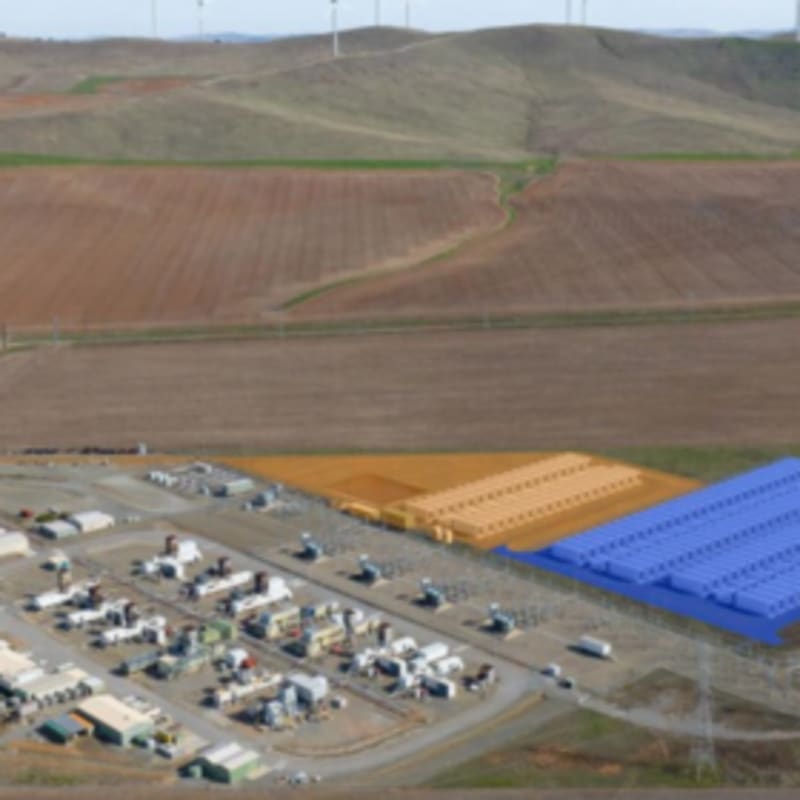
What makes this project special is its location. Instead of building on virgin land, EnergyAustralia is placing the battery alongside an existing gas power station. The infrastructure, roads, and grid connections are already there.
Daniel Nugent from EnergyAustralia explained that this approach supports local jobs while strengthening the power grid. The project moved from initial concept to approved investment in under two years, showing that smart planning can speed up the clean energy transition.
Two companies will bring the project to life. Italian firm NHOA Energy will provide the batteries and inverters. South Australian company Enerven will handle construction, bringing employment opportunities to the region.
The Ripple Effect
This battery represents more than just stored electricity. It's a blueprint for how countries can upgrade their energy systems without starting from scratch every time.
South Australia has been leading Australia's renewable energy transformation for years. The state already generates significant power from wind and solar, but batteries solve the crucial problem of keeping lights on after sunset.
The project received backing through Australia's Capacity Investment Scheme, a government program designed to accelerate clean energy infrastructure. Commercial operation is expected by mid-2027, meaning homes and businesses will benefit in just over two years.
By using existing sites and local contractors, Hallett shows that the energy transition can create regional jobs while reducing emissions. Other power companies across Australia and beyond are watching closely, looking for similar opportunities at their own facilities.
The fastest path to clean energy might not require building everything new, just building smart where infrastructure already exists.
More Images
Based on reporting by PV Magazine
This story was written by BrightWire based on verified news reports.
Spread the positivity!
Share this good news with someone who needs it