Austria Passes Law to Fast-Track Clean Energy Projects
Austria just approved a sweeping new law that will speed up renewable energy projects across the country, joining Sweden and Germany as Europe's sustainability leaders. The move could transform everything from airports to hotels while making the country more attractive to eco-conscious travelers.
Austria just took a major leap forward in the race to build a cleaner, greener Europe. Lawmakers approved an ambitious renewable energy law designed to fast-track solar and wind projects, modernize the country's power grid, and strengthen energy security for years to come.
The new legislation puts Austria alongside Sweden, the Netherlands, Germany, and France as one of Europe's sustainability frontrunners. By simplifying approval processes and setting higher clean energy targets for 2030, the country is betting that its tourism future depends on more than beautiful Alpine views.
The timing matters because travelers increasingly choose destinations based on environmental performance. Hotels, airports, rail networks, and tourist attractions all need reliable, clean electricity to meet both visitor demand and carbon reduction goals.
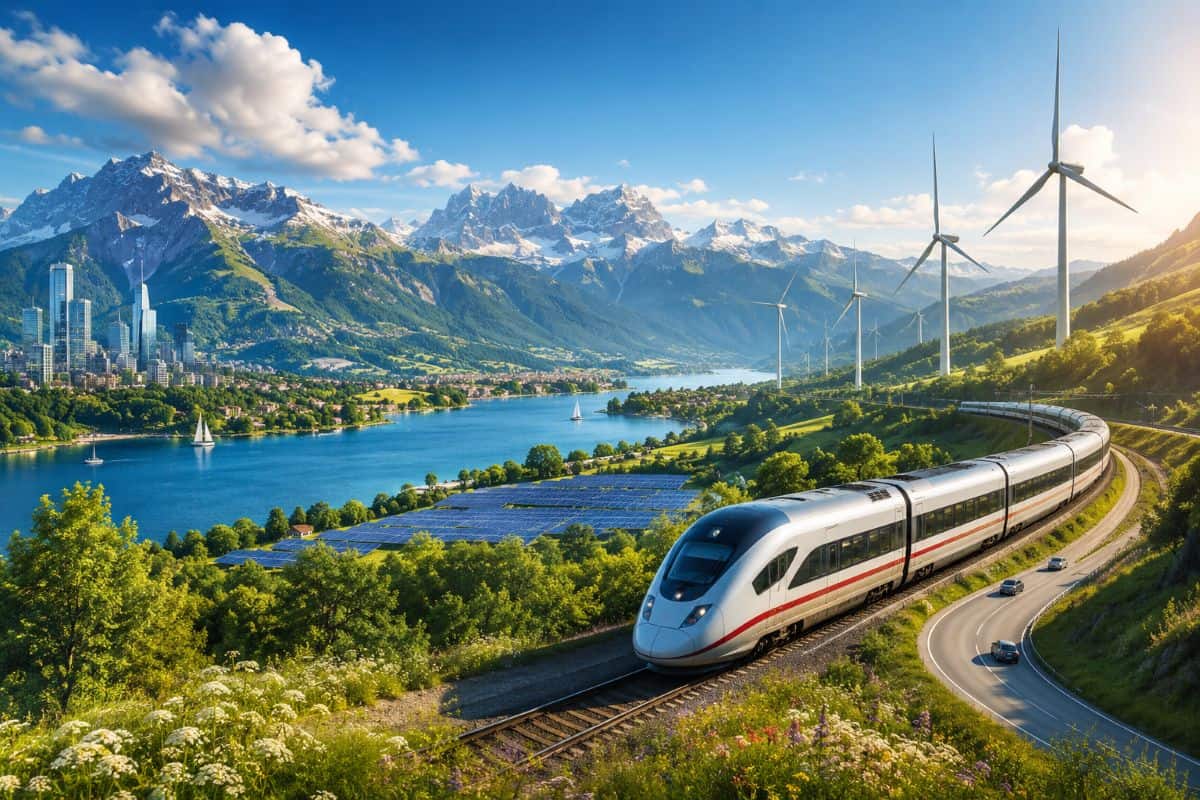
Under the new law, renewable energy projects will face fewer regulatory hurdles and faster approval timelines. That means more solar panels, wind turbines, and modernized infrastructure capable of powering everything from electric trains to convention centers without the carbon footprint.
For Austria's tourism industry, the benefits extend beyond marketing bragging rights. Airports can reduce operational emissions. Rail operators can expand electrified routes. Hotels can power their facilities with locally generated clean energy. All of these improvements make the destination more competitive as sustainability becomes a core factor in travel decisions.
The policy also signals economic opportunity. Investment in green infrastructure creates jobs while supporting the visitor economy that millions of travelers depend on. Tourism boards across Europe are watching closely as destinations compete not just on culture and scenery, but on climate credentials.
The Ripple Effect
Austria's move reflects a broader shift happening across the continent. European nations are realizing that sustainable infrastructure isn't just an environmental necessity but an economic advantage. As renewable energy capacity grows, entire regions become more resilient to energy shocks while reducing their impact on the planet.
The law could inspire similar action in neighboring countries still debating how to balance tourism growth with climate goals. When travelers reward destinations that prioritize sustainability, other nations take notice.
Austria's renewable energy acceleration proves that environmental progress and economic growth don't have to compete. By 2030, visitors to Vienna or Salzburg may power their hotel stays with Austrian sunshine and Alpine wind, experiencing world-class travel with a fraction of the environmental cost.
Based on reporting by Google News - Sweden Renewable
This story was written by BrightWire based on verified news reports.
Spread the positivity!
Share this good news with someone who needs it