Austrian Highway Protest Succeeds Without Major Disruption
Thousands of Austrians blocked a major European highway to demand cleaner air and quieter neighborhoods, and traffic flowed better than anyone expected. The peaceful eight-hour demonstration is pushing forward long-stalled plans for underground rail freight that could transform Alpine transit.
When thousands of protesters shut down one of Europe's busiest highways last Saturday, officials braced for traffic chaos that never came.
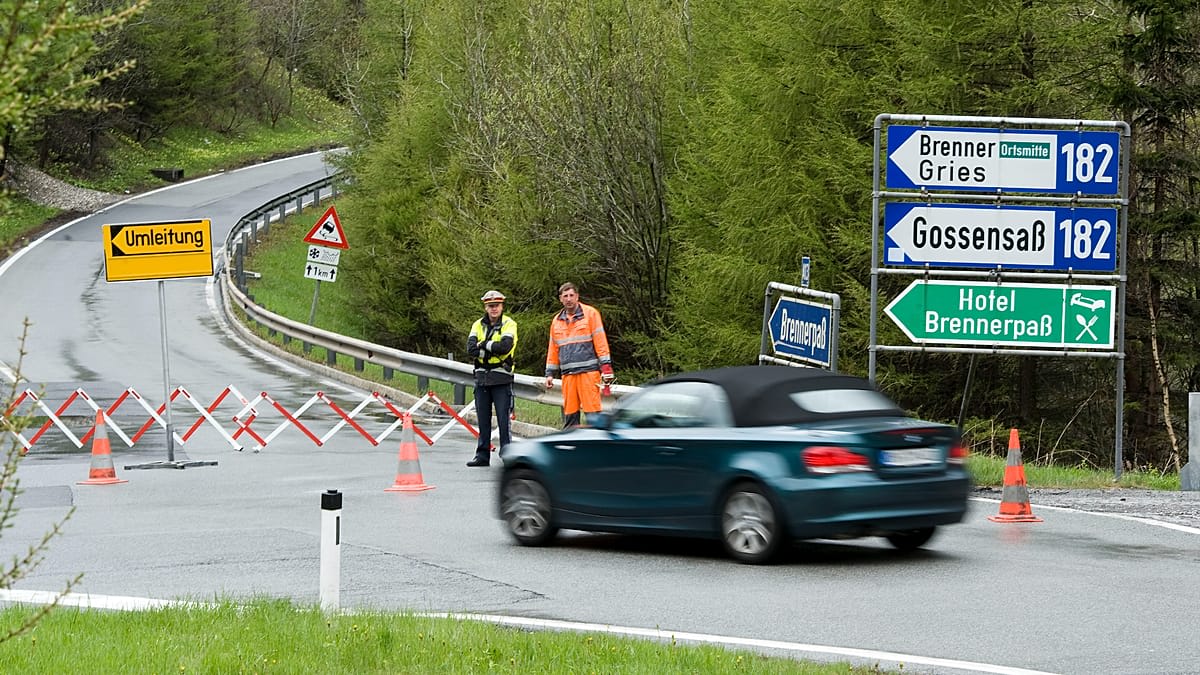
Residents from Austria's Tyrol province blocked the Brenner motorway between Germany and Italy for eight hours to protest worsening air pollution and noise from endless truck traffic. Early reports showed traffic disruptions were far lighter than feared, proving their point could be made without creating the gridlock many predicted.
The Brenner Pass connects northern and southern Europe through the Alps, and the Austrian stretch has become a growing burden for local communities. Truck traffic has more than doubled since 2000, with 2.5 million heavy vehicles rumbling through last year alone alongside nearly 11 million cars.
"This has been an issue for a very, very long time," said Karl Muehlsteiger, mayor of Gries am Brenner and protest organizer. He told reporters that pollution, noise, and traffic jams are "no longer manageable for the population, no longer bearable."
The demonstration landed on one of southern Germany's busiest travel days, with authorities closing the highway and surrounding roads from 11:00 am to 7:00 pm. Police deployed hundreds of officers and banned unauthorized exits on nearby motorways, directing drivers to alternative routes through Switzerland and other Alpine passes.
The Bright Side
The protest is already accelerating conversations that have dragged on for years. Bavaria's transport minister Christian Bernreiter supports a "Brenner north access route," an underground rail line from Munich to Innsbruck designed to move freight off roads and onto tracks while preserving the mountain landscape.
The project has progressed slowly because Germany's Bundestag hasn't finalized the exact route. But Mayor Muehlsteiger's message to Brussels and Vienna is forcing action, with local leaders now calling for Bavaria to actively involve affected communities in planning.
Bernreiter also backs a flexible toll system where freight charges rise during peak hours and drop during quieter periods, creating financial incentives to spread traffic more evenly throughout the day.
The protest showed that communities can make their voices heard without creating the chaos officials predicted. Several thousand people gathered peacefully to demand change, motorists found alternative routes that kept goods moving, and the message reached the political leaders who can actually solve the problem.
Now those leaders have a clear mandate to turn years of talk into real infrastructure that will benefit both Alpine communities and the millions who depend on trans-European freight routes.
Based on reporting by Euronews
This story was written by BrightWire based on verified news reports.
Spread the positivity!
Share this good news with someone who needs it