Avalanche Survivor Discovers Wales' First Sea Dragon Fossil
A man buried alive in snow for 20 minutes found healing in fossil hunting and unearthed a 201-million-year-old marine reptile. Matthew Myerscough's discovery proves that life's hardest moments can redirect us toward unexpected purpose.
Matthew Myerscough spent 20 minutes unconscious under a meter of avalanche snow in 2014, and the trauma changed everything. The civil engineer survived the burial on Wales' Snowdon mountain, but returning to climbing never felt the same.
Post-traumatic stress followed him down from the peaks. The mountains that once thrilled him now triggered anxiety, and Myerscough needed a new way to connect with nature.
He found it at Lavernock Point, where the Vale of Glamorgan's beaches hide prehistoric treasures in limestone. Fossil hunting offered something mountaineering couldn't anymore: a slow, mindful pursuit that kept him grounded in the present moment.
The careful observation required to spot unusual shapes in rocks became therapeutic. Myerscough compared it to the focus found in meditation or sport, where the present moment matters more than past trauma.
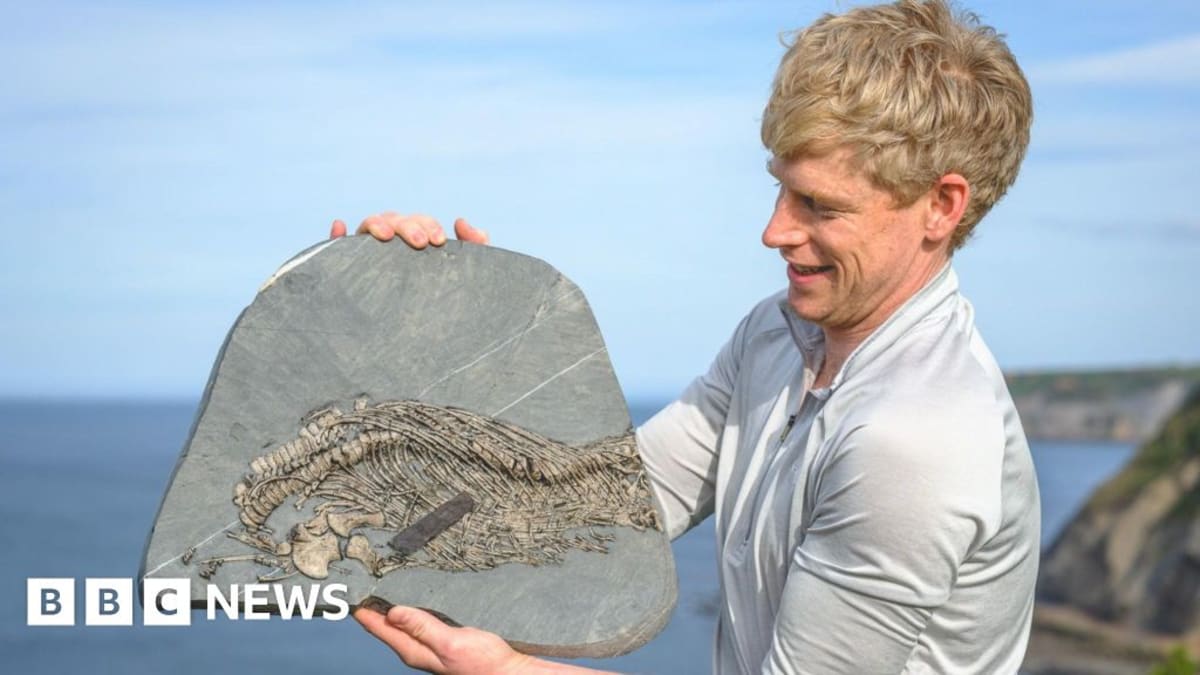
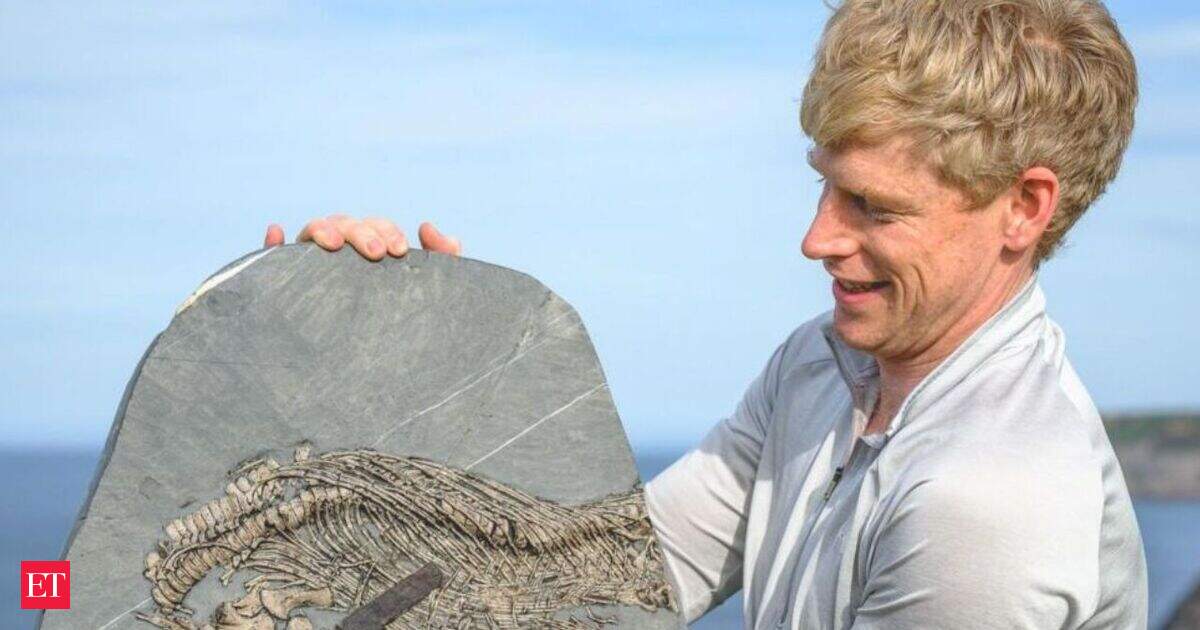
During one beach outing with two fellow fossil hunters, Myerscough spotted what looked like an odd rock embedded in limestone. Experts at the National Museum Cardiff confirmed what he'd found: part of a rhomaleosaurus jaw, a massive marine predator from 201 million years ago.
The discovery made history as Wales' first known sea dragon fossil. This Jurassic period marine reptile once ruled ancient seas, and now an amateur enthusiast had brought it back to light.
Why This Inspires
Myerscough's journey shows how adversity can unlock hidden talents we never knew we had. He went from fighting for survival under snow to uncovering prehistoric life, proving that healing takes unexpected forms.
His discovery also challenges the idea that major scientific finds only happen in universities or funded expeditions. Armed with just a hand lens and sturdy boots, amateur enthusiasts can still make contributions that advance our understanding of Earth's history.
Myerscough wrote about his experience in "In Search of Sea Dragons: A Fossil Hunter's Odyssey," focusing not just on the triumphant moment but on the patient, uncertain journey. He wants others to know that fossil hunting is accessible to anyone willing to look closely at rocks.
Lavernock Point has become a destination for families and amateur collectors seeking plesiosaurs, ichthyosaurs, and ancient shark remains. The coastline offers a window into prehistoric marine life without requiring advanced degrees or expensive equipment.
For someone who once measured adventure in vertical feet climbed, Myerscough now finds it in millimeters of exposed stone. His story proves that when one path closes, another often opens if we're willing to look down instead of only up.
More Images

Based on reporting by Google: survivor story
This story was written by BrightWire based on verified news reports.
Spread the positivity!
Share this good news with someone who needs it