Avalanche Survivor Finds Rare 'Sea Dragon' Fossil in Wales
A mountaineer who nearly died in an avalanche turned to fossil hunting for healing and discovered a 201-million-year-old marine reptile never before found in Wales. His find is helping scientists learn more about ancient sea life while showing how nature can mend broken spirits.
Matthew Myerscough spent 20 minutes buried under a meter of snow on Snowdon mountain in 2014, an experience that left him with PTSD and changed his life forever. But what started as trauma eventually led him to beaches instead of peaks, where he made a discovery that's rewriting Welsh paleontology.
The civil engineer swapped mountaineering for fossil hunting at Lavernock Point in the Vale of Glamorgan. There, among the limestone and shale, he found something that helped quiet his mind while searching for ancient treasures.
"Worries or stresses kind of melt away as you're focused," Myerscough explained, comparing the meditative practice to yoga or sport. The painstaking process of scanning rocks for patterns became his path to recovery.
In 2018, he returned to Snowdon for the Dragon's Back Challenge, hiking past the exact spot where he nearly died. By then, though, his heart had shifted from mountains to shorelines.
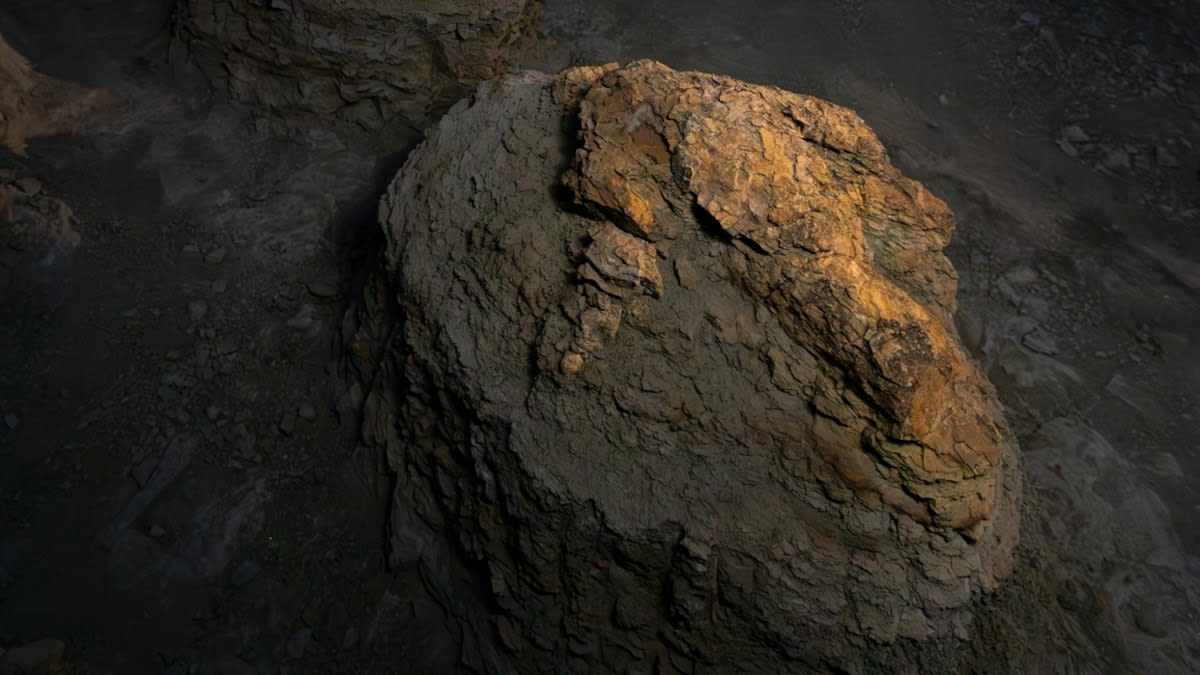
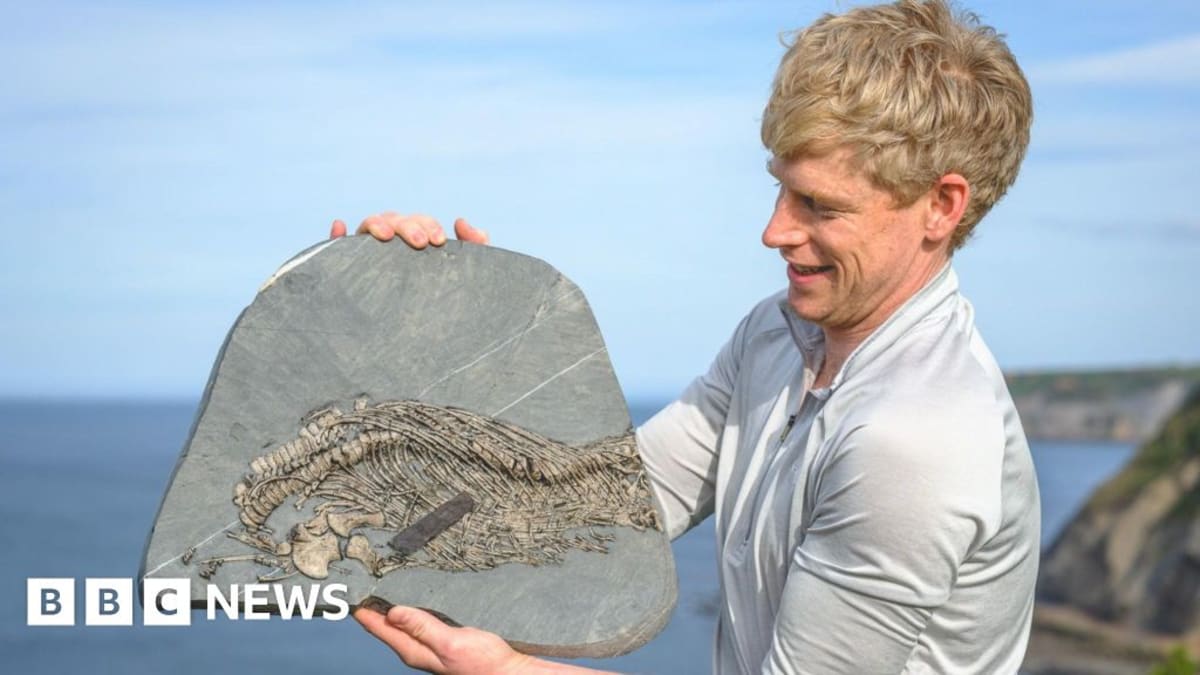
His dedication paid off in an extraordinary way. Walking away from Lavernock Point with two fellow fossil hunters, Myerscough spotted a large shape embedded in limestone that turned out to be a 201-million-year-old plesiosaur jawbone.
Experts identified it as a rhomaleosaurus, a carnivorous sea dragon from the early Jurassic period. The discovery marked the first time this species had ever been found in Wales.
Why This Inspires
Myerscough's story shows how healing rarely follows a straight path. What began as a struggle with trauma became a journey of scientific discovery that's now contributing to research at the National Museum Cardiff.
He wrote a book called "In Search of Sea Dragons: A Fossil Hunter's Odyssey" to share the actual experience of finding fossils, breaking from a tradition of secrecy in the fossil hunting community. "I wanted to put this out there and say, 'This is what I found, this is what it was like when I found it,'" he said.
The best part? Anyone can do it. Families regularly find vertebrae, ribs, and even fossilized dinosaur poo loose in the shingle at Lavernock Point.
All you need are good boots, a hand lens, strong coffee, and patience. "Every now and again, whether it's a five-year-old or a 50-year-old, somebody finds something that is scientifically important," Myerscough noted.
Sometimes the mountains we can't climb lead us to shores where ancient dragons wait to be discovered.
More Images

Based on reporting by BBC Science
This story was written by BrightWire based on verified news reports.
Spread the positivity!
Share this good news with someone who needs it