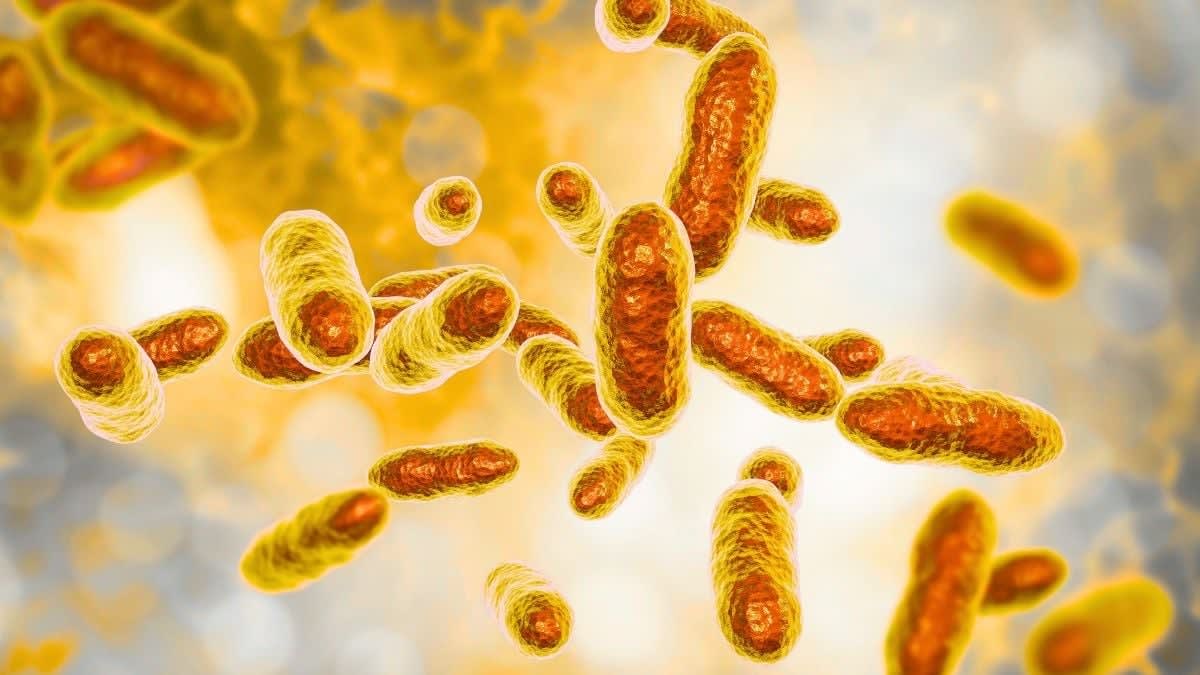
Bacteria Clean 95% of Uranium From German Mine Water
Microbes in a flooded German uranium mine are doing something remarkable: eating toxic radioactive metal and transforming it into stable compounds. Scientists say this natural cleanup crew could help solve contamination problems worldwide.
Deep inside a flooded uranium mine in Germany, tiny bacteria are performing a cleanup job that could change how we tackle radioactive contamination forever.
The Wismut GmbH Schlema-Alberoda mine operated during the Soviet era, leaving behind water so contaminated with uranium that it requires continuous treatment. But scientists at the Helmholtz-Zentrum Dresden-Rossendorf discovered that nature might already be working on a solution.
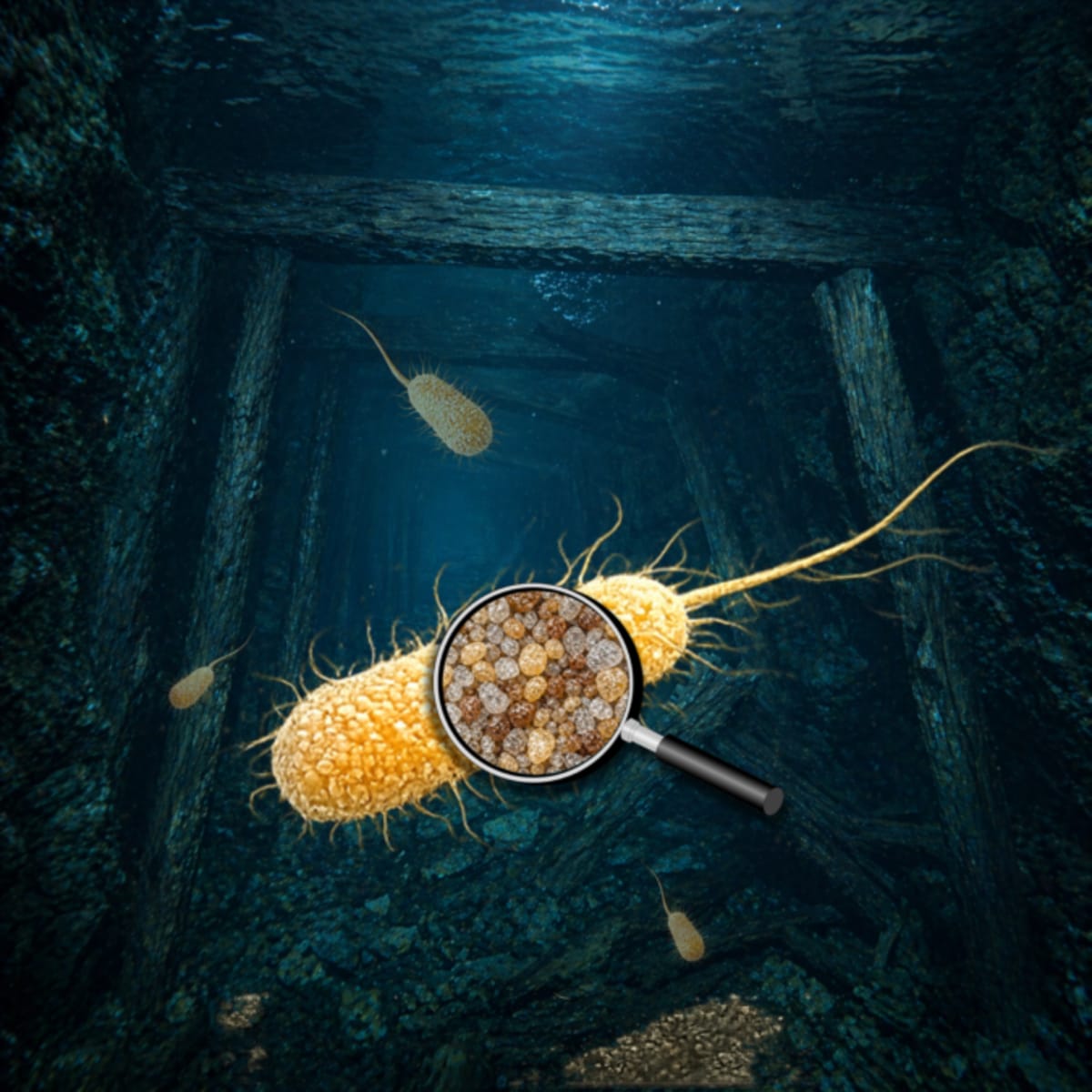
Researchers collected water samples from 2,000 meters deep in the abandoned mine, where an entire ecosystem of microbes has made the toxic environment home. When the team fed these bacteria glycerol as a food source, something extraordinary happened.
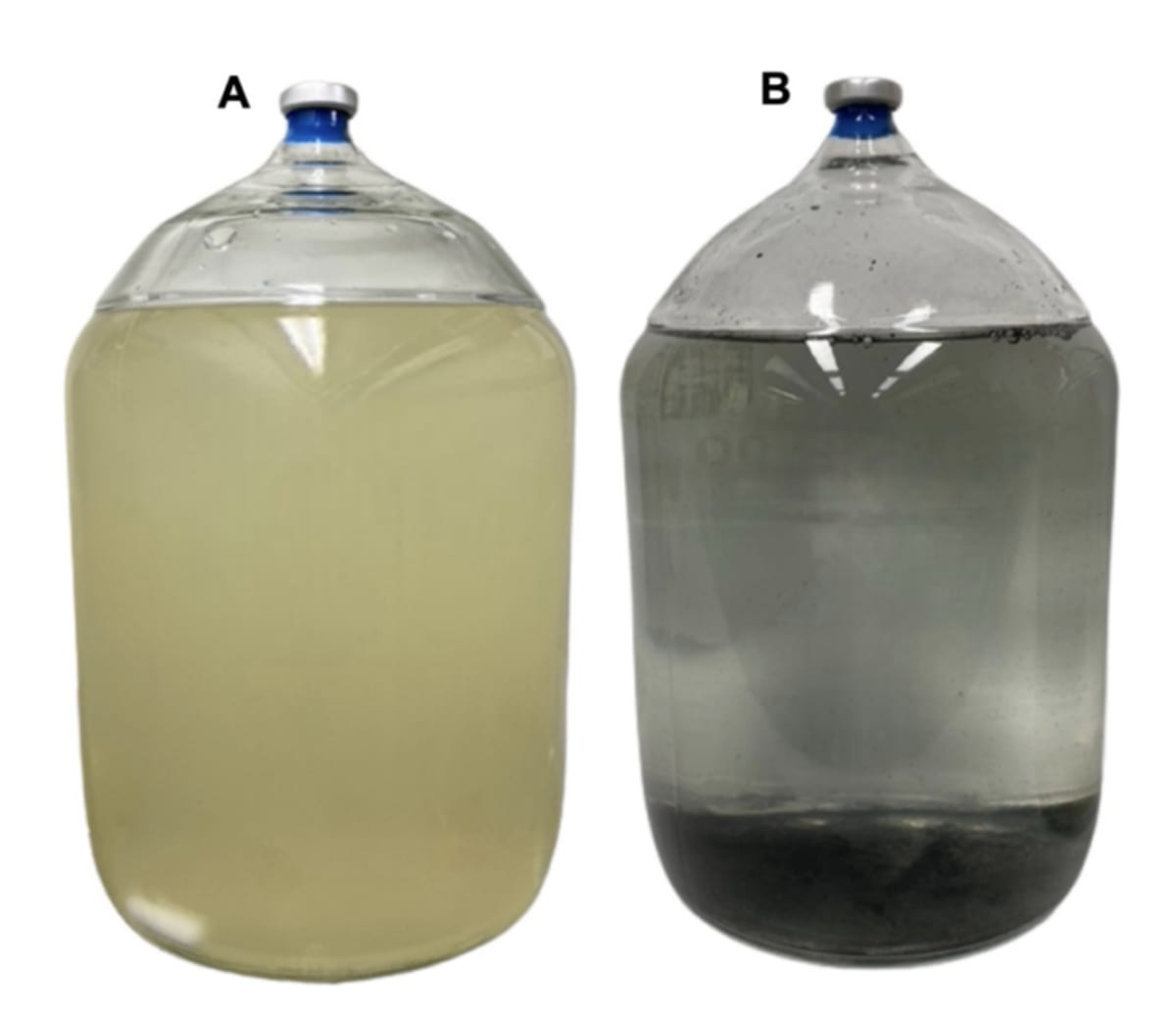
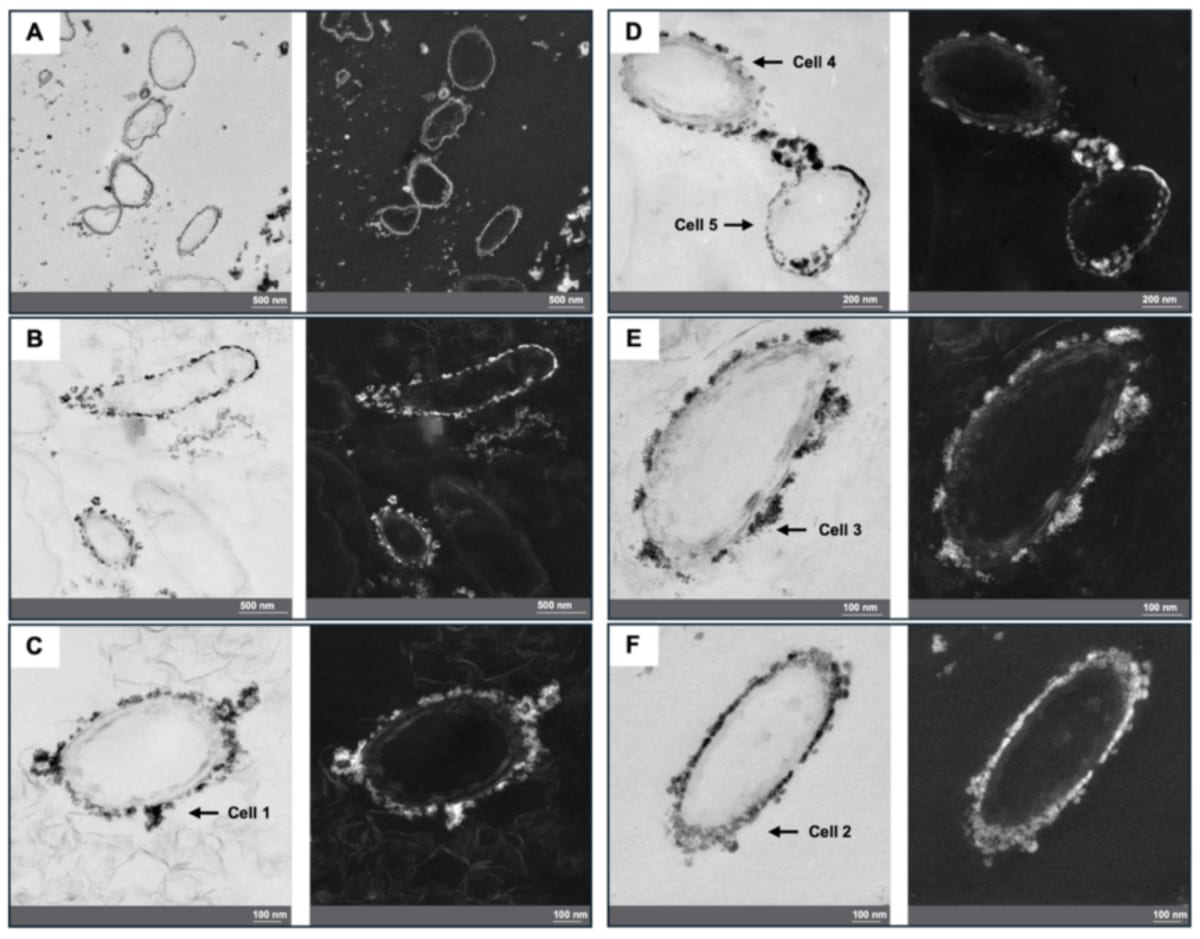
Over 130 days, the bacteria removed 95% of the uranium dissolved in the water. They didn't just absorb it. They transformed it into a rare chemical compound that locks the radioactive metal away in a stable form.
"We wanted to create natural conditions for the bacterial community already existing in the mine water," explains HZDR microbiologist Antonio Newman-Portela. The bacteria converted uranium into an unusual oxidation state called pentavalent uranium, which typically only exists briefly in nature.
The microbes then combined this uranium with iron and oxygen, creating a compound scientists knew existed but had never seen form naturally. The bacteria incorporated these uranium particles into their cell walls, where they remained stable even when dried and exposed to oxygen.
This matters far beyond one German mine. Uranium contamination affects surface water and groundwater in the United States, India, Canada, France, South Africa, and Australia. Many locations exceed safe drinking water guidelines of 0.03 milligrams per liter.
The Bright Side
Traditional cleanup methods are expensive and time-consuming, often requiring decades of chemical treatment. Bioremediation using bacteria offers a cost-effective alternative that works with nature instead of against it.
Field studies using biological methods have already demonstrated substantial uranium reduction while avoiding the creation of secondary waste sludge that physical and chemical treatments produce. The bacteria do the heavy lifting without creating new environmental problems.
Lead microbiologist Evelyn Krawczyk-Bärsch notes that more research is needed to understand how bacteria might be deployed for remediation purposes. But the discovery that these organisms naturally thrive in and clean contaminated environments opens exciting new possibilities.
The processes identified in this single German mine appear broadly applicable to other contaminated waters worldwide. What started as a toxic legacy from Cold War uranium mining may become the blueprint for cleaning up radioactive contamination across the planet.
More Images
Based on reporting by Google News - Scientists Discover
This story was written by BrightWire based on verified news reports.
Spread the positivity!
Share this good news with someone who needs it