Bahamas Aviation Platform Cuts Emissions in Real Time
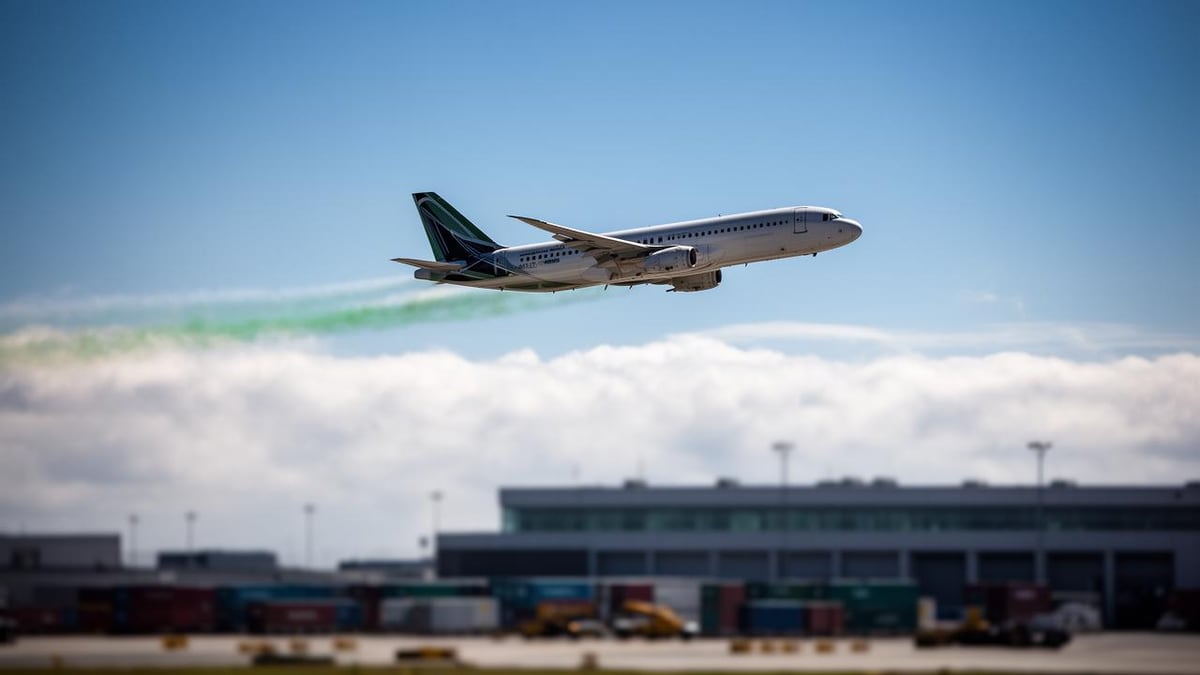
A Bahamian aviation technology is turning climate scientists' heads with a world-first platform that helps airlines reduce carbon emissions while planes are still in the air. The system uses live weather data and 3D mapping to optimize flight paths, proving small island nations can lead big climate solutions.
When climate researchers from around the world gathered in Nassau this May, they didn't expect The Bahamas to steal the show with cutting-edge aviation technology.
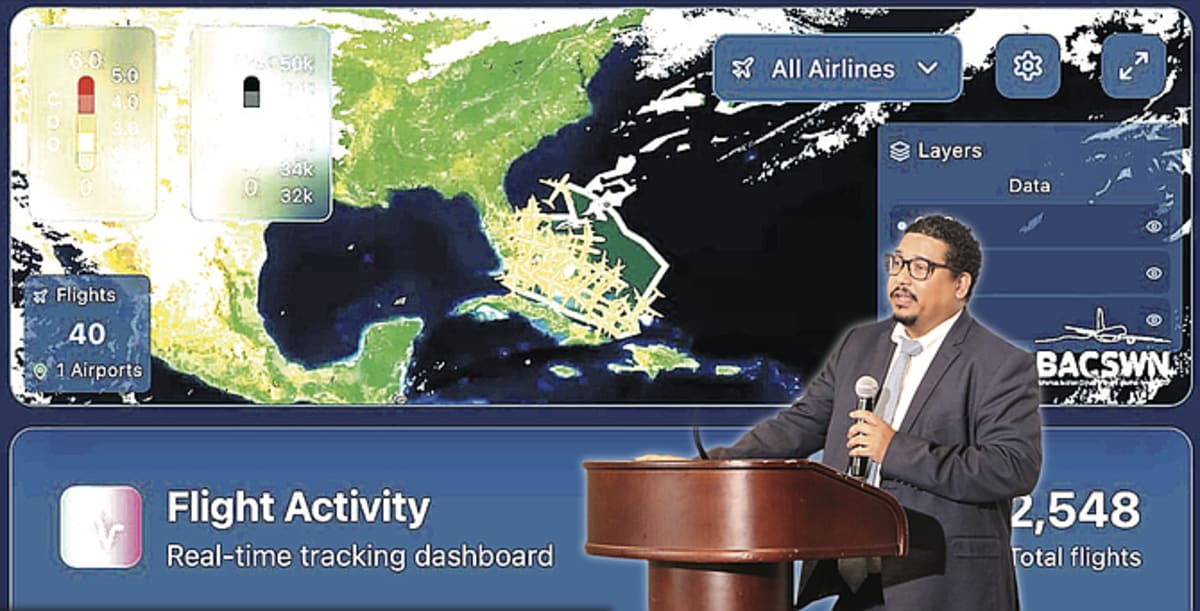
The Bahamas Aviation, Climate & Severe Weather Network (BACSWN) unveiled a carbon credit platform that does something no other system can: help airlines cut emissions in real time using live weather data and flight tracking. The technology, now fully US certified, caught the attention of top scientists at the Intergovernmental Panel on Climate Change meetings, the largest gathering of its kind ever held in the Caribbean.
Here's how it works. BACSWN's flight path intelligence software feeds real-time weather information and 3D terrain maps directly to airline dispatchers and pilots, helping them find the most fuel-efficient routes as conditions change. Every gallon of jet fuel saved means measurable carbon reductions that the platform tracks instantly.
Kisolel Lina Posanau, a climate research officer from Papua New Guinea and IPCC expert reviewer, praised the platform's potential for vulnerable island nations seeking sustainable aviation solutions. Winston Chow, a prominent Singaporean climate scientist who co-chairs an IPCC working group, acknowledged the importance of technologies that connect climate science with real operational emissions cuts.
The system builds on a $427 million agreement signed with the Bahamian government in May 2025 to create the Caribbean's first Next-Generation Aviation Weather Centre. BACSWN partnered with NOAA, Raytheon Technologies, and major weather providers to develop the technology, filing 16 patents along the way.
Quincy Rolle, CEO of Tribune Digital Labs and chief project developer, confirmed the full system is now complete after years of development. Michael Strachan, BACSWN's Chief Operating Officer, joined Rolle in demonstrating the platform's capabilities to delegates from multiple countries, all expressing interest in how the technology could support their own climate goals.
The Ripple Effect
The international response signals something bigger than just aviation efficiency. Small island developing states, often portrayed only as climate victims, are emerging as contributors of meaningful technological solutions. Several countries attending the IPCC meetings asked how BACSWN's approach could fit into their national climate initiatives and future carbon market strategies.
The technology matters especially for island nations like The Bahamas, where aviation connects communities and drives economies, but climate change threatens existence. Finding ways to make air travel cleaner without sacrificing connectivity solves two problems at once.
Prime Minister Davis highlighted the partnership between the government, BACSWN, and the Climate Change Unit in bringing the historic IPCC meetings to Nassau. The gathering continues through May 22, advancing work on the AR7 climate report due in 2028.
BACSWN first introduced its aviation carbon credits platform at the S&P Global Carbon Markets Conference in Barcelona in December 2024, returning the following year with major advancements. Now, with international airlines showing growing interest and climate scientists offering praise, the platform is moving from innovation to implementation.
For a small island nation on the front lines of climate change, leading the world in aviation emissions reduction feels like perfect timing.
More Images




Based on reporting by Google News - Emissions Reduction
This story was written by BrightWire based on verified news reports.
Spread the positivity!
Share this good news with someone who needs it