Bangladesh Apparel Industry Eyes $6.6B Clean Energy Shift
Bangladesh's massive garment industry is racing to secure clean energy as global fashion brands demand greener production. A new partnership between banks, governments, and manufacturers could transform how the world's clothes are made while saving the planet.
One of the world's largest clothing manufacturing hubs just took a major step toward slashing its carbon footprint while staying competitive in the global market.
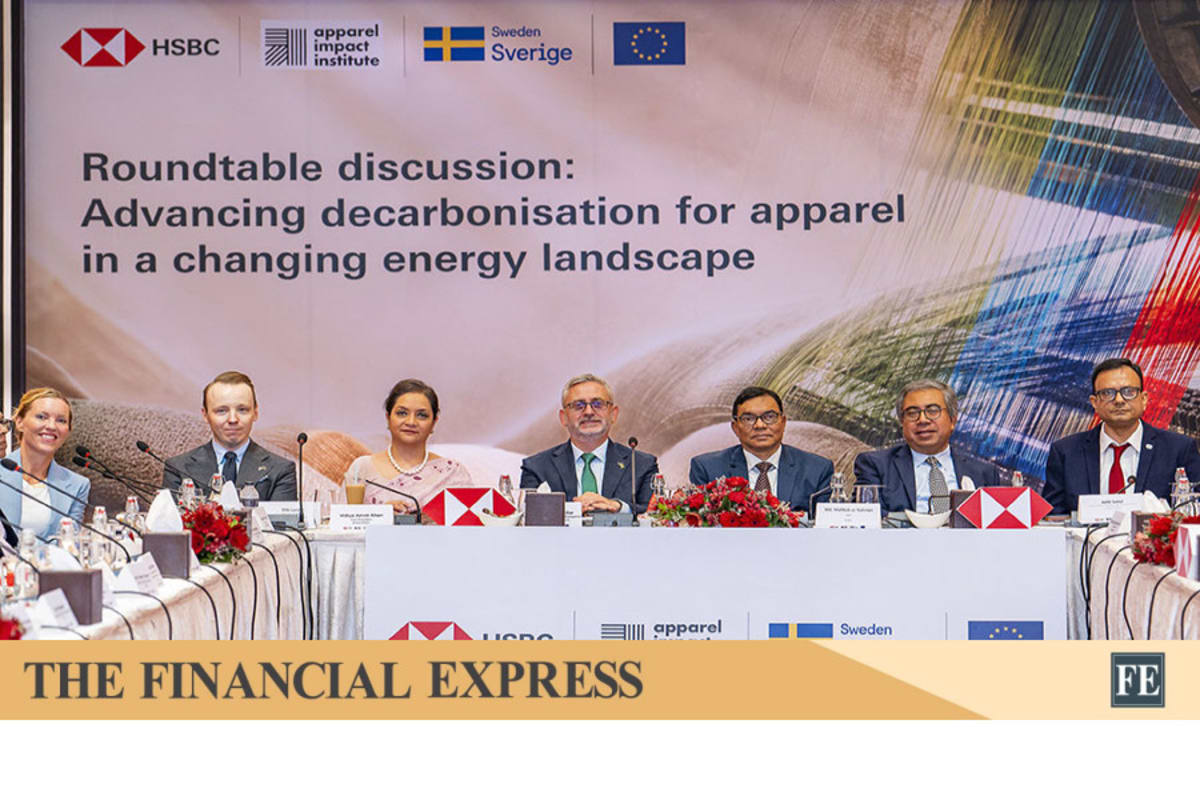
Leaders from HSBC Bangladesh, the European Union, Sweden's embassy, and the Apparel Impact Institute gathered in Dhaka this week to map out how Bangladesh can power its enormous garment industry with clean energy. The stakes are high: Bangladesh is a leading supplier of clothing worldwide, but international brands and markets now demand sustainable production.
The numbers tell a compelling story. Research presented at the roundtable shows Bangladesh needs $6.6 billion in investment to cut its apparel sector emissions in half by 2030. That might sound daunting, but experts see it as an opportunity, not just an obligation.
"Access to clean energy will become increasingly important for the competitiveness of Bangladeshi garments," said Michael Miller, EU Ambassador to Bangladesh. He encouraged the country to combine its manufacturing strength with cleaner production to lead sustainable sourcing globally.
The shift isn't just about saving the planet. Factory owners who switch to renewable energy could slash their electricity costs while meeting the expectations of major fashion brands like H&M, which participated in the discussions. Lower energy bills plus access to international markets equals a win for business and the environment.
HSBC Bangladesh's CEO Md Mahbub ur Rahman emphasized that unlocking private investment through smart policy and innovative financing will drive future competitiveness. Bangladesh Bank's Deputy Governor and representatives from the garment manufacturers' association also joined the conversation, signaling government and industry alignment.
The Ripple Effect
When Bangladesh transforms its energy systems, the impact ripples far beyond its borders. The country's apparel sector touches millions of lives, from factory workers earning livelihoods to consumers worldwide wearing the clothes they produce.
Cleaner energy means healthier communities around factories, with less air pollution affecting workers and their families. It also positions Bangladesh to keep attracting international investment as European Union regulations and global sustainability standards tighten. Countries that get ahead of this curve will secure their economic future while others scramble to catch up.
The partnership announced this week brings together financial muscle, technical expertise, and political will. Sweden's embassy and the EU delegation are backing the transition with knowledge and support, while HSBC and other financial institutions are exploring how to fund the massive infrastructure shift needed.
Bangladesh stands at a crossroads where environmental responsibility and economic opportunity meet, and this week's gathering showed leaders choosing the path that serves both.
Based on reporting by Regional: sweden renewable energy (SE)
This story was written by BrightWire based on verified news reports.
Spread the positivity!
Share this good news with someone who needs it