Bank Accounts Help 25,000 African Women Weather Climate Shocks
A groundbreaking study shows women with bank accounts in sub-Saharan Africa can better protect their families from droughts and floods. The research covering 37 countries reveals financial access strengthens immediate crisis response, though long-term climate protection needs more support.
Women across sub-Saharan Africa are proving that simple access to a bank account can mean the difference between weathering a climate disaster and losing everything.
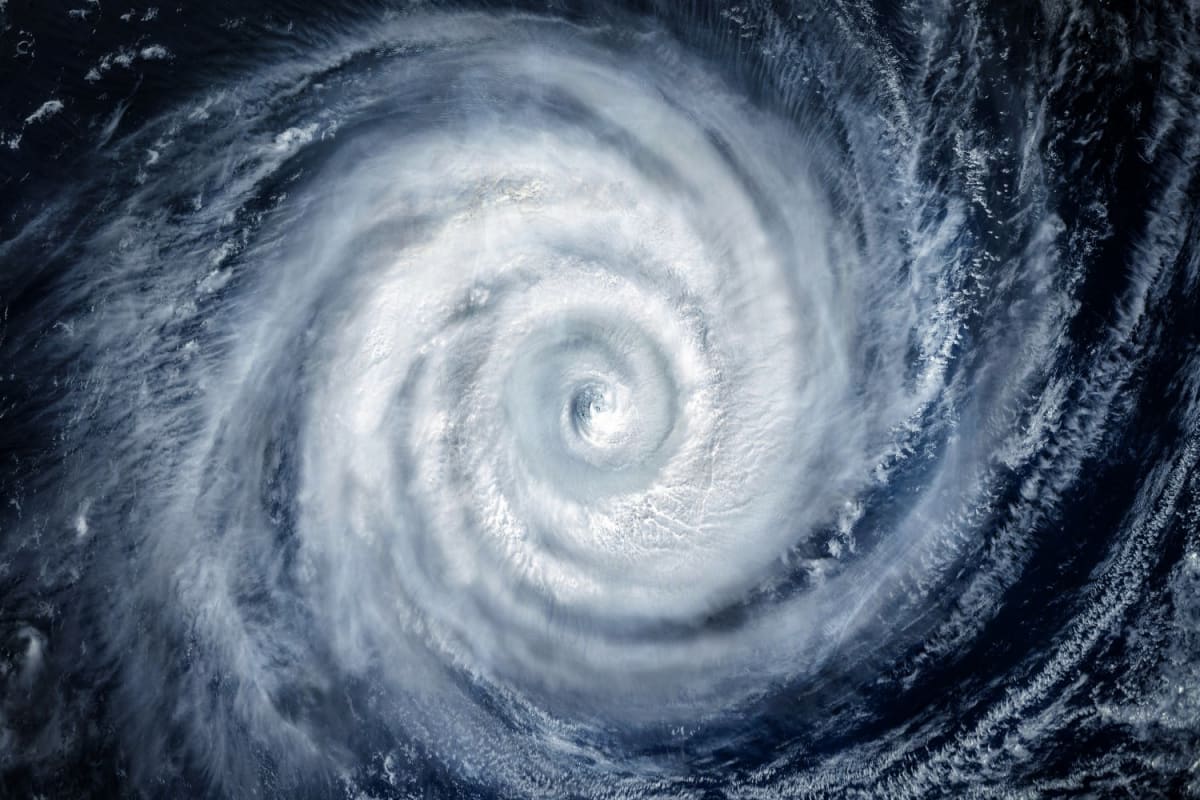
A new study published in Climate Risk Management analyzed 25,511 women-headed households across 37 countries and found something remarkable. When women controlled their own finances through bank accounts, mobile phones, and internet access, their families bounced back faster from droughts, floods, and extreme weather events.
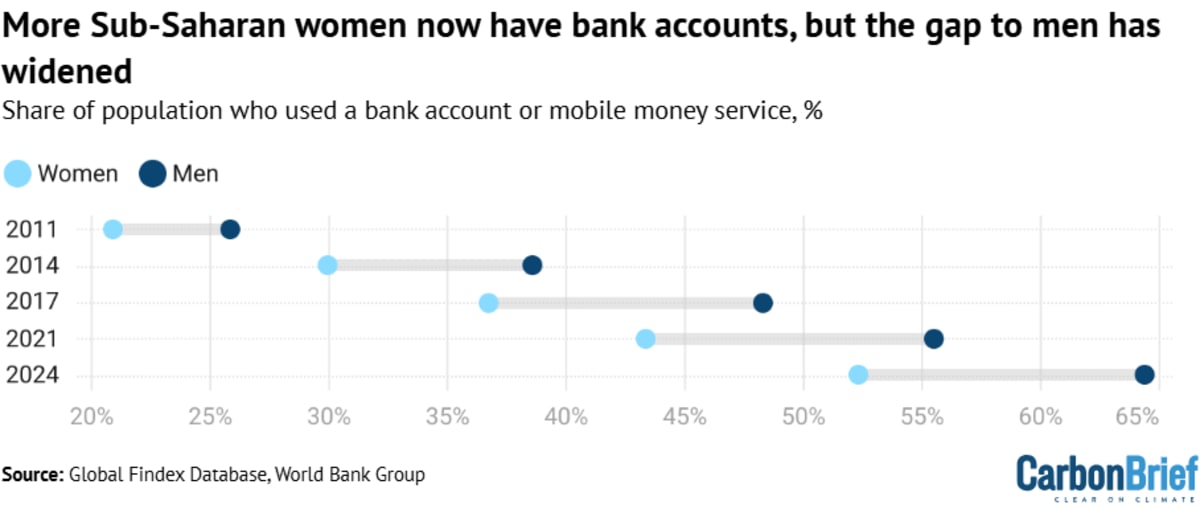
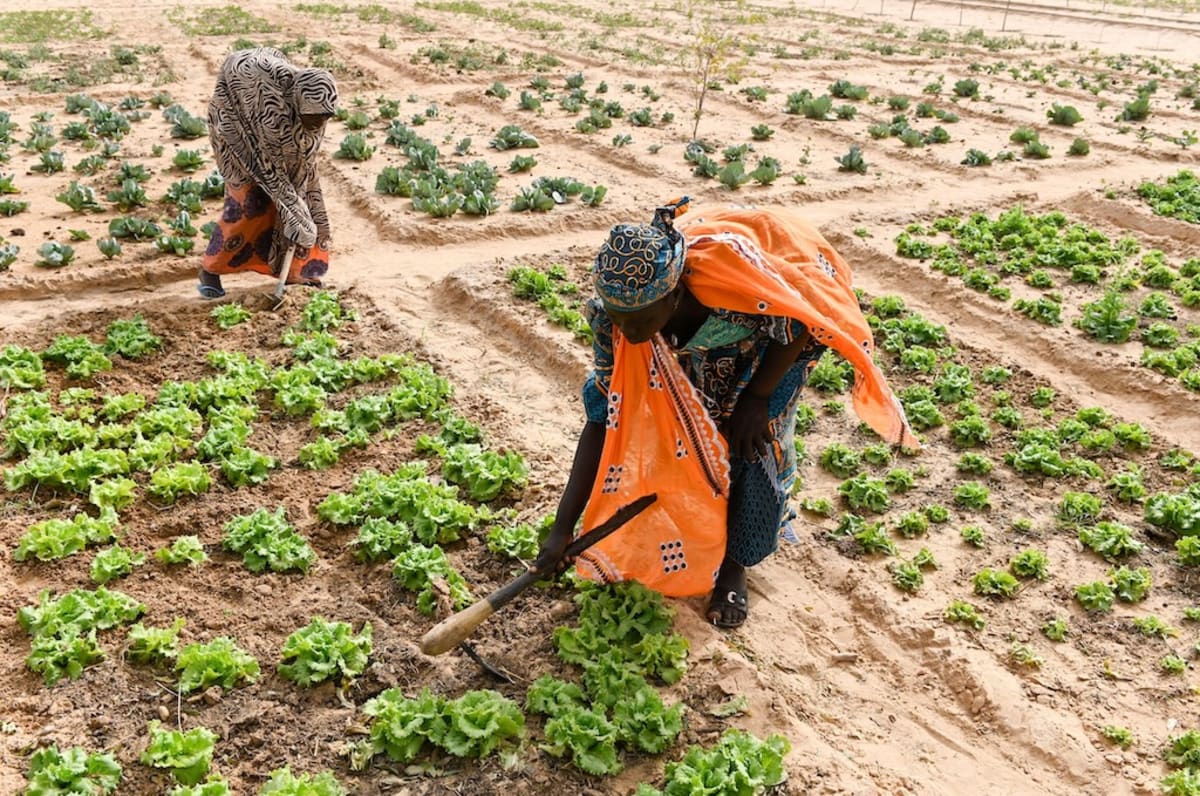
The research comes at a critical time. Women in sub-Saharan Africa face double jeopardy: they're hit harder by climate disasters because they do most of the farming, yet they're less likely to have financial tools to protect themselves. As of 2024, only 52% of women in the region have bank accounts, and the gap between men and women has actually grown to 12 percentage points.
Francis Anaisie, an economist at the University of Cape Coast in Ghana, wanted to know if financial access truly translated into better climate outcomes. The answer turned out to be yes, with an important caveat.
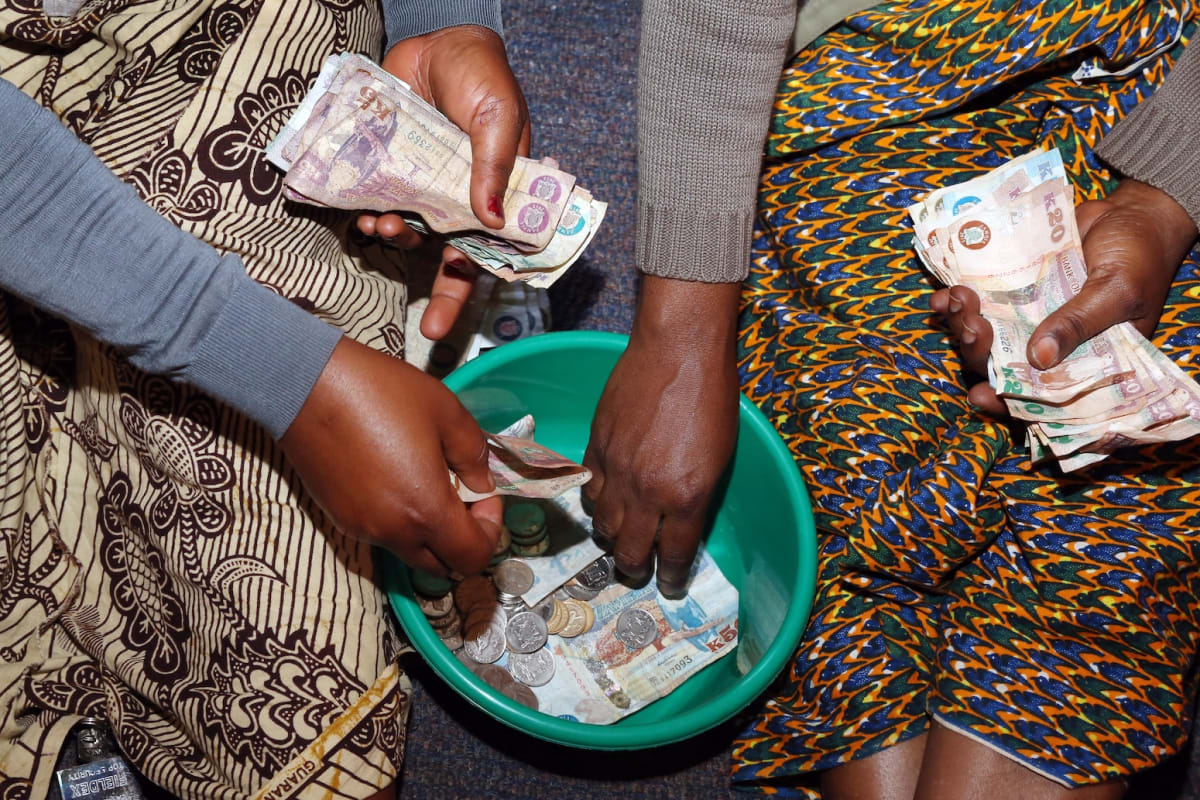
Women with bank accounts showed stronger political and economic power. They could make decisions about planting crops, access emergency credit, and buy food at better prices when disaster struck. The study found these households had a high capacity to absorb immediate climate shocks.
But here's where it gets more complex. Financial access alone couldn't overcome deep cultural barriers or prepare families for long-term threats like rising sea levels. Social empowerment remained weak, and households struggled to build protective capacity before disasters hit.
Tracy Kajumba from the International Institute for Environment and Development explains why this matters. Women are on the front lines planting and harvesting, she says, and without income to invest in drought-resistant crops or water-saving technology, adaptation becomes nearly impossible.
The Ripple Effect
The implications reach far beyond individual bank accounts. This research suggests that pairing financial inclusion with broader efforts to tackle gender inequality could transform how vulnerable communities prepare for climate change. When women gain economic power, entire households become more resilient.
The study specifically focused on UN sustainable development goals for gender equality and climate action. By measuring resilience using international food security metrics, researchers quantified something many suspected but couldn't prove: financial empowerment saves lives during climate emergencies.
The findings offer a roadmap for policymakers across sub-Saharan Africa, where climate disasters hit hardest and most frequently. Expanding women's access to financial services isn't just about equality anymore. It's become a critical climate adaptation strategy.
Every woman who opens a bank account gains more than financial freedom—she gains the power to protect her family when the next drought or flood arrives.
More Images
Based on reporting by Carbon Brief
This story was written by BrightWire based on verified news reports.
Spread the positivity!
Share this good news with someone who needs it