Bare Philippine Mountain Now Thrives With 40,000 Trees
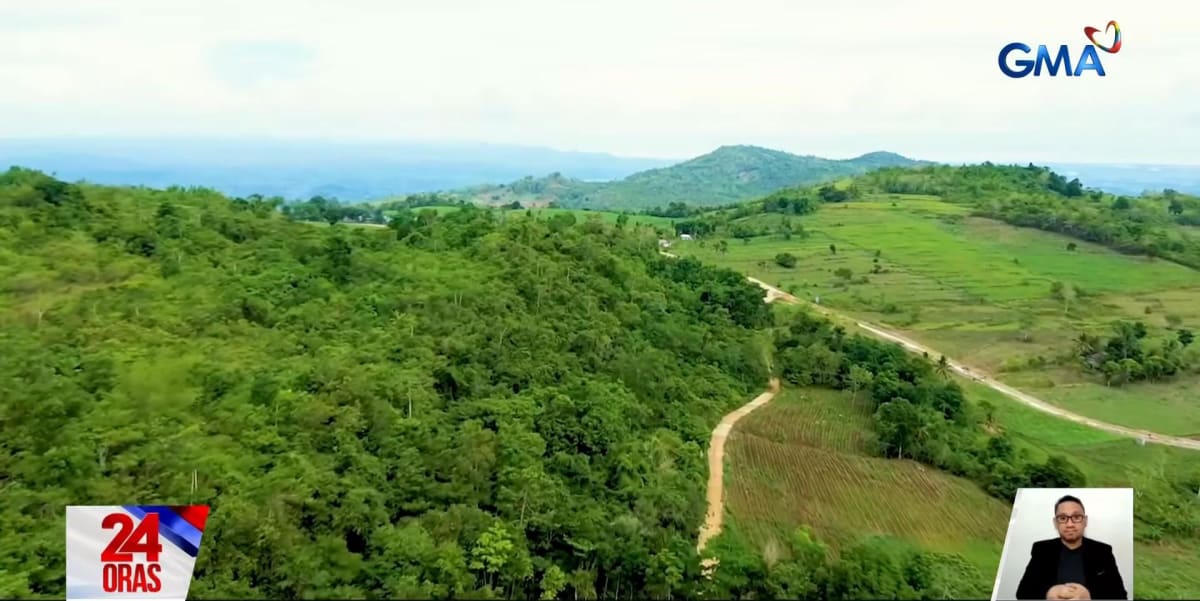
A once-barren mountainside in the Philippines has been transformed into a lush forest sanctuary with 40,000 native trees, thanks to an Irish priest and hundreds of local residents who started planting nearly two decades ago. The thriving ecosystem now attracts wildlife, provides livelihoods, and stands as a living memorial to community-powered change.
A mountain that satellite images showed completely bare in 2010 is now a thriving forest ecosystem in Negros Occidental, Philippines, proving that patient community effort can reverse environmental damage.
The transformation began around 2007 when Irish missionary priest Fr. Brian Gore noticed a critical problem. He and his group, known as the "Negros Nine," were helping local farmers improve their harvests through organic methods, but the watershed they depended on was surrounded by deforested slopes stripped bare by charcoal production.
Fr. Gore rallied hundreds of residents from nearby communities to plant native tree seedlings across the mountain. Week after week, families brought seedlings and worked together to restore what had been lost.
The group had originally formed after being falsely accused of murder in the 1980s. After their acquittal, the three priests and six lay workers established a foundation dedicated to supporting poor farmers in the region, turning their painful experience into lasting purpose.
Over nearly two decades, their patient work created what is now the Santuario de San Columbano de Bantolinao. An estimated 40,000 native trees now stand where bare earth once dominated.
"It's unbelievable how the project has flourished over the years," said John Din, president of the Negros Nine Development Foundation. "We don't seem to see it growing, but it did."
The Ripple Effect
The restored forest has become far more than trees. Birds and wildlife have returned to the area, naturally spreading more seeds and accelerating the ecosystem's recovery without human intervention.
Local residents now have a source of livelihood through the sanctuary, which welcomes visitors to experience the transformation firsthand. A viewing deck offers sweeping views of the landscape, including Mount Kanlaon.
Central Philippines State University is working with the foundation to turn the site into a field laboratory for forestry students. The partnership will provide scientific assessment of the thriving ecosystem while training the next generation of environmental stewards.
Fr. Gore passed away last year, but the community remains committed to his vision. Leaders continue raising awareness about the forest's importance, understanding that protecting it requires sustaining the people who care for it.
"We need the forest to be there to sustain it," Din explained. "And to help the people take care of the forest, we need good food to sustain the people to take care of the forest."
The sanctuary stands as proof that environmental recovery is possible when communities work together across years, not just months.
Based on reporting by Google News - Reforestation
This story was written by BrightWire based on verified news reports.
Spread the positivity!
Share this good news with someone who needs it