Bay Area AI Predicts Cell Aging to Help Us Live Better
Scientists in the Bay Area are using artificial intelligence to unlock the secrets of healthy aging, predicting how cells change over time and identifying disease years earlier. The research could help millions stay healthier longer.
Scientists in the Bay Area are teaching computers to predict how we age, and the results could help us all live healthier, longer lives.
Researchers at Gladstone Institutes in San Francisco just launched an AI model that predicts how human cells evolve as we get older. The system, trained on millions of cells, maps aging as a continuous journey rather than comparing snapshots of young versus old tissue.
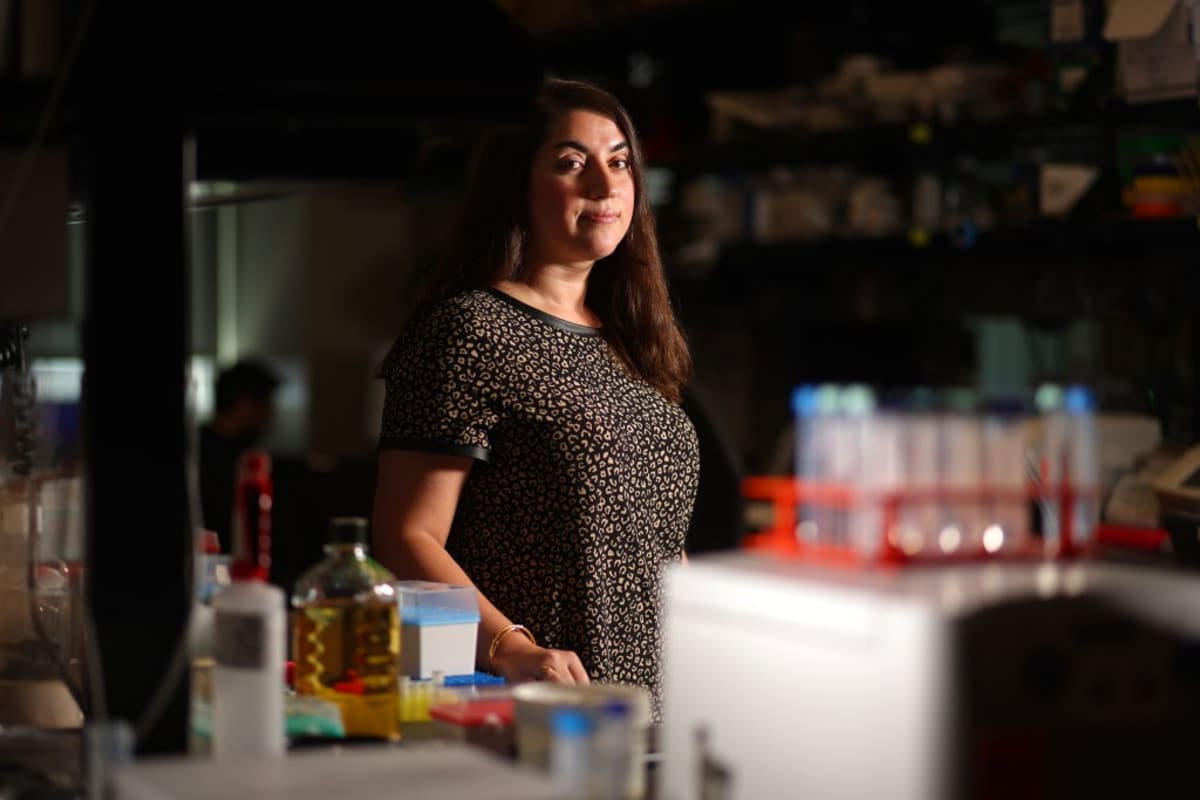
The breakthrough means scientists can now forecast cellular changes before they happen. The team, led by physician-scientist Christina Theodoris, tested their predictions in human heart cells and mice, identifying specific genes that accelerate aging.
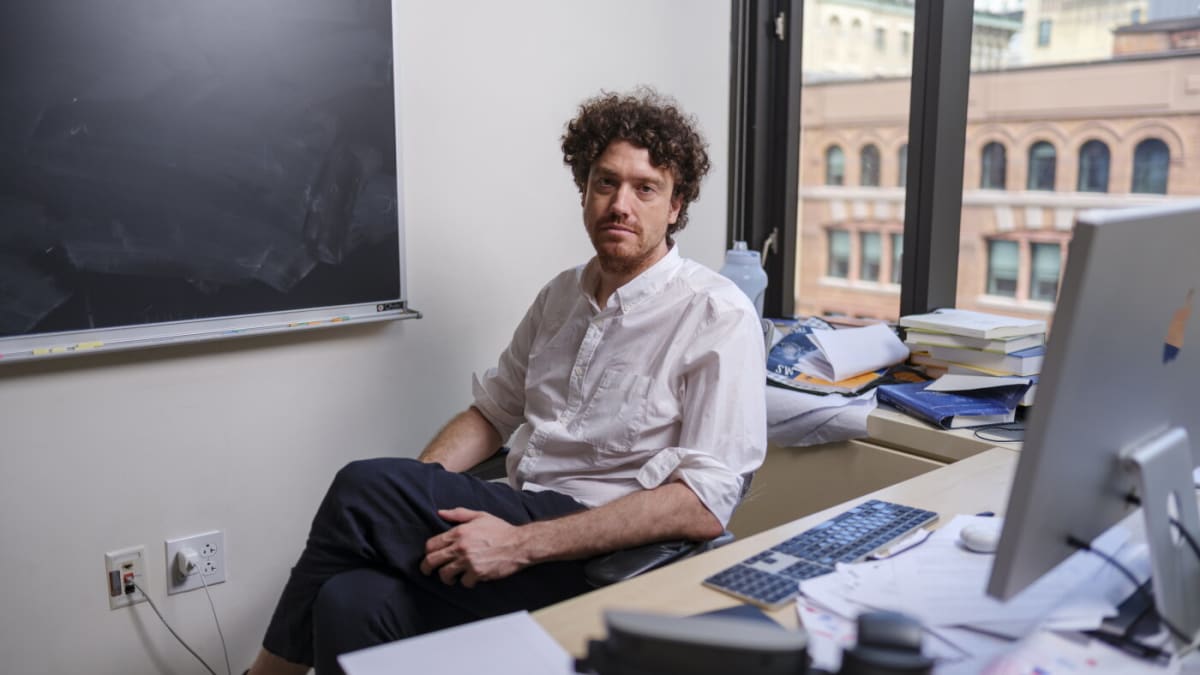
"The real test will be whether these predictions hold up across many tissues and disease contexts," said Hani Goodarzi, a core investigator at Palo Alto's Arc Institute. Still, the early results mark a major shift from traditional aging research methods.
At the Buck Institute for Research on Aging in Novato, scientists are taking a different approach. They're using AI to analyze genetic information, lab results, and microbiome data from thousands of participants to create personalized health insights.
"The microbiome is highly predictive of who will lose weight," said Nathan Price, the institute's chief scientist. The platform uses a chatbot interface to generate health scores and detailed analyses, with a public release planned by year's end.
The technology is also transforming Alzheimer's research at UC San Francisco. AI helps scientists detect biological brain changes years before memory loss appears, making clinical trials more accurate and effective.
"The way we see Alzheimer's has shifted from seeing it as a clinical cognitive syndrome to a more biological disease," said Duygu Tosun-Turgut, a professor of radiology at UCSF. Earlier detection means researchers can identify the right patients for drug trials and measure treatment effectiveness more precisely.
Patients are already seeing benefits. AI-assisted scan readings reduce false positives, giving people more accurate diagnoses faster.
The Ripple Effect
The research comes with important caveats. The most ambitious applications, including accelerated drug development, remain years away. AI systems can carry bias if trained on data that doesn't reflect diverse populations, and researchers are working to address these gaps.
Social factors matter just as much as technology. Access to treatments, lifestyle choices, and structural support systems will all play crucial roles in whether these discoveries improve real lives.
"This is only one piece of an important puzzle," said Angie Perone, director of the Center for the Advanced Study of Aging Services at UC Berkeley. The message is clear: AI won't deliver a magic anti-aging pill, but it could give us something better.
Combined with good healthcare access and healthy choices, these tools could help millions of people stay independent and vibrant well into their 90s. The future of aging isn't about living forever but living better, and Bay Area scientists are showing us the path forward.
More Images


Based on reporting by Google News - Researchers Find
This story was written by BrightWire based on verified news reports.
Spread the positivity!
Share this good news with someone who needs it