Bay Area Lab Inches Closer to Detecting Dark Matter
Scientists at a Menlo Park laboratory may have detected dark matter for the first time ever, potentially unlocking secrets about how our universe works. Researchers at SLAC National Accelerator Laboratory are cautiously optimistic about findings that could revolutionize our understanding of space.
Scientists in the Bay Area might have just made one of the biggest discoveries in the history of physics.
Researchers at the SLAC National Accelerator Laboratory in Menlo Park announced Tuesday they may have detected dark matter, the invisible substance scientists believe makes up most of the universe. For decades, we've theorized that dark matter exists and holds galaxies together, but no one has ever been able to prove it's real.
The team is being careful with their excitement. After all, they're searching for something completely invisible that we've never actually seen before. But the early signals are promising enough to energize the entire scientific community.
Dark matter is believed to make up about 85% of all matter in the universe. We can see its effects on how galaxies move and how light bends through space, but the substance itself has remained one of science's greatest mysteries. Until now, maybe.
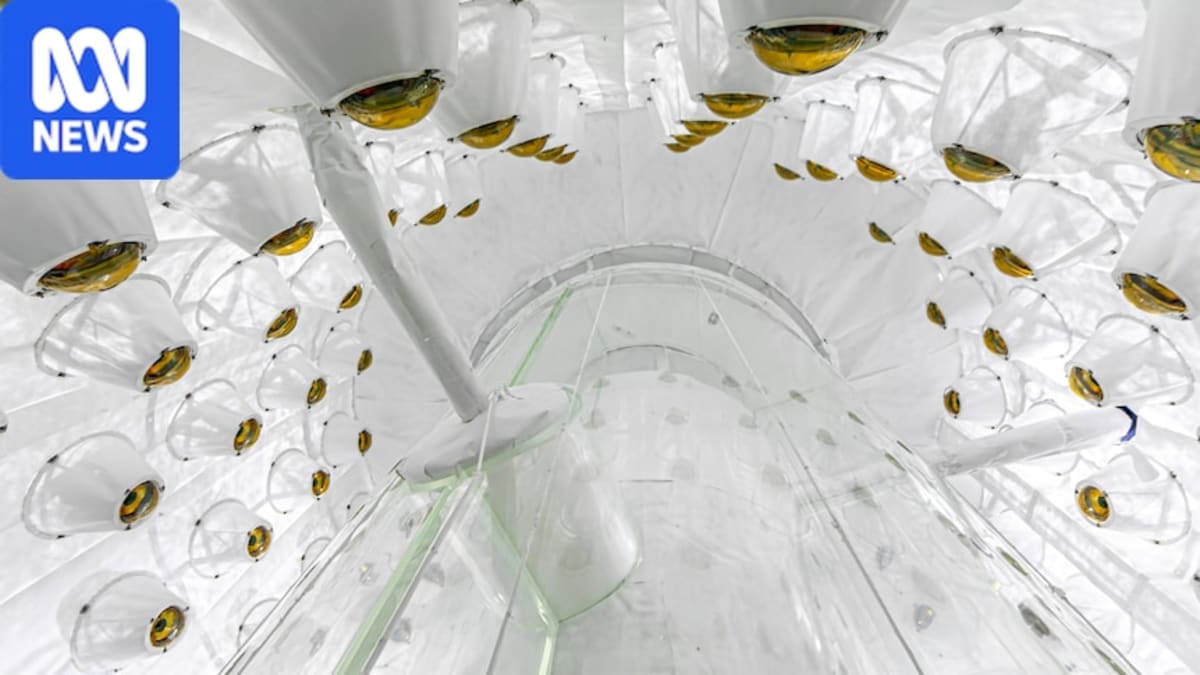
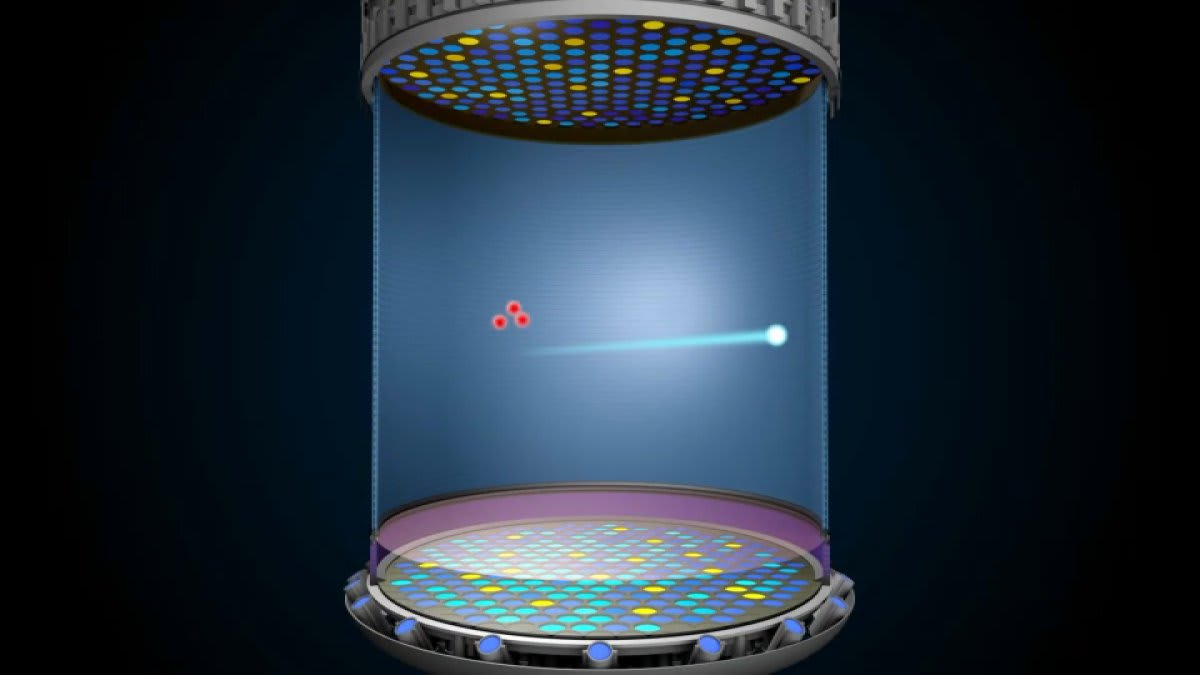
The SLAC team has spent years building incredibly sensitive instruments designed to catch even the faintest whisper of dark matter particles. These detectors sit deep underground, shielded from cosmic radiation and other interference that could create false readings.
Why This Inspires
This possible breakthrough reminds us that the biggest questions still have answers waiting to be found. The researchers at SLAC didn't give up after decades of looking for something they couldn't see, touch, or measure directly. Their persistence shows what human curiosity and determination can achieve.
If confirmed, this discovery would unlock entirely new fields of science. We could finally understand what most of the universe is actually made of. New technologies could emerge from understanding how dark matter works. Students today might grow up to build careers in fields that don't even exist yet.
The Bay Area has long been home to groundbreaking scientific research, and SLAC continues that tradition. The lab's work connects back to fundamental questions humans have asked since we first looked up at the stars: What is everything made of? How does it all fit together?
The team emphasizes they need more data and peer review before declaring victory. Science moves carefully, especially with claims this big. But even the possibility has researchers around the world checking their own instruments and collaborating on next steps.
One invisible particle could change everything we know about the cosmos.
More Images

Based on reporting by Google News - Breakthrough Discovery
This story was written by BrightWire based on verified news reports.
Spread the positivity!
Share this good news with someone who needs it