Search

Find uplifting stories about heroes, innovations, and solutions

13 results for "slac"

Bay Area Lab Inches Closer to Detecting Dark Matter
Innovation2h ago

Bay Area Lab Inches Closer to Detecting Dark Matter

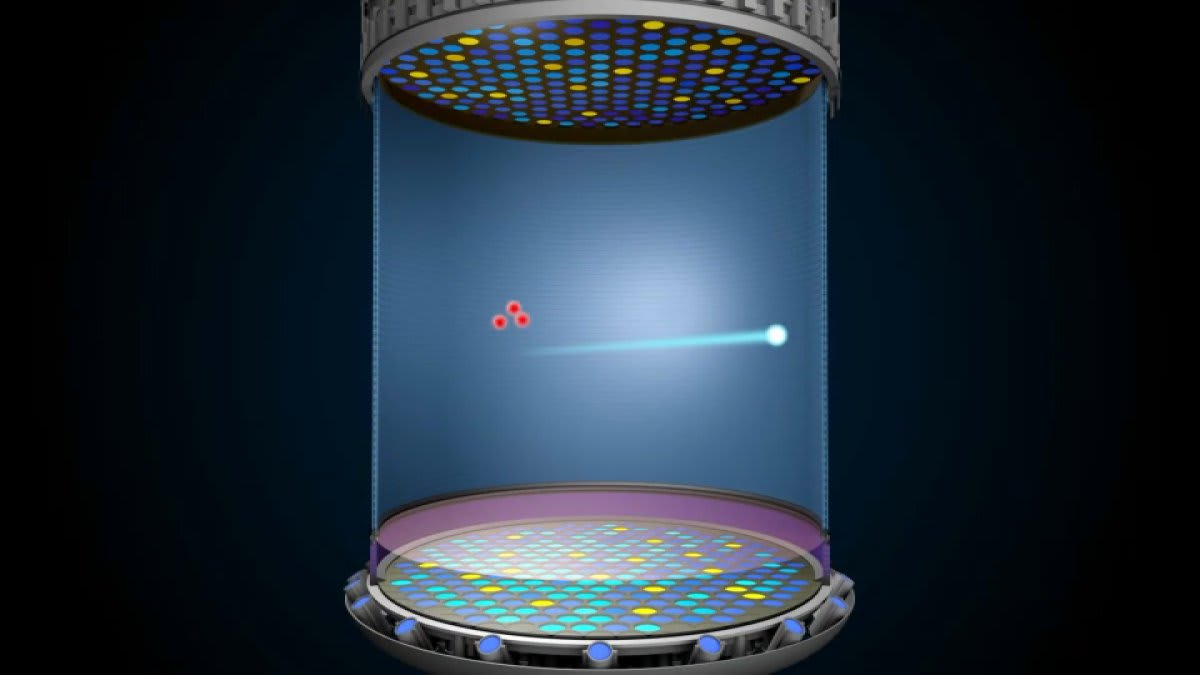
Scientists at a Menlo Park laboratory may have detected dark matter for the first time ever, potentially unlocking secrets about how our universe works. Researchers at SLAC National Accelerator Laboratory are cautiously optimistic about findings that could revolutionize our understanding of space.

Google News - Breakthrough Discovery2 min read
Scientists Shrink Data 100X Without Losing Key Details
InnovationAug 25

Scientists Shrink Data 100X Without Losing Key Details

Researchers at Stanford's SLAC lab created an AI tool that compresses massive science datasets up to 100 times smaller while keeping the tiny details that lead to discoveries. The breakthrough could help scientists handle tomorrow's data flood without losing critical information.

Google: scientific discovery3 min read
Stanford Leads 6 AI Projects to Solve Energy and Science Gaps
InnovationJul 23

Stanford Leads 6 AI Projects to Solve Energy and Science Gaps

Stanford and SLAC National Accelerator Laboratory will lead six groundbreaking projects using AI to tackle challenges from battery recycling to understanding the universe. The Genesis Mission funding brings together scientists across disciplines to speed up discoveries that could transform energy, agriculture, and physics.

Google: scientific discovery3 min read
AI Agents Team Up to Rescue Battery Metals from E-Waste
InnovationJul 25

AI Agents Team Up to Rescue Battery Metals from E-Waste

Scientists just built a squad of AI agents that work together to extract valuable metals from dead batteries, turning electric vehicle waste into a domestic supply of critical materials. The breakthrough could eliminate millions in metal imports while slashing chemical waste.

Google: scientific discovery3 min read
🎬
VideosMay 14

Simple Heat Trick Makes Batteries Last 50% Longer

Scientists discovered that changing how fast they heat batteries during manufacturing makes them last dramatically longer. The breakthrough requires no new chemicals or extra costs.

Google News - Researchers Find3 min read
Scientists Recover 2,000-Year-Old Star Map With X-Rays
Community HeroesFeb 2

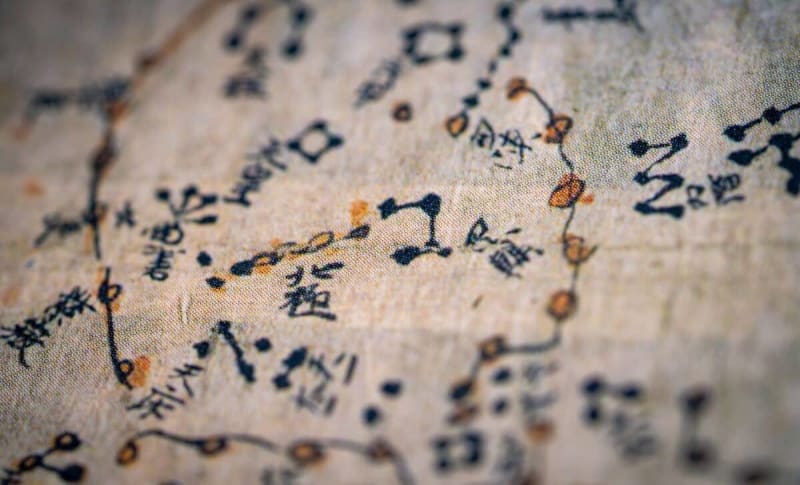
Scientists Recover 2,000-Year-Old Star Map With X-Rays

Researchers just uncovered the world's oldest star catalog, hidden for centuries under six layers of religious text. Using X-ray technology, they revealed how an ancient astronomer mapped the heavens with nothing but his eyes.

Google News - Science2 min read
Ancient Star Map Decoded After 2,000 Years
InnovationFeb 1

Ancient Star Map Decoded After 2,000 Years

Scientists used a particle accelerator to reveal a lost star catalog hidden beneath medieval text, uncovering the oldest known star map from 129 BCE. The discovery proves ancient Greek astronomer Hipparchus achieved remarkable accuracy without modern tools.

Google News - Science2 min read
Fermilab Wins AI Funding to Power Next-Gen Science
InnovationJul 23

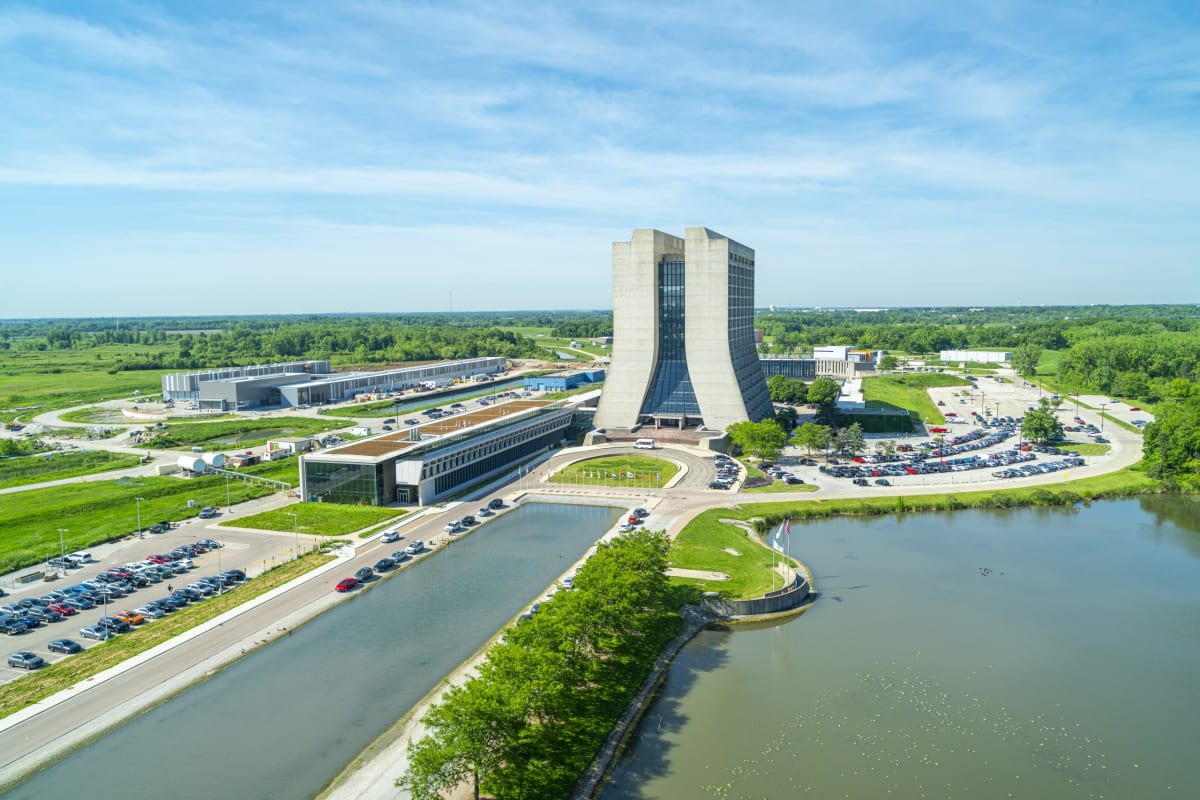
Fermilab Wins AI Funding to Power Next-Gen Science

A U.S. particle physics lab just scored major federal funding to supercharge scientific discovery using artificial intelligence. The breakthrough could make world-class research faster, cheaper, and more reliable than ever before.

Google: scientific discovery2 min read
Scientists May Have Found Quantum Computing Gold in a Rock
InnovationMay 5

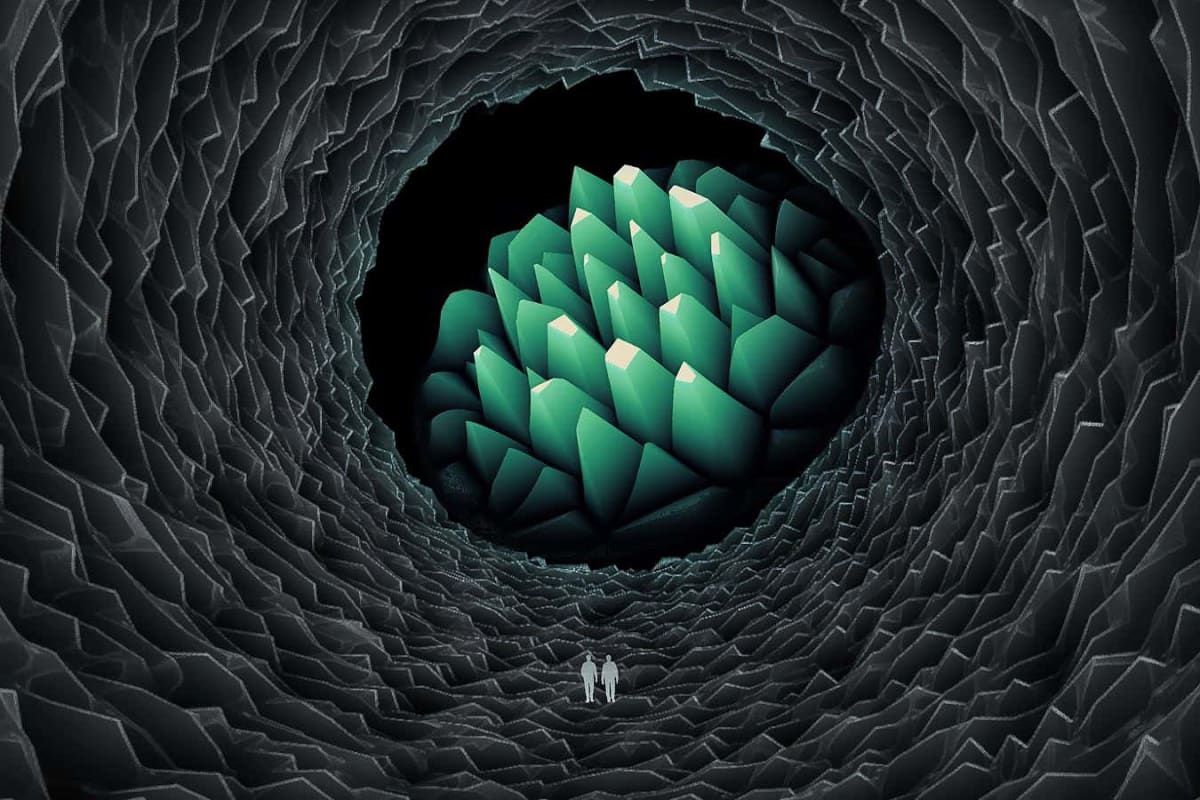
Scientists May Have Found Quantum Computing Gold in a Rock

A bluish-green mineral discovered in an Iranian mine 50 years ago might hold the key to revolutionizing quantum computers. Physicists now have evidence that this rare crystal naturally creates quantum entanglement, something scientists have struggled to engineer in labs.

New Scientist2 min read
Particle Accelerator Reveals 2,000-Year-Old Star Maps
InnovationFeb 4

Particle Accelerator Reveals 2,000-Year-Old Star Maps

Scientists are using X-ray beams to read ancient Greek astronomy hidden under medieval monastery text. The recovered star catalog could answer questions about how science began 2,000 years ago.

Smithsonian2 min read
Particle Accelerator Reveals Lost Ancient Greek Star Map
InnovationJan 30

Particle Accelerator Reveals Lost Ancient Greek Star Map

Scientists used cutting-edge technology to decode a 1,500-year-old manuscript hiding one of astronomy's greatest lost treasures. The recovered star catalog from ancient Greek astronomer Hipparchus could rewrite our understanding of early science.

Scientific American2 min read
World's Largest Camera Begins Scanning the Night Sky
InnovationFeb 28

World's Largest Camera Begins Scanning the Night Sky

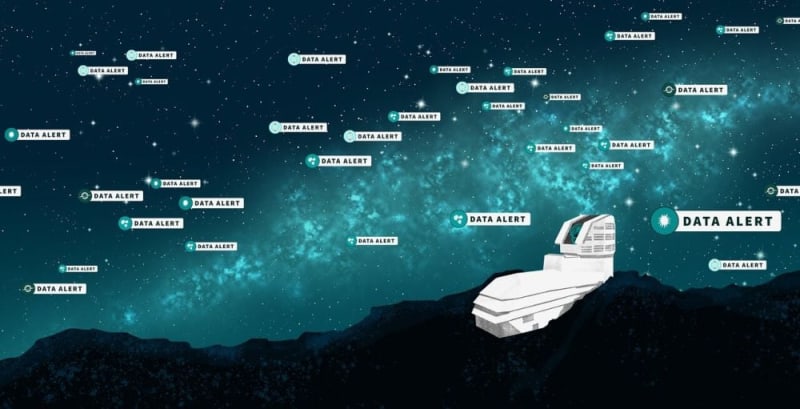
The Vera Rubin Observatory just sent 800,000 alerts in a single night, catching asteroids, supernovae, and cosmic changes as they happen. Soon it will send seven million alerts nightly, discovering more objects in one year than all telescopes in history combined.

Google: scientific discovery3 min read
AI Tool Speeds Up Discovery at 7 National Science Labs
InnovationFeb 3

AI Tool Speeds Up Discovery at 7 National Science Labs

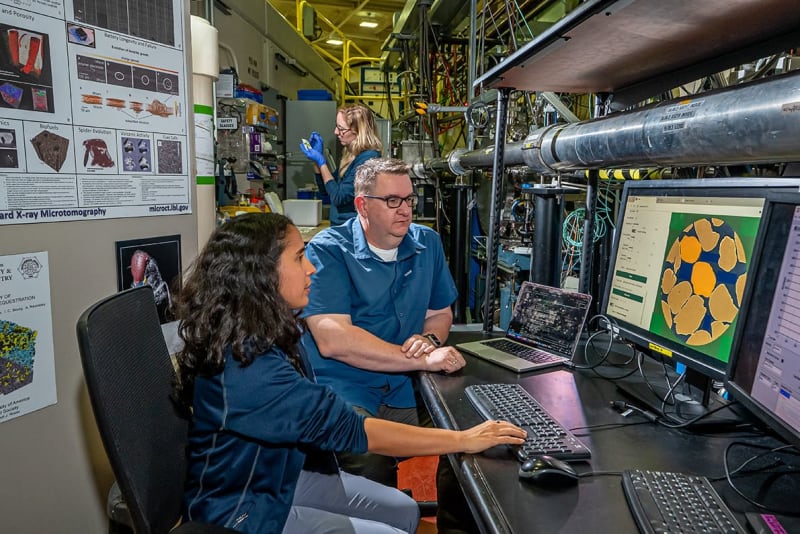
Scientists at Lawrence Berkeley National Lab just launched an AI system that will dramatically speed up breakthroughs in energy, medicine, and materials science. The tool analyzes data from powerful microscopes in minutes instead of weeks.

Google: scientific discovery3 min read