Beaver Island Tests Wave Power to End Blackouts
University of Michigan researchers are testing wave-powered generators this week on Beaver Island, where 600 residents face frequent power outages during storms. The technology could provide clean, reliable electricity to the remote community that currently depends on mainland diesel generators and vulnerable underwater cables.
A remote Michigan island community could soon power itself with the very waves that crash against its shores.
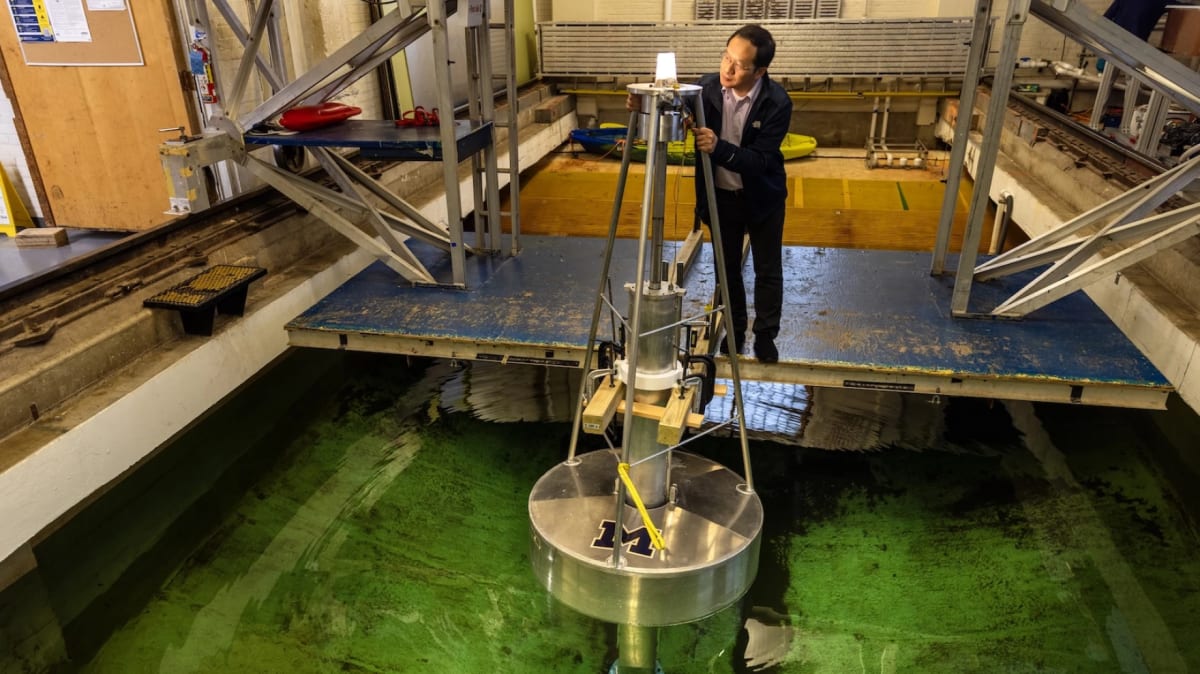
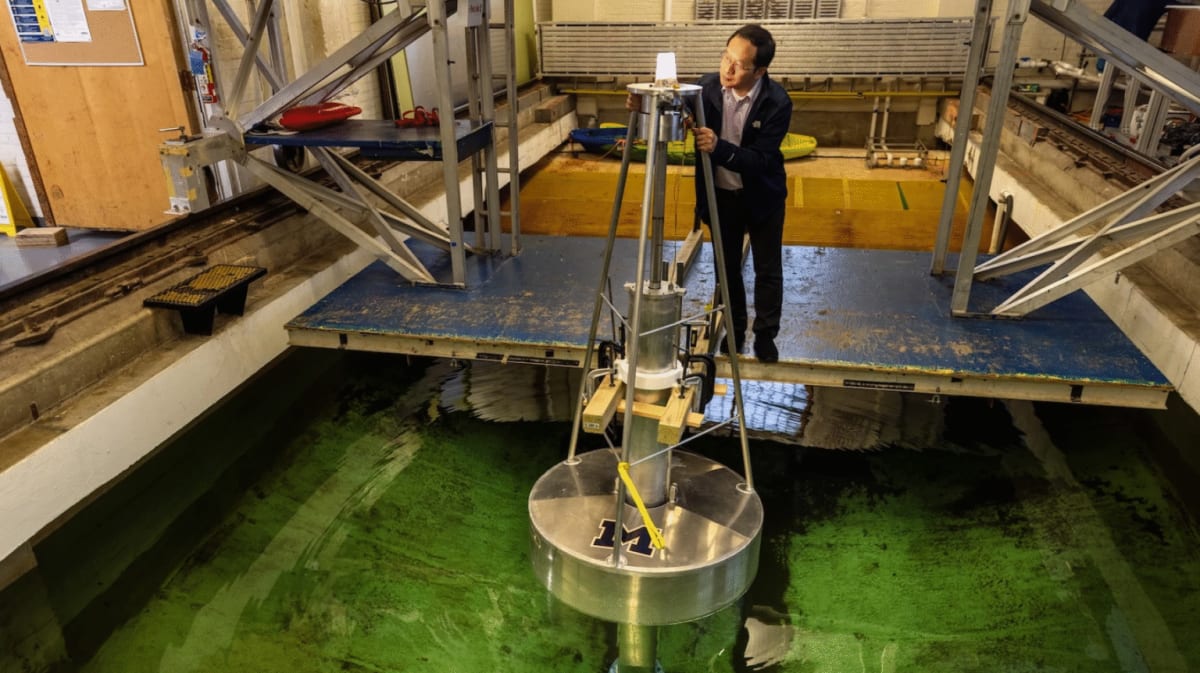
Beaver Island residents will see researchers test new wave energy converters this Saturday, marking a major step toward solving the frequent blackouts that plague their 600-person community. The devices look like small boats framed with PVC pipes, but they're designed to turn Lake Michigan's waves into reliable electricity.
The project grew directly from community needs. Through two years of workshops, residents told University of Michigan researchers they desperately need dependable power for the local airport, especially during emergencies.
Right now, power reaches the island through diesel generators and sensitive underwater cables that often fail during storms. These regular outages have pushed many islanders to already embrace solar panels and geothermal energy for their homes and businesses.
"It's a combination of looking at cost savings and also wanting to be independent and not dependent on the mainland for everything," said Seamus Norgaard, a part-time island resident. The environmental benefits sweeten the deal.
Professor Lei Zuo leads the engineering team that designed the prototypes with direct input from islanders. "We need to work with the community together to identify the need and design together with them," he said.
The Ripple Effect
This small island experiment could unlock wave power worldwide. The technology remains expensive and unstandardized, keeping it off most electric grids despite its enormous potential.
The Great Lakes offer a perfect testing ground. Researcher Saied Bayat explains that while Great Lakes waves are smaller and more seasonal than ocean swells, they provide real-world conditions that are "much easier, safer, and less expensive to access than most ocean sites."
Success here could help standardize wave energy technology, making it affordable for coastal communities everywhere. The researchers plan to refine their prototypes based on Saturday's demonstration and community feedback, then install a final version within the next few years.
The wave power demonstration happens during Beaver Island's 10th annual sustainability fair, starting at 10 a.m. at the Central Michigan University boathouse near Whiskey Point. For this community, cleaner energy isn't just an environmental choice; it's about survival and independence.
More Images


Based on reporting by Google News - Researchers Find
This story was written by BrightWire based on verified news reports.
Spread the positivity!
Share this good news with someone who needs it