Bengaluru Scientist Solves Electronics Heat Problem
After a decade of research, a materials scientist in India has cracked one of the biggest problems in modern electronics: heat. His startup is now making circuit boards that keep devices cooler, helping everything from LED lights to electric vehicles work better and last longer.
Your smartphone gets hot. Your LED lights burn out. Electric vehicles need massive cooling systems. The culprit? Heat is one of the toughest challenges facing modern electronics.
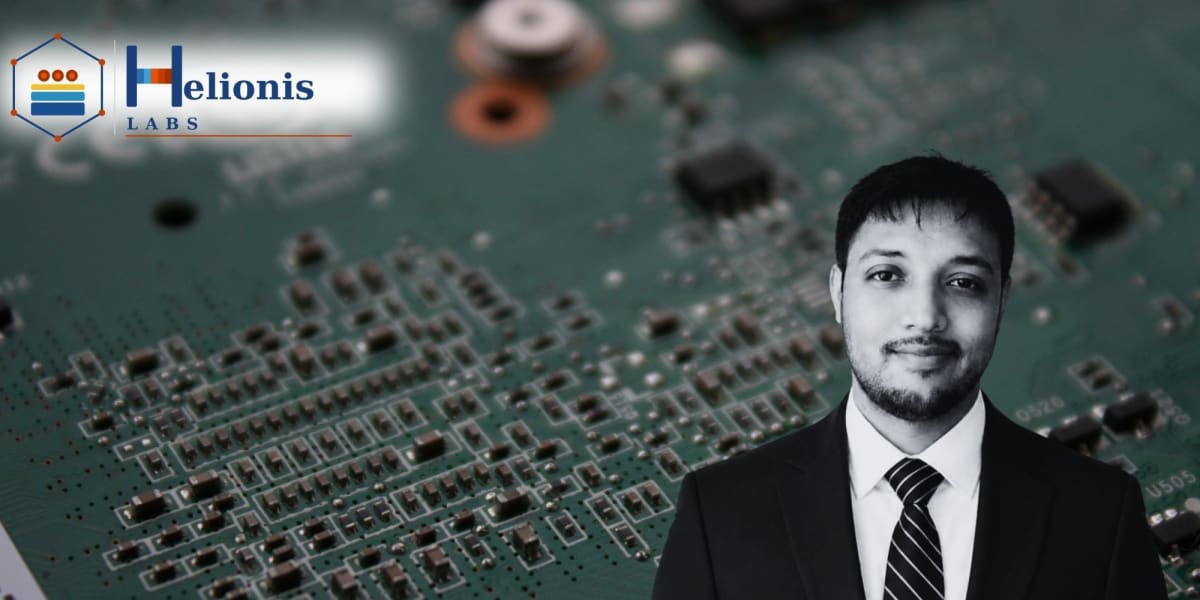
Tarun Jha spent ten years working on a solution. The materials scientist started in labs at the University of Florida and companies across two countries before finally founding Helionis Labs in Bengaluru in 2024.
The problem he tackled sits inside circuit boards. When you pack more computing power into smaller spaces, the heat has nowhere to go. A thin layer called a dielectric is supposed to let heat escape while keeping electricity contained, but India imports most of this critical material.
Jha developed a way to make it domestically. His approach prints the material directly onto aluminum, creating thinner, more effective boards that cost less to manufacture. The process uses fewer chemicals than conventional methods and can replace standard boards without requiring companies to redesign their products.
Working with materials moves slowly. Each new formula needs development, testing, certification, and then convincing manufacturers to trust it in their products. Helionis reached a working version in 2025.
The company is now running pilots with major LED manufacturers in India. Lighting makes sense as a starting point because heat kills LEDs faster than almost anything else, and the buyers are big enough to make production worthwhile.
Electric vehicles represent the bigger prize. Power electronics in EVs run extremely hot, and failures can be dangerous. As India builds more electric vehicles, a reliable domestic supplier becomes valuable to manufacturers who currently depend on imports.
The Ripple Effect
Helionis raised pre-seed funding from Transition VC in June 2026. The money is going toward materials research, engineering hires, certifications, reliability testing, and setting up a pilot production line.
The real test comes next. Moving from laboratory samples to factory-scale production will determine whether Jha's decade of work can break India's dependence on imported thermal materials. Several manufacturers are willing to try his boards in their products.
Breaking into a market dominated by foreign suppliers means proving performance and cost at volume. Jha has the certifications to pursue and the pilot line to build, but he also has customers ready to test the material in real products.
Sometimes solving the hardest problems just takes someone willing to work on them long enough.
More Images


Based on reporting by YourStory India
This story was written by BrightWire based on verified news reports.
Spread the positivity!
Share this good news with someone who needs it