New Materials Break AI Performance Barriers
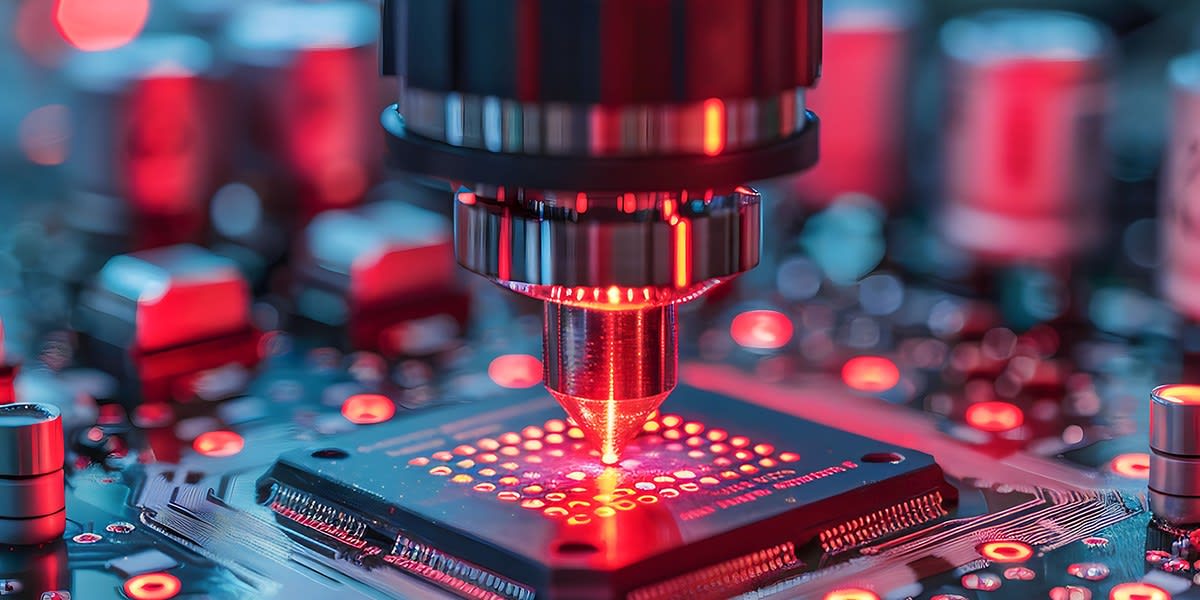
The next generation of AI isn't just about better algorithms. Advanced materials science is quietly solving the extreme physical challenges that make faster, more efficient AI possible.
Find uplifting stories about heroes, innovations, and solutions
12869 results for "materials-science"

The next generation of AI isn't just about better algorithms. Advanced materials science is quietly solving the extreme physical challenges that make faster, more efficient AI possible.

IBM's quantum computer just accurately simulated a complex magnetic crystal, matching real-world experimental data for the first time. This breakthrough could unlock mysteries in materials science that classical computers simply can't solve.

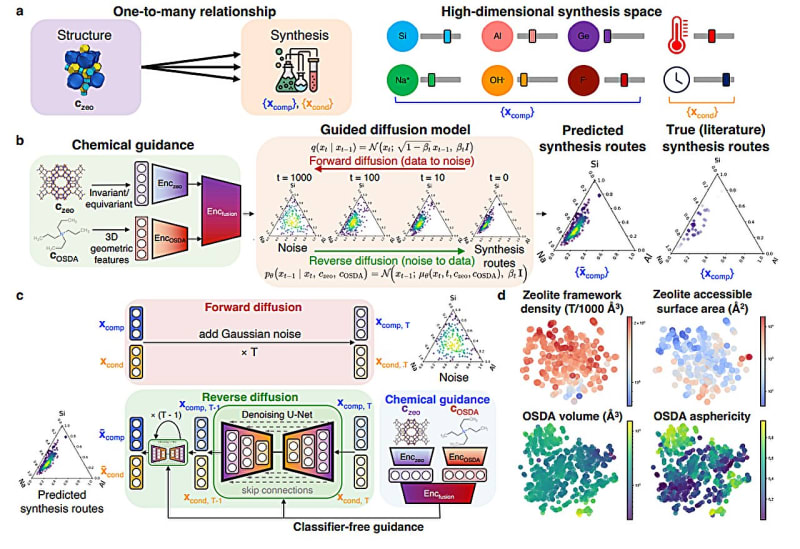
Scientists at MIT created an AI tool that suggests recipes for making new materials in under a minute, solving the biggest bottleneck in materials discovery. The team has already used it to create a promising new material with improved heat resistance.

Scientists at Stanford have invented a soft material that can shift its color and texture in seconds, mimicking how octopuses blend into their surroundings. The breakthrough could revolutionize camouflage, flexible displays, and even help tiny robots grip surfaces.

Scientists just solved the biggest bottleneck in materials discovery with an AI that suggests how to actually make breakthrough materials in minutes instead of months. The model already helped create a new heat-resistant material that could improve everything from catalysts to clean energy.

A European team just scored €6 million to build an AI that lets scientists "talk" to materials research. The platform could transform how we invent everything from batteries to building materials.

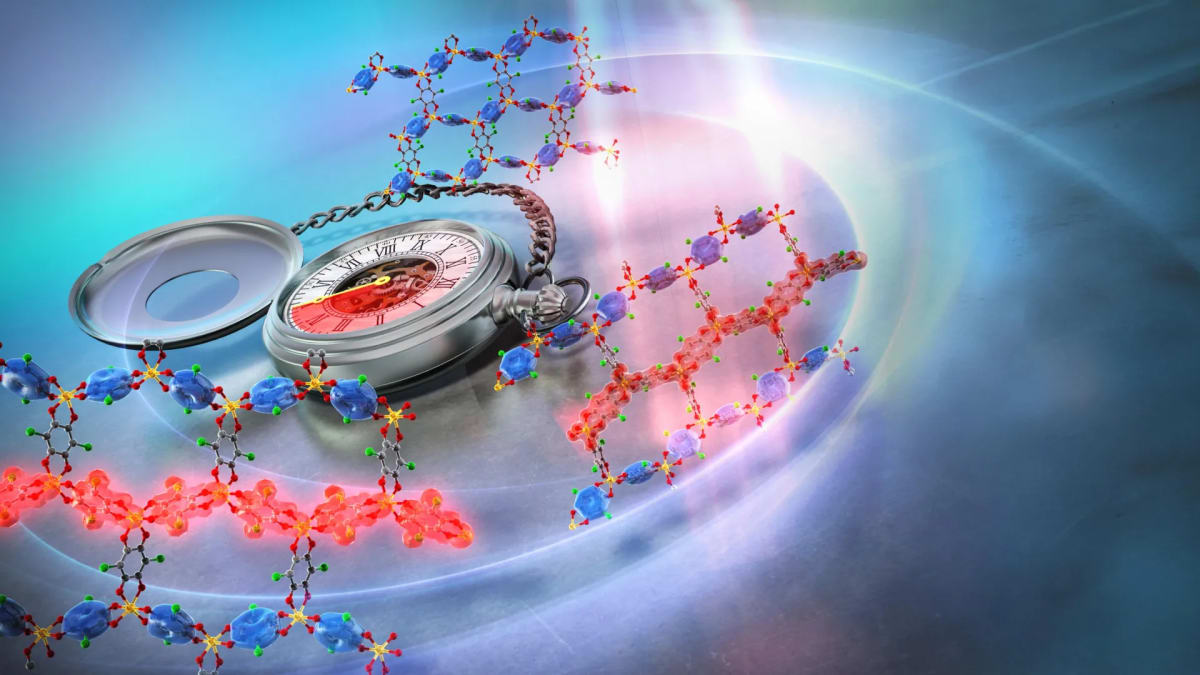
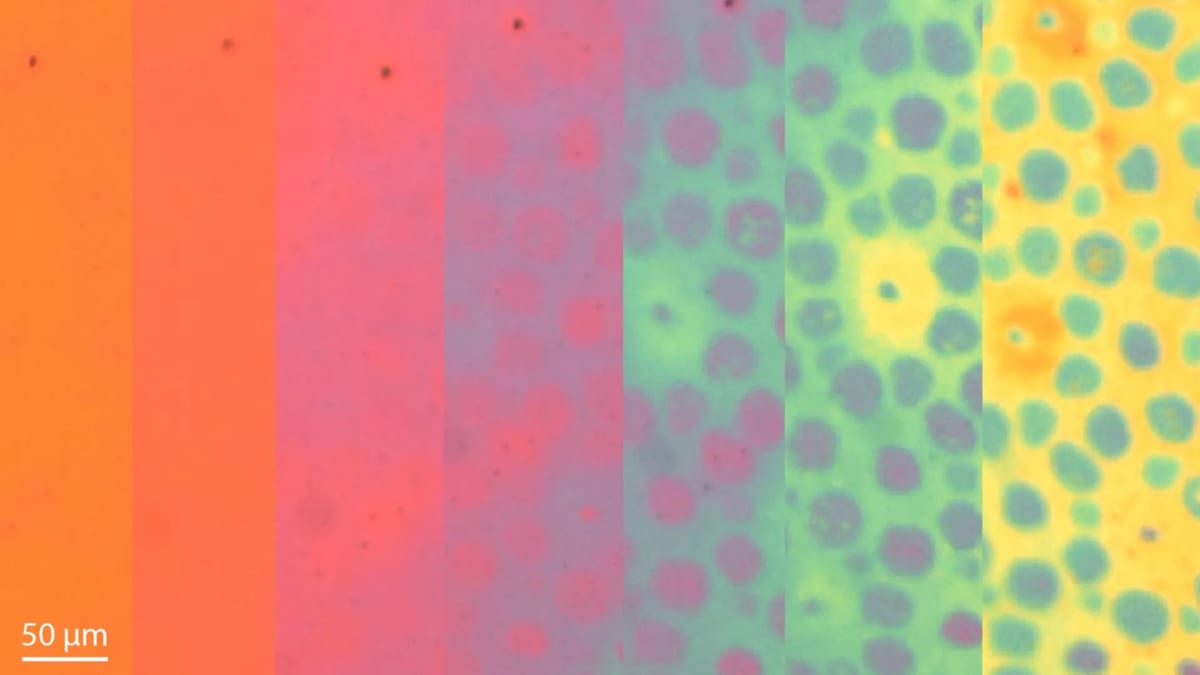
Researchers just found a way to transform ordinary materials into exotic quantum substances using light and particle pairs called excitons. This breakthrough could let us create custom materials on demand, opening doors to revolutionary technologies.

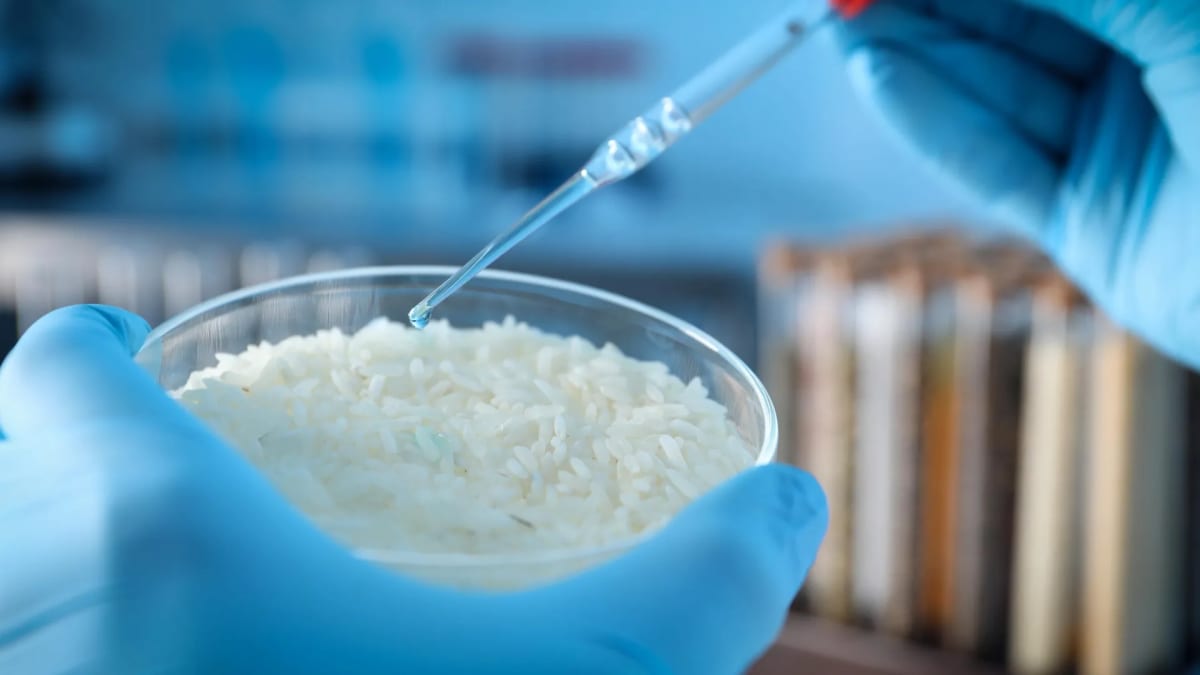
Scientists turned ordinary rice into a breakthrough material that automatically stiffens or softens based on how fast it's hit. The discovery could lead to safer robots and protective gear that adapts on its own.

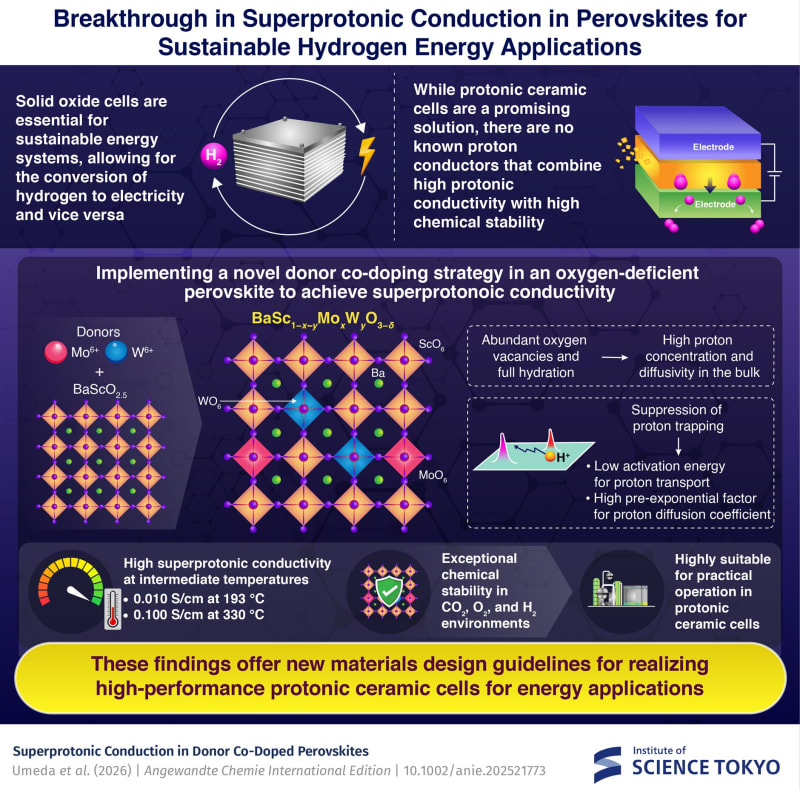
Scientists in Japan have created a ceramic material that solves a decades-old problem blocking efficient hydrogen energy, potentially accelerating the shift to carbon-free power. The breakthrough material conducts hydrogen protons at record speeds while staying stable in real-world conditions.

Scientists are calling for more collaborations between artists and researchers to rebuild public confidence in science. The strategy comes as funding cuts threaten research programs worldwide.

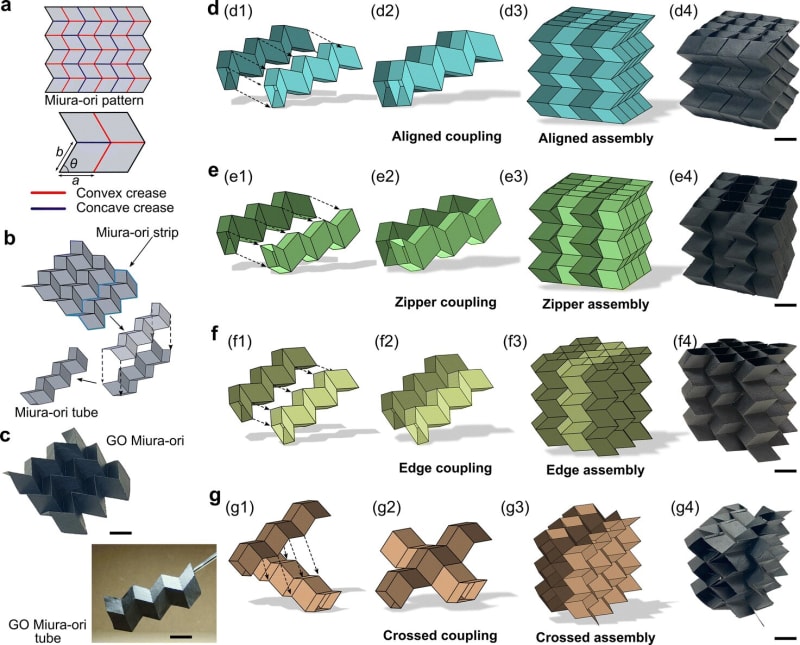
Scientists just created shapeshifting materials thinner than paper that fold, walk, and sense their own movement, opening doors to gentler medical tools and smarter robots. The breakthrough solves a major challenge that kept similar materials from real-world use.
A material scientist found a pattern that textbooks said couldn't exist, and his curiosity changed how we understand the atomic world. The discovery that started with "10 fold???" scribbled in a notebook led to an entirely new field of materials science.
Scientists are using AI and automated labs to slash the time it takes to develop crucial materials for solar panels, electric vehicles, and clean energy tech. These tiny interface materials could make climate solutions more durable and affordable.

A major science organization is launching a digital series that shows how Earth science research translates into real solutions for communities worldwide. The series premiews in December 2026 and goes global in January 2027.

Over 900 Calgary students from Grade 5 to 12 are presenting their self-designed science experiments at the city's largest youth science fair this weekend. Two Grade 12 students developed a promising wound infection detector using red cabbage extract after a cooking accident sparked their curiosity.

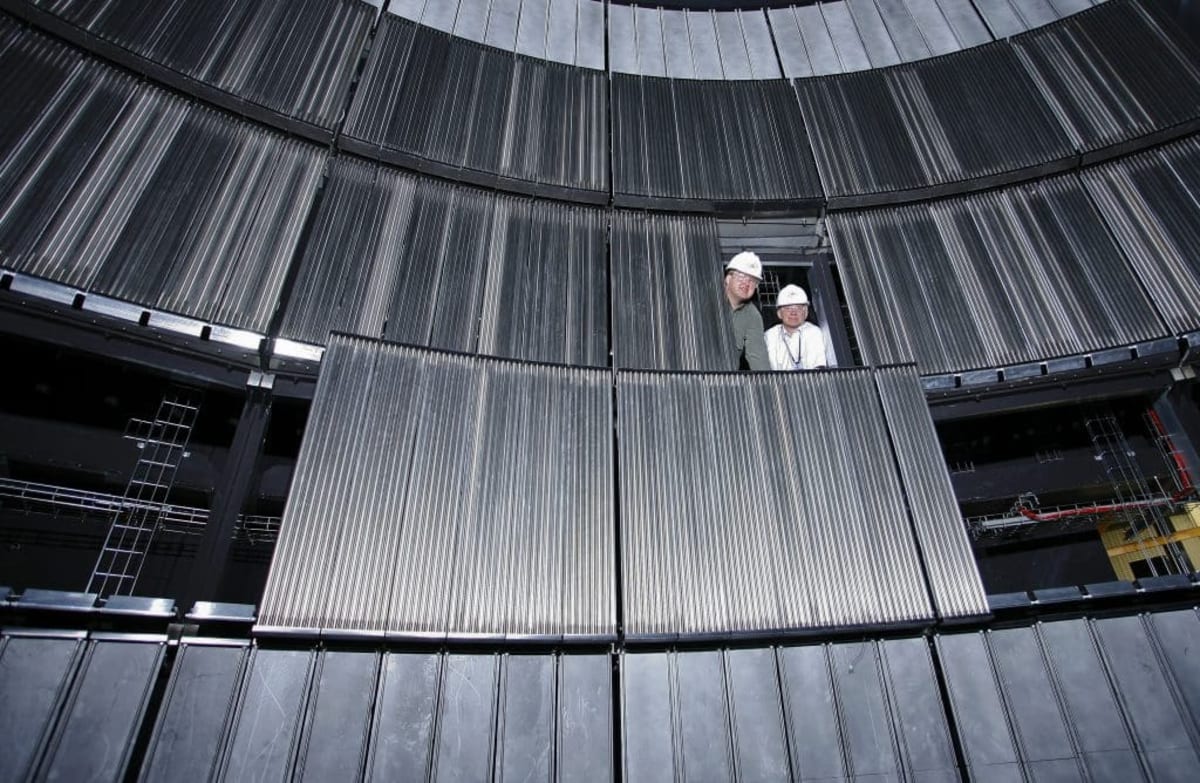
Chinese researchers have perfected a way to bond two critical fusion reactor materials, bringing us closer to clean, unlimited energy. The breakthrough solves a major engineering challenge that has limited fusion reactor development.

Researchers discovered how to transform ordinary materials into quantum superstars using their own internal energy instead of destructive lasers. This breakthrough could finally make advanced quantum devices practical and affordable.

Singapore is launching a groundbreaking materials innovation center that combines AI and advanced atomic processing to speed up semiconductor breakthroughs. The new hub aims to make Singapore a global leader in next-generation manufacturing.

Six international partners just pledged $42 million to fuel Africa's ambitious 10-year science and innovation strategy. The funding will help African nations build stronger research systems and solve local challenges through homegrown science.

A self-driving laboratory in Singapore will use robots and artificial intelligence to discover breakthrough materials faster than ever before. The collaboration between Danish firm ATLANT 3D and National University of Singapore could transform how we develop next-generation electronics and clean energy.
Showing 20 of 12869