BepiColombo Reaches Mercury After 8-Year Space Journey
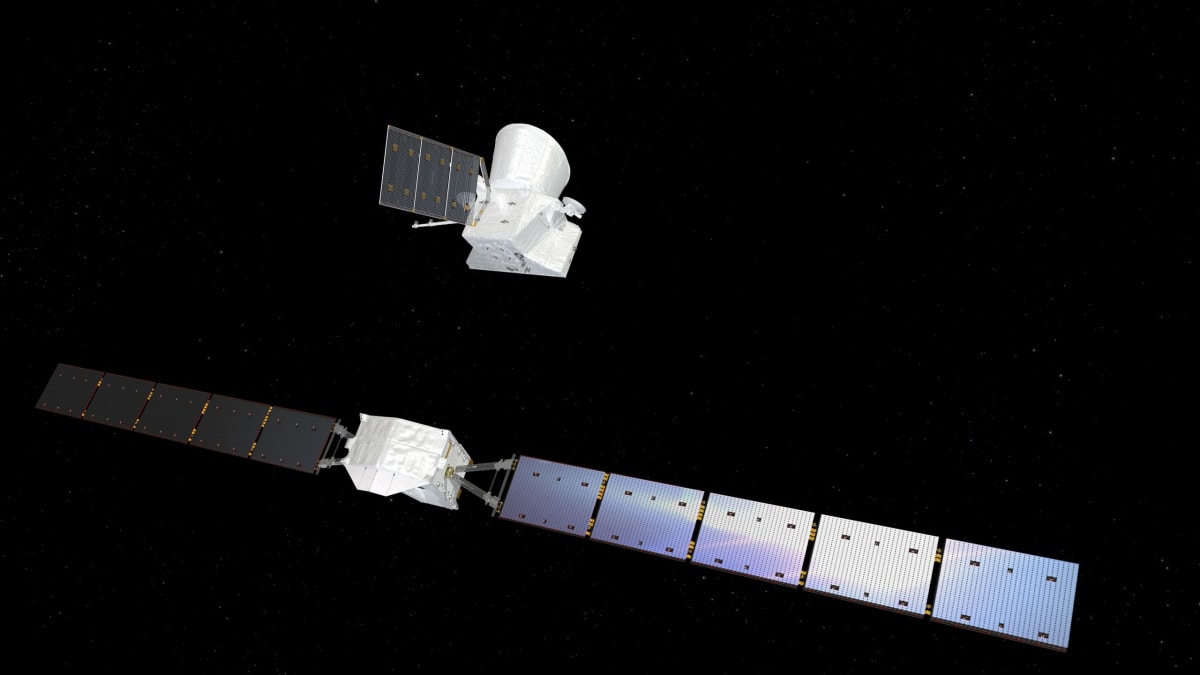
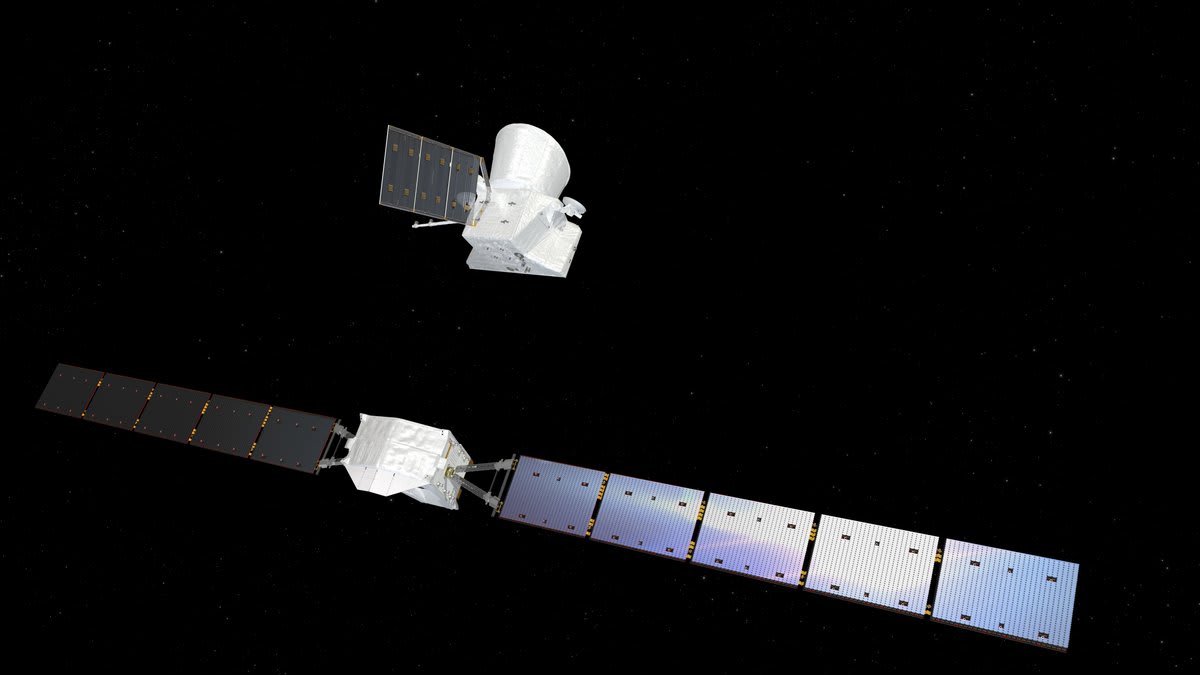
After eight years of traveling through space, the BepiColombo mission has successfully deployed its twin science orbiters at Mercury. Two spacecraft are now preparing to unlock secrets of our solar system's smallest, most mysterious planet.
Mercury is about to give up some of its secrets, and the wait is almost over.
After an eight-year journey through space, the BepiColombo mission reached a major milestone Thursday when its two science orbiters successfully separated from their transfer module. The European Space Agency and Japan Aerospace Exploration Agency watched their joint mission take its biggest step yet toward studying the solar system's smallest and least explored planet.
Getting to Mercury is no easy feat. The tiny planet sits closest to the sun, making it incredibly difficult to reach and even harder to study. Only one spacecraft, NASA's MESSENGER, has ever orbited Mercury before now.
The two newly deployed orbiters will work together to paint the most complete picture of Mercury we've ever had. The European orbiter will map the planet's surface and interior structure while testing Einstein's theory of general relativity. The Japanese orbiter will study Mercury's magnetic field and how it interacts with the sun.
But the mission isn't quite ready for its close-up yet. The two orbiters will stay joined together until November, when they'll enter Mercury's orbit. A month later, they'll split into separate paths, and full science operations will begin next April.
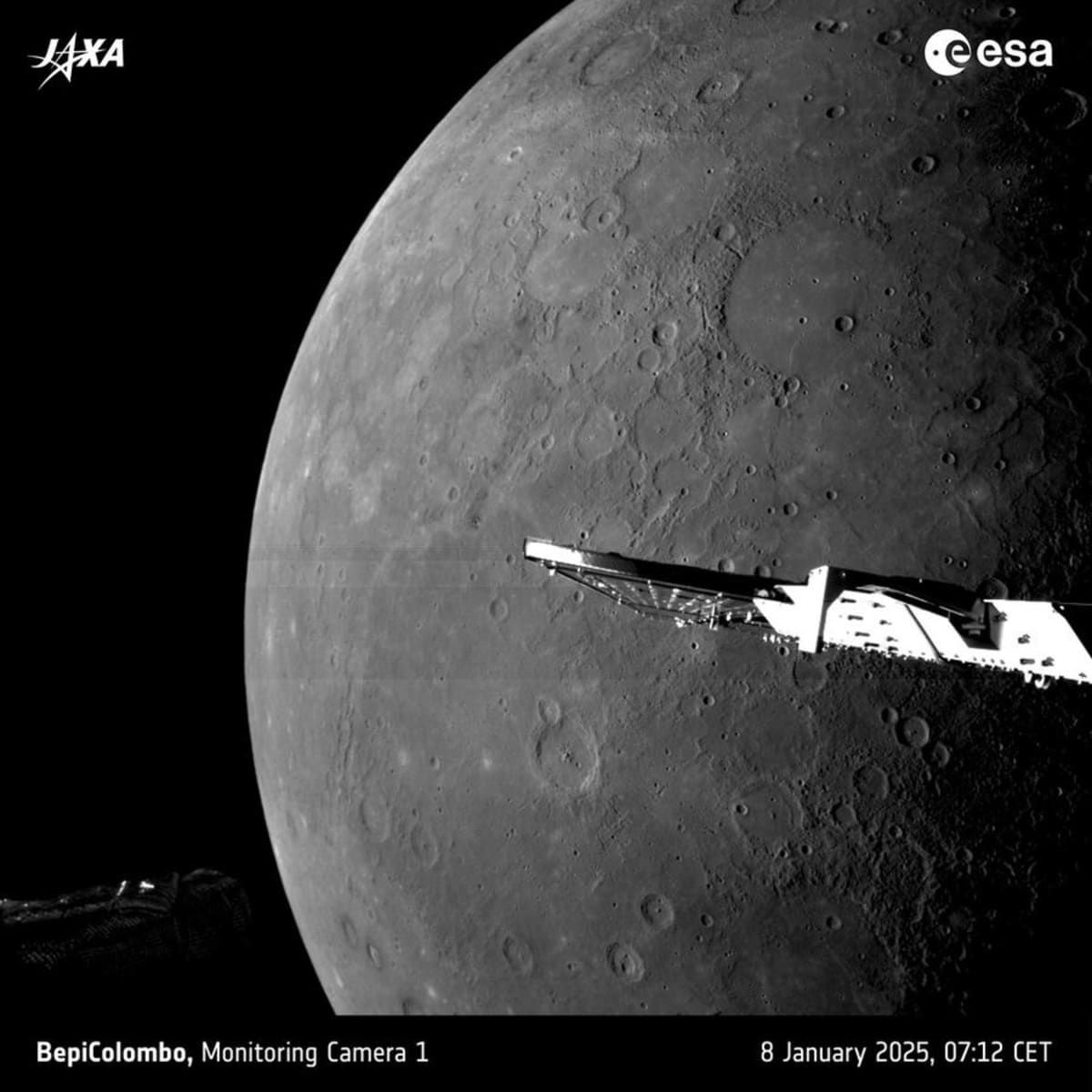
BepiColombo has already gotten some tantalizing glimpses of its destination. During a 2021 flyby, the spacecraft captured stunning photographs from just 123 miles above the surface. Those images revealed large regions where volcanic lava had smoothed over Mercury's heavily cratered surface.
Why This Inspires
This mission represents years of international collaboration and human ingenuity. Two space agencies from different continents worked together to overcome one of the hardest challenges in planetary exploration. Their patience and precision are about to pay off with discoveries that could reshape our understanding of how rocky planets form and evolve.
The data collected will help scientists understand not just Mercury, but also how planets close to their stars behave throughout the universe. Every answer brings new questions, and every question pushes humanity's knowledge a little further into the cosmos.
In April, when both orbiters begin their full scientific mission, we'll start receiving the most detailed information about Mercury ever collected. Scientists worldwide are ready to dig into the data and share what they find.
More Images

Based on reporting by Scientific American
This story was written by BrightWire based on verified news reports.
Spread the positivity!
Share this good news with someone who needs it