Berkeley Lab Builds AI to Speed Up Scientific Breakthroughs
Scientists at Lawrence Berkeley National Laboratory are leading a national effort to create self-improving AI tools that could solve major challenges in energy, health, and materials science. The Genesis Mission's ModCon program is building a foundation that helps researchers across the country make discoveries faster than ever before.
Imagine if artificial intelligence could help scientists discover new cancer treatments, clean energy solutions, and advanced materials in a fraction of the time it takes today.
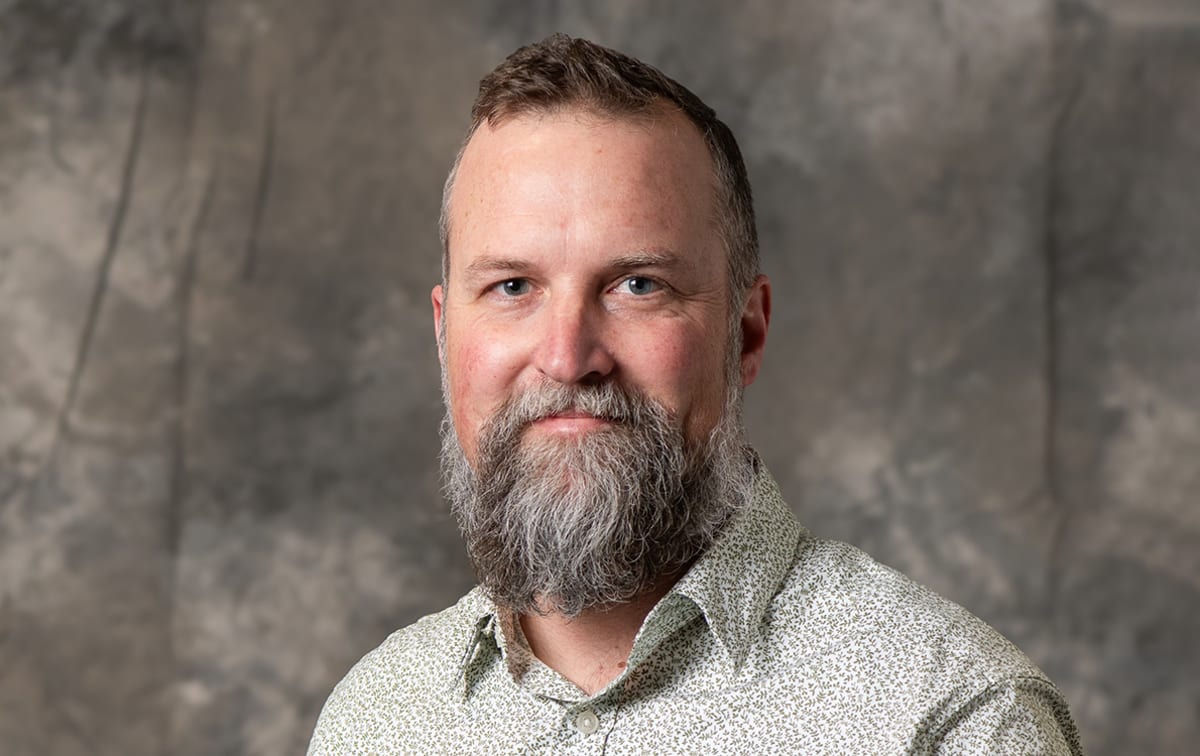
That's exactly what's happening at Lawrence Berkeley National Laboratory, where Director Stefan Wild is leading a groundbreaking effort called ModCon. This national initiative is creating AI tools that get smarter over time, helping researchers solve some of science's toughest puzzles.
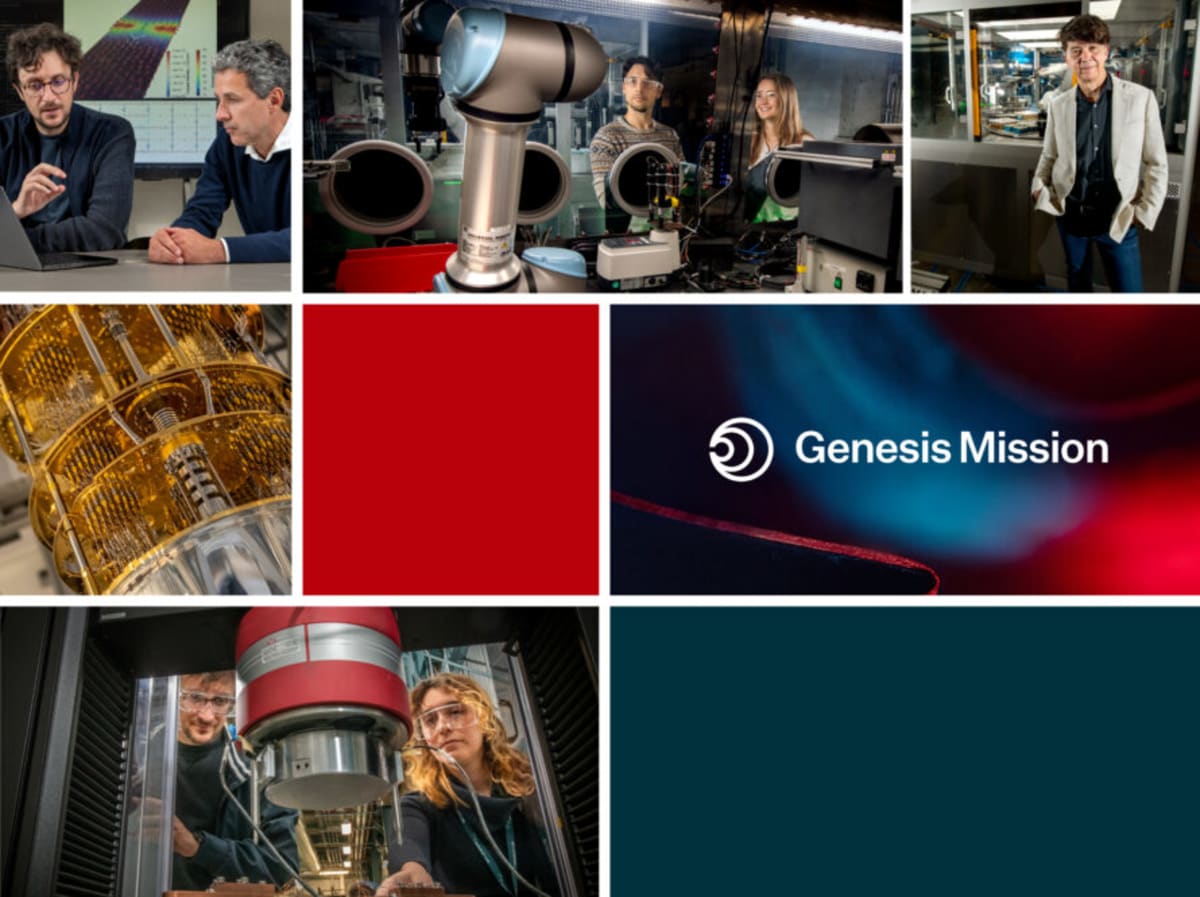
ModCon stands for Transformational AI Models Consortium, and it's the backbone of the Genesis Mission, a project designed to accelerate scientific discovery across America. Wild leads the BASE team, which builds the reusable AI methods that form the foundation for every Genesis Mission science project.
Think of BASE as the AI toolkit that every researcher can use. One of its key innovations is the Data Science Agent Toolkit, which automatically transforms raw scientific data into training-ready form for AI models. It's like having a tireless assistant that prepares data so scientists can focus on making discoveries.
Berkeley Lab brings something special to this effort. Over the past decade, its researchers have been pioneering scientific machine learning, creating everything from mathematical foundations to practical software that delivers real breakthroughs. The lab's expertise spans materials science, biology, physics, and environmental science.
The Genesis Mission Proving Ground, another BASE creation, tracks how well AI models perform across multiple scientific measures. This ensures the AI doesn't just work fast but produces valid, trustworthy results that scientists can rely on.
Why This Inspires
What makes this effort truly exciting is how it brings together government labs, universities, and private companies to tackle challenges no single group could solve alone. Berkeley Lab has been doing this since 1931, earning 17 Nobel Prizes by believing the biggest problems need the best teams.
The ModCon effort involves every science area at Berkeley Lab, creating a collaborative powerhouse that combines world class facilities with cutting edge AI capabilities. Researchers from around the world already rely on Berkeley Lab's scientific facilities for their own pioneering work.
Now, with AI that learns and improves itself, those facilities become even more powerful. The same tools being developed could help discover new materials for solar panels, identify promising drug candidates, or model climate solutions with unprecedented speed and accuracy.
This isn't science fiction or distant future technology. These AI systems are being built and deployed right now, ready to accelerate the kind of discoveries that improve lives and solve real world problems in energy, health, and national security.
Scientific breakthroughs that once took years might soon take months, bringing hope and solutions to challenges we face today.
More Images
Based on reporting by Google: scientific discovery
This story was written by BrightWire based on verified news reports.
Spread the positivity!
Share this good news with someone who needs it