Bhutan Hosts First Conscious Food Summit for Global Change
Bhutan is bringing together 60 countries to reimagine how the world grows, shares, and thinks about food. The tiny Himalayan nation believes spiritual connection and science together can solve our biggest food challenges.
Every morning at 5am, Bhutan's prime minister sits by a stream near his home, eating porridge and listening to birds. It's a simple practice that captures what his country hopes to share with the world.
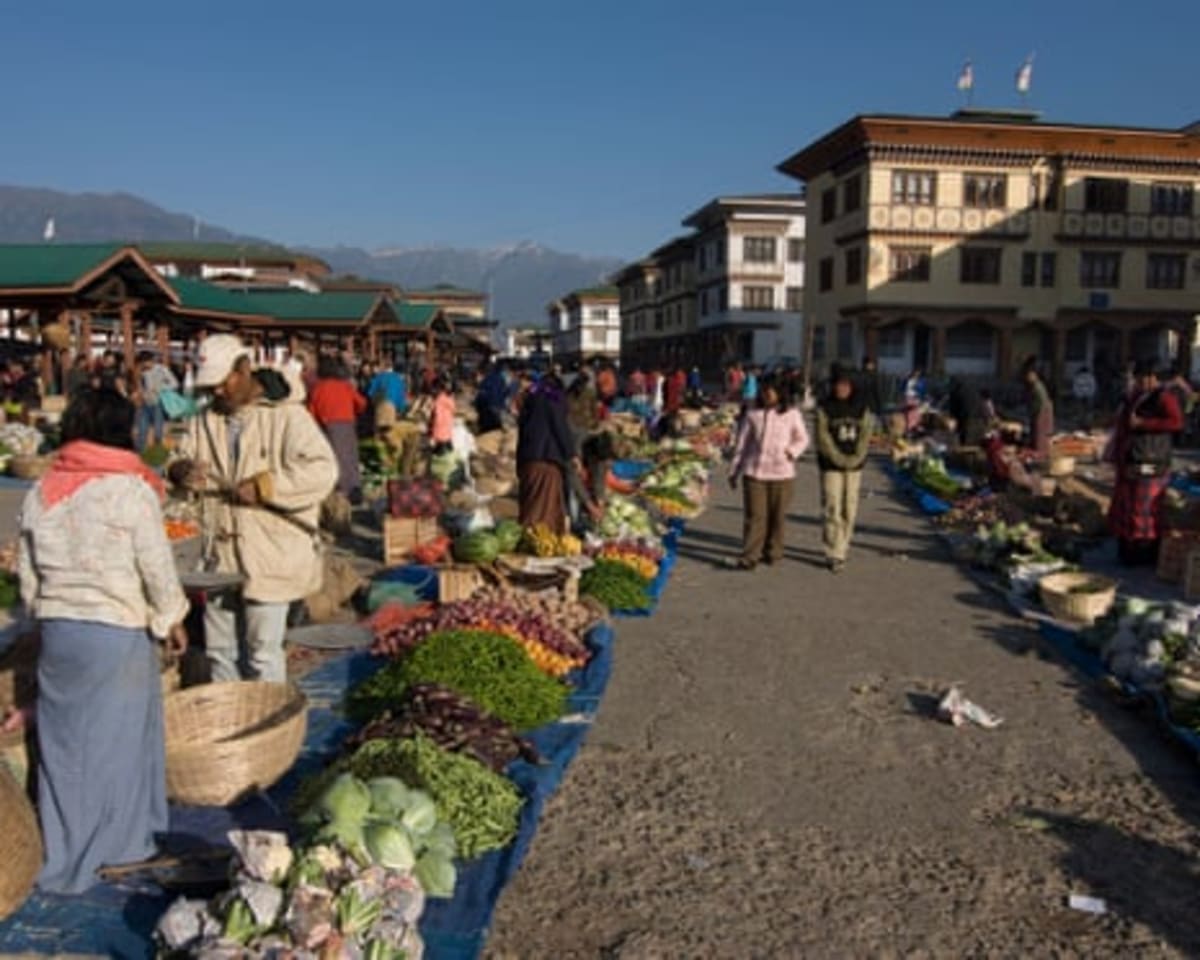
For the next five days, delegates from more than 60 countries are gathering in Paro, Bhutan for the world's first "conscious food summit." The groundbreaking event brings together farmers and governments, mindfulness experts and yoga therapists, all working toward one goal: building food systems that heal rather than harm.
Prime Minister Tshering Tobgay believes the solution isn't just better technology or more intensive farming. "Food lies at the intersection of many of the defining challenges of our time," he told the Guardian. "Transforming our food systems requires both inner and outer change."
The summit focuses on conscious eating, a practice many cultures have long embraced. It means pausing before meals to reflect on where food comes from, who grew it, and the journey it took to reach your plate. These moments of gratitude, Tobgay says, could spark a revolution in how we treat the planet and each other.
The timing couldn't be more crucial. Climate disasters like last week's glacial collapse in neighboring Nepal highlight the fragility of current food systems. The World Food Programme warns that 50 million people could face starvation as extreme weather devastates harvests worldwide.
But this summit takes a different approach than typical policy conferences. Instead of political speeches and grand promises, it emphasizes inner transformation alongside practical solutions. Spiritual masters and mindfulness practitioners will guide discussions about rebuilding humanity's broken relationship with food.
Jerry Spooner from Regenerative Vanua, a Pacific NGO, sees this as the moment to shift priorities. "The opportunity in Bhutan is to move beyond discussing how we produce more food and instead focus on how we build food systems that regenerate ecosystems, strengthen communities, celebrate culture and improve our collective resilience," he explained.
The summit champions regenerative farming practices and indigenous knowledge that have sustained communities for generations. Tobgay emphasizes that consciousness and science aren't opposing forces. "It means recognizing that our values and mindsets influence how science, policy, finance and technology are used," he said.
One key message resonates throughout: farmers and rural communities must shape food policy, not just respond to it. "Too often, policies are developed for these groups rather than with them," Tobgay noted.
The Ripple Effect
What happens when a small nation decides big change starts from within? Bhutan, famous for measuring Gross National Happiness instead of just economic growth, is applying that same wisdom to global food security. The summit demonstrates that solutions don't always come from the biggest countries or loudest voices.
By combining ancient wisdom with modern science, Bhutan offers a blueprint for conscious agriculture that protects land, honors farmers, regenerates soil, and reduces pollution. These aren't abstract concepts but practical steps any country can take.
Anyone can practice conscious eating today. Many cultures already have traditions of giving thanks before meals or acknowledging the hands that prepared food. Reviving these simple practices costs nothing but attention.
Bhutan proves that even the smallest nations can lead the way toward a healthier, more connected world.
More Images


Based on reporting by Guardian Environment
This story was written by BrightWire based on verified news reports.
Spread the positivity!
Share this good news with someone who needs it

%2Fhttps%3A%2F%2Ftf-cmsv2-smithsonianmag-media.s3.amazonaws.com%2Ffiler_public%2F1a%2F72%2F1a72d8cc-970c-48cf-83f6-b16e605ff5c0%2Flow-res_f26-plastic-cookies-hr.jpg)