%2Fhttps%3A%2F%2Ftf-cmsv2-smithsonianmag-media.s3.amazonaws.com%2Ffiler_public%2F1a%2F72%2F1a72d8cc-970c-48cf-83f6-b16e605ff5c0%2Flow-res_f26-plastic-cookies-hr.jpg)
Scientists Turn Plastic Waste Into Edible Protein Cookies
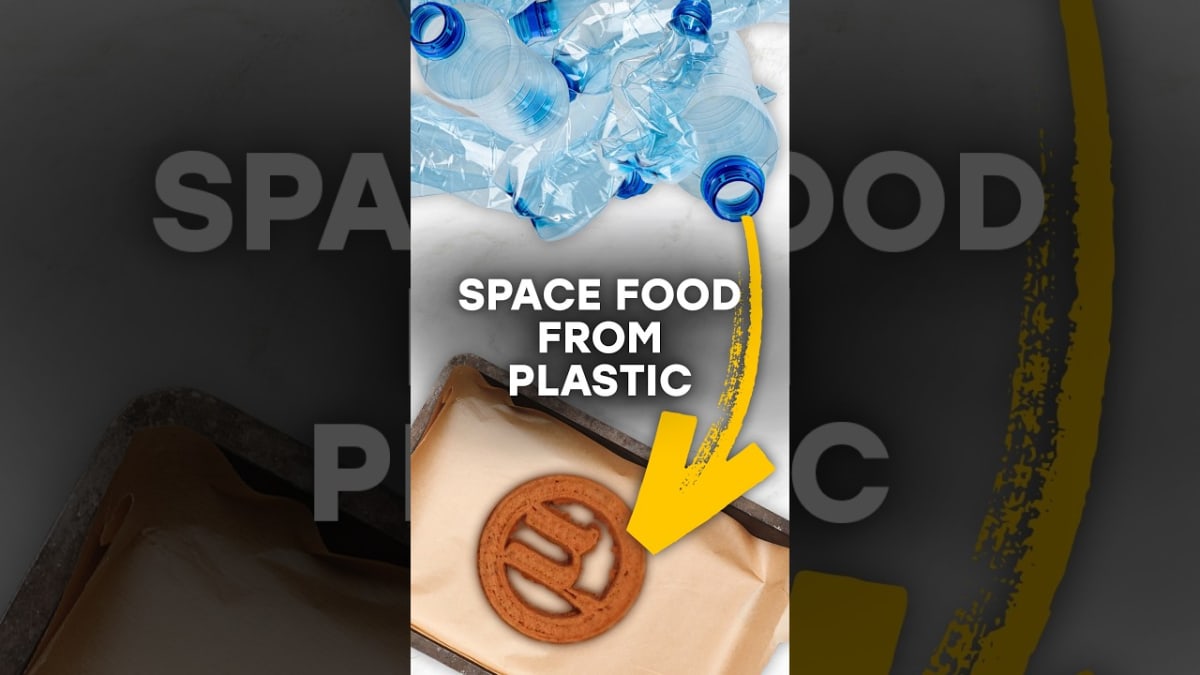
Researchers have created cookies made from upcycled plastic bottles and agricultural waste using specially programmed yeast. The innovation could help feed astronauts on Mars missions and address hunger in disaster zones.
Imagine turning an empty water bottle into your afternoon snack. Scientists at Southern Illinois University just made that possible.
Researchers unveiled µBites (pronounced "microbites") at the American Chemical Society meeting in Chicago this August. These aren't your typical chocolate chip cookies. They're made from recycled plastic bottles and leftover corn stalks, transformed into edible protein through the power of microbes.
The process sounds like science fiction but works surprisingly simply. The team uses heat, pressure, water and oxygen to break down plastics like PET bottles and plant waste into tiny molecules. Then genetically engineered yeast strains eat those molecules and convert them into proteins, fats and acids.
The researchers recently took things further. Microbiologist Sandhya Jayasekara programmed the yeast to create vanillin, the compound that gives vanilla its flavor and smell. The microbes also produce beta-carotene, which your body converts into vitamin A.
Mix in some fiber, starch and sweetener, and you've got cookie dough that feeds through a 3D printer. Out come protein-rich cookies that actually smell good, according to people who've sniffed them.
NASA commissioned the project as part of the Deep Space Food Challenge. Astronauts heading to Mars face a three-year round trip with limited cargo space. "You have to use everything you have," says microbiologist Lahiru Jayakody, who worked on the research.
The cookies could serve purposes beyond space travel. Jayakody envisions them helping in disaster zones where food is scarce. With global food demand expected to rise up to 56 percent by 2050, he believes microbe-based solutions could tackle coming hunger crises.
Why This Inspires
Nobody's actually tasted the cookies yet. The team needs institutional approval before conducting taste tests, but their safety data looks promising. Most people who smelled the cookies said they'd eat them in resource-limited situations, even if they wouldn't choose them over regular treats at the grocery store.
The innovation shows how creative thinking can address multiple problems at once. The same process that reduces plastic waste and agricultural scraps also creates nutrition where traditional farming isn't possible.
Scientists outside the project have mixed reactions. Some question whether it's practical for solving Earth's plastic crisis when we produce 400 million tons of waste yearly. Others call it an exciting demonstration of biological upcycling's potential, though questions remain about scaling up production.
Jayakody hopes the cookies will be ready for public consumption within a few years. Whether people embrace eating upcycled plastic remains uncertain, but the technology proves we can transform waste into something life-sustaining.
More Images
%2Fhttps%3A%2F%2Ftf-cmsv2-smithsonianmag-media.s3.amazonaws.com%2Ffiler_public%2F1a%2F72%2F1a72d8cc-970c-48cf-83f6-b16e605ff5c0%2Flow-res_f26-plastic-cookies-hr.jpg)
%2Fhttps%3A%2F%2Ftf-cmsv2-smithsonianmag-media.s3.amazonaws.com%2Ffiler_public%2F1a%2F72%2F1a72d8cc-970c-48cf-83f6-b16e605ff5c0%2Flow-res_f26-plastic-cookies-hr.jpg)
%2Fhttps%3A%2F%2Ftf-cmsv2-smithsonianmag-media.s3.amazonaws.com%2Faccounts%2Fheadshot%2FMargherita_Bassi.png)
Based on reporting by Smithsonian
This story was written by BrightWire based on verified news reports.
Spread the positivity!
Share this good news with someone who needs it