Bionic Hands Train Robots to Handle Delicate Objects
A prosthetic hand designed for amputees is now teaching robots how to grip fragile items with human-like sensitivity. Real-world touch data from people using bionic hands could solve one of robotics' toughest challenges.
Robots can lift heavy loads and work tirelessly, but ask one to pick up an egg without crushing it, and you'll see the problem. That delicate human touch we take for granted has been nearly impossible to replicate in machines.
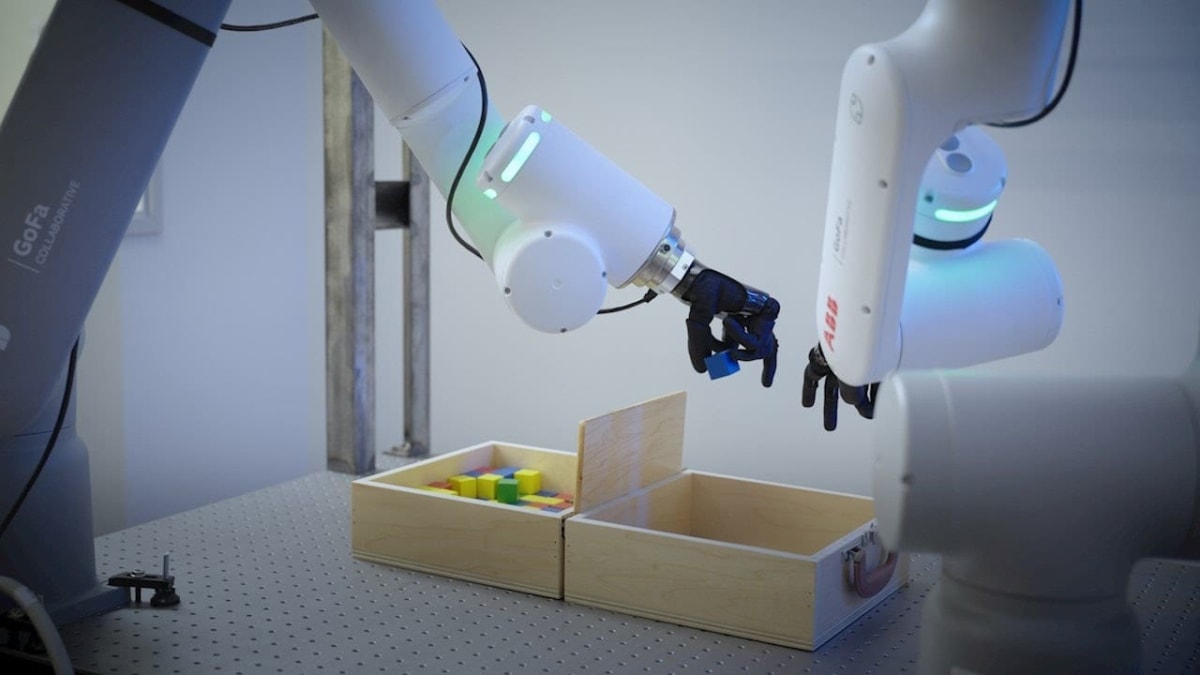
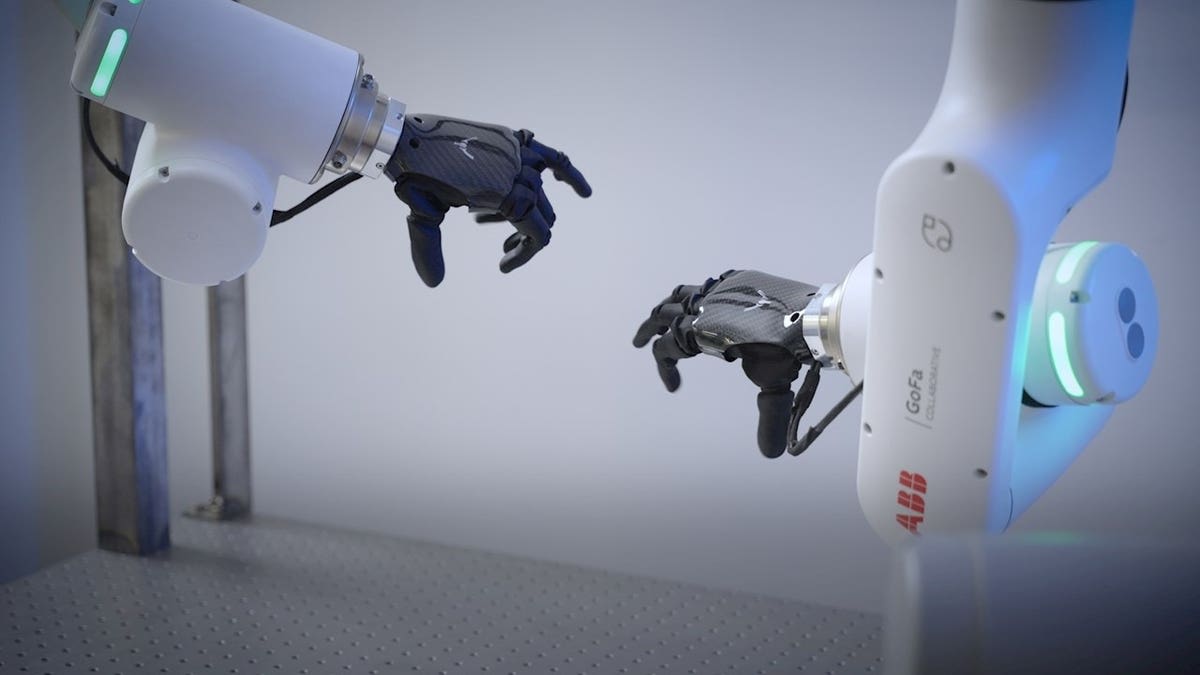
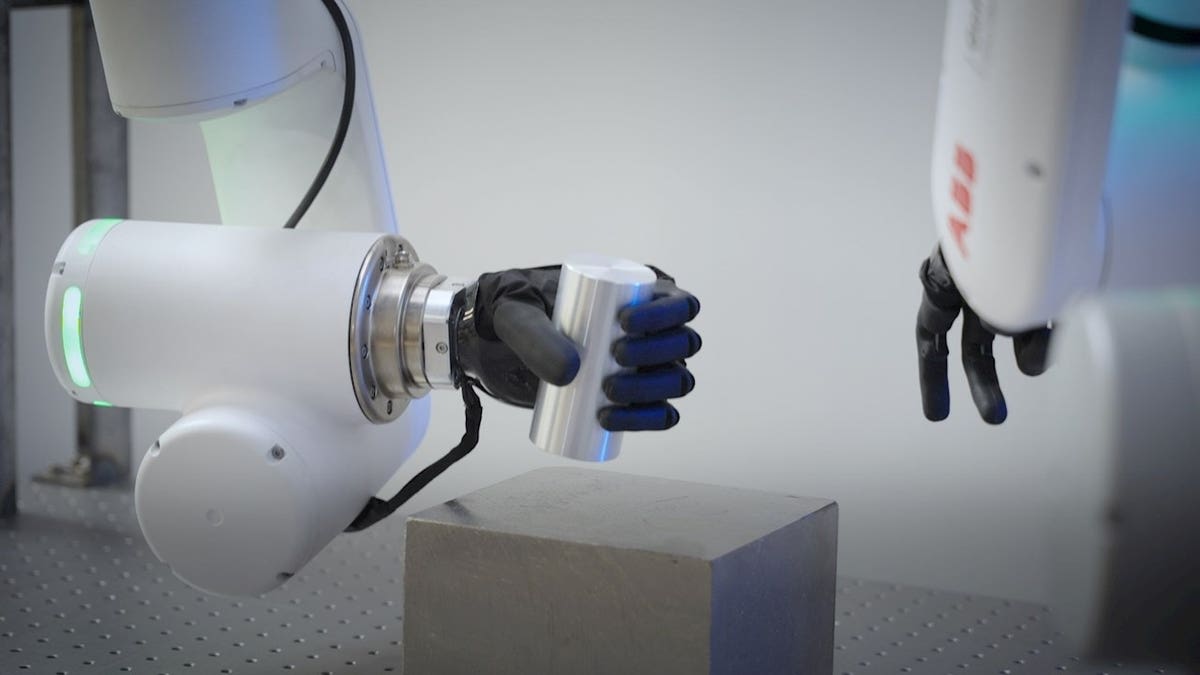
Now ABB Robotics and California bionics company PSYONIC are partnering on a solution that started with helping people. PSYONIC's Ability Hand was originally designed as a prosthetic device for amputees, equipped with pressure sensors, vibration feedback, and flexible fingers that adapt to different objects.
The breakthrough idea is simple but brilliant. Every time someone uses an Ability Hand to grip a coffee cup, hold a tool, or catch a ball, the prosthetic collects data about pressure, movement, and touch. That real-world information from actual human use could teach robots what our hands figured out millions of years ago.
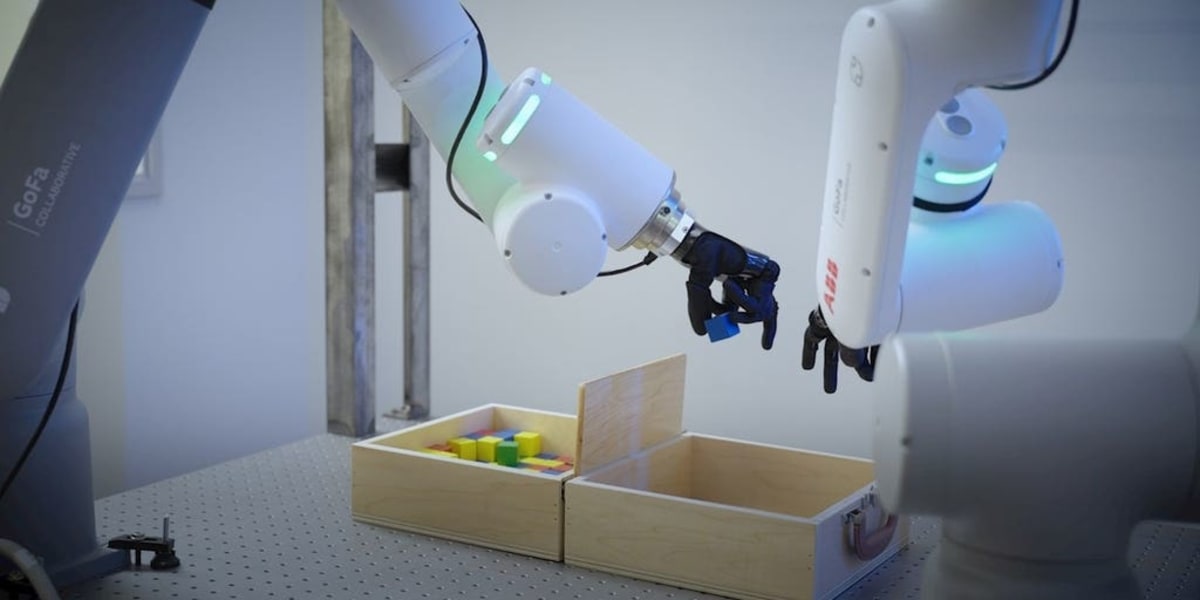
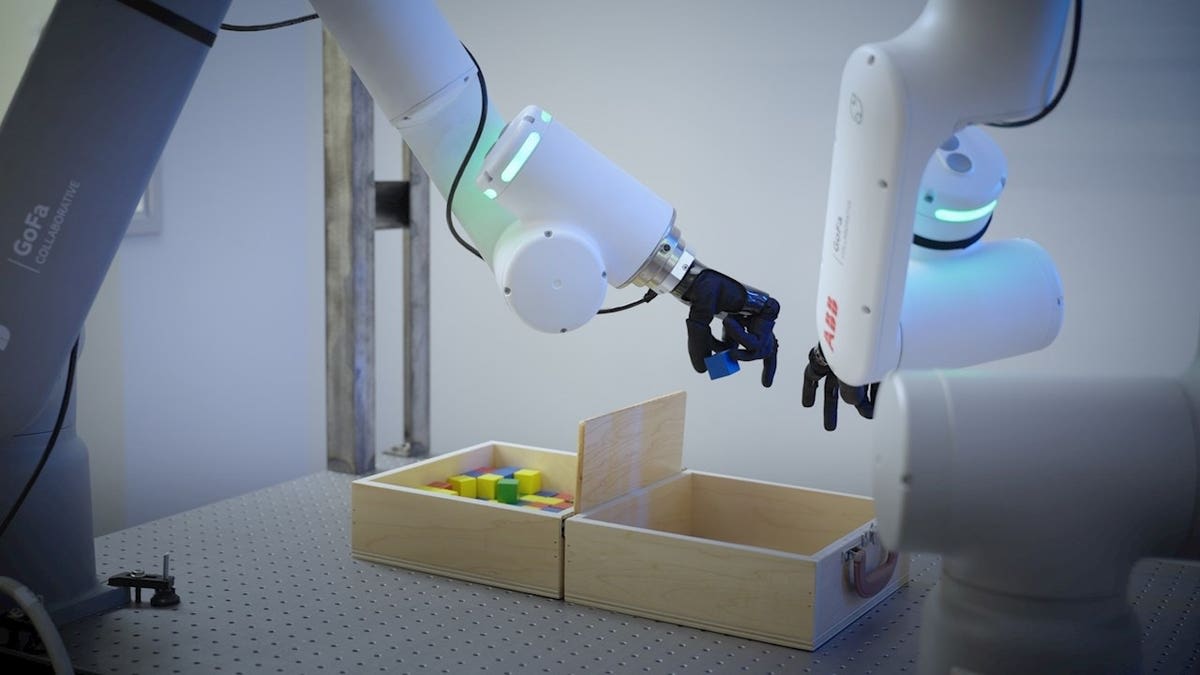
ABB is testing this approach with their GoFa cobot, a collaborative robot designed to work alongside humans. The robot arm learns from the bionic hand's grip data, then applies those lessons to factory tasks like handling soft packages, medical components, or irregularly shaped items.
Dr. Aadeel Akhtar, PSYONIC's founder and CEO, calls dexterous manipulation "a data challenge as much as a hardware challenge." He's right. The hardware exists, but robots need to learn the subtle adjustments we make without thinking when we switch from holding a phone to cradling an egg.
Marc Segura, president of ABB Robotics, says human dexterity remains "one of the most difficult things to replicate in industrial-grade robotics." This collaboration could finally close that gap.
The Ripple Effect
This technology could transform industries from automotive to healthcare, where delicate handling matters most. Robots that can adjust their grip like humans could speed up packaging lines, reduce product damage, and handle fragile medical supplies with confidence.
The International Federation of Robotics estimates that advanced gripping technology could cut engineering setup time by 30 percent. That means companies could deploy helpful robots faster and in more varied roles.
There's a human benefit too. Workers currently doing repetitive gripping tasks that strain hands and wrists could shift to less physically demanding roles. Robots would handle the wear and tear while people focus on work that needs human judgment and creativity.
The partnership shows how technology designed to help individuals can create breakthroughs that benefit everyone. A prosthetic hand giving independence to amputees is now teaching the next generation of factory robots to work with a gentler touch.
More Images
Based on reporting by Fox News Tech
This story was written by BrightWire based on verified news reports.
Spread the positivity!
Share this good news with someone who needs it