Bird Lost for 94 Years Found in Chad's Wetlands
French and Chadian birders photographed the rusty lark in February 2026, a species unseen by scientists since 1931. The accidental discovery could help secure conservation funding for Chad's overlooked wetland habitats.
After nearly a century of silence, a tiny rust-colored bird has reappeared in the wetlands of central Chad, giving scientists their first-ever photographs of one of Africa's most mysterious species.
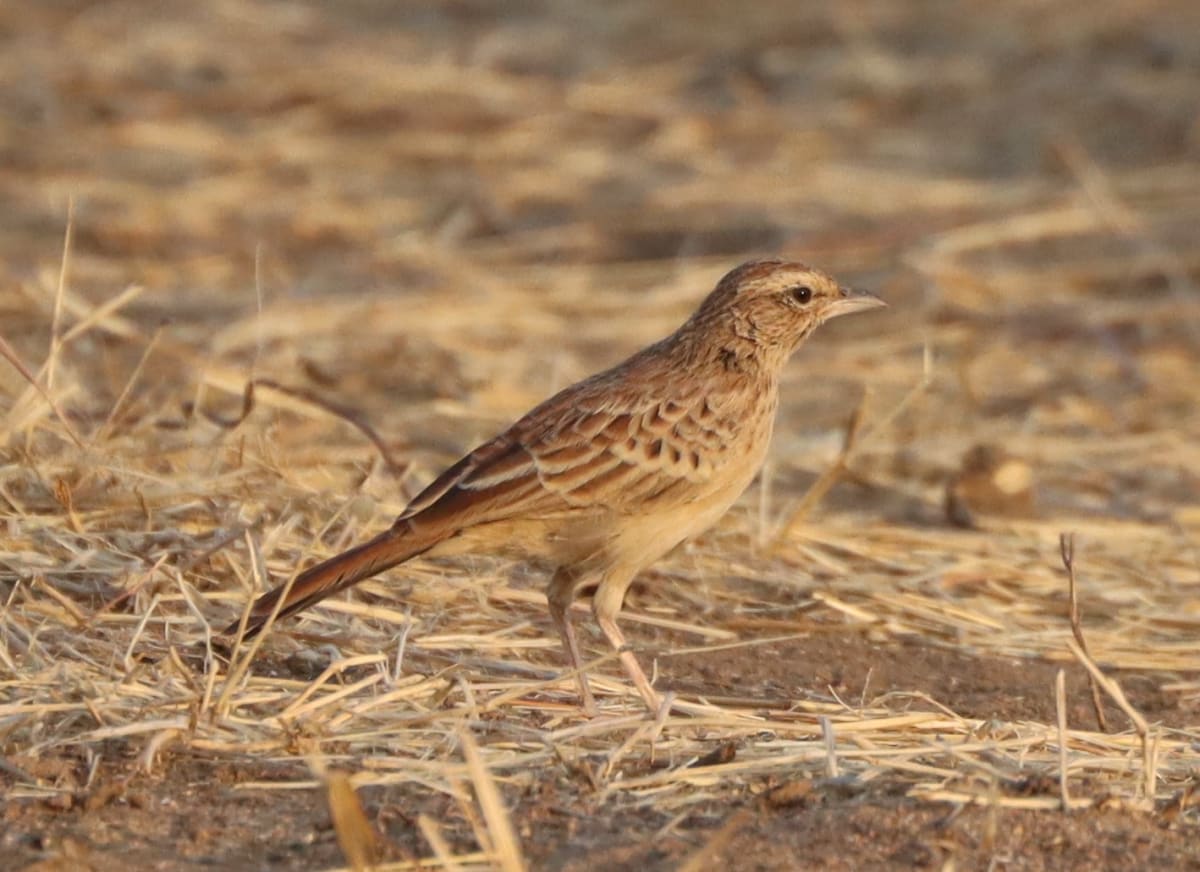
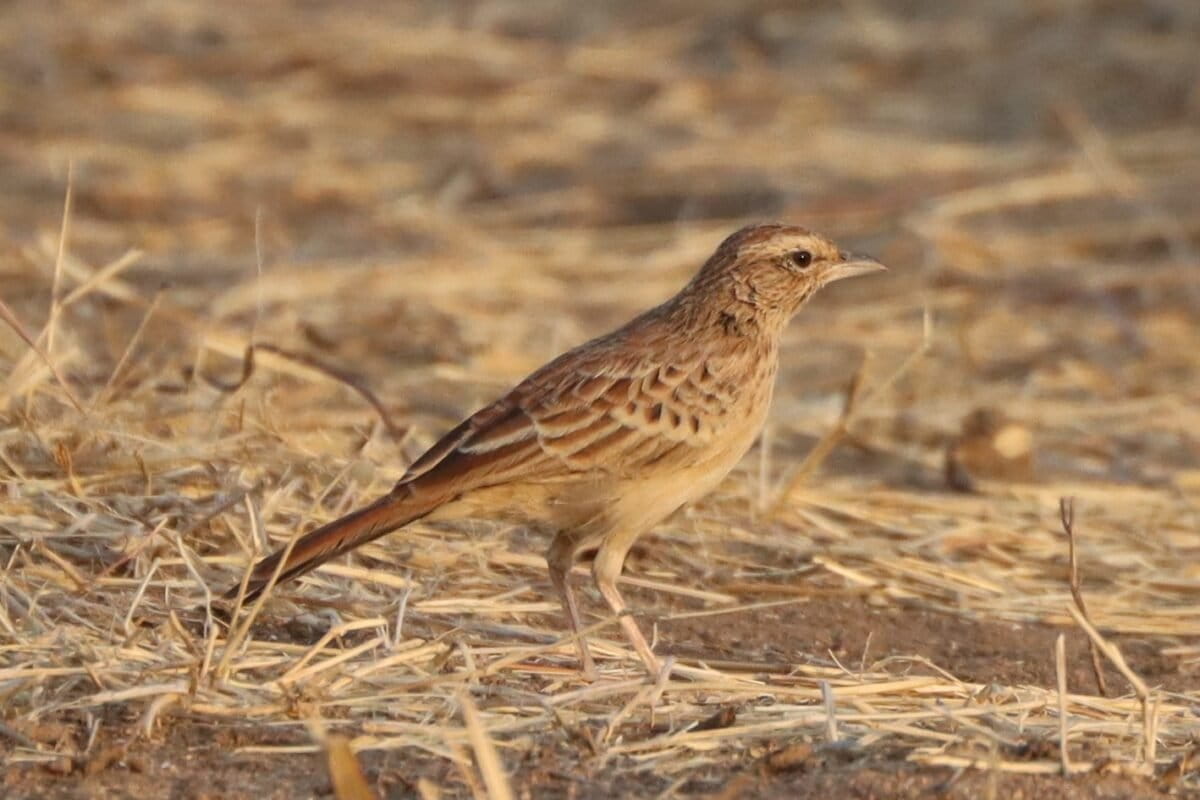
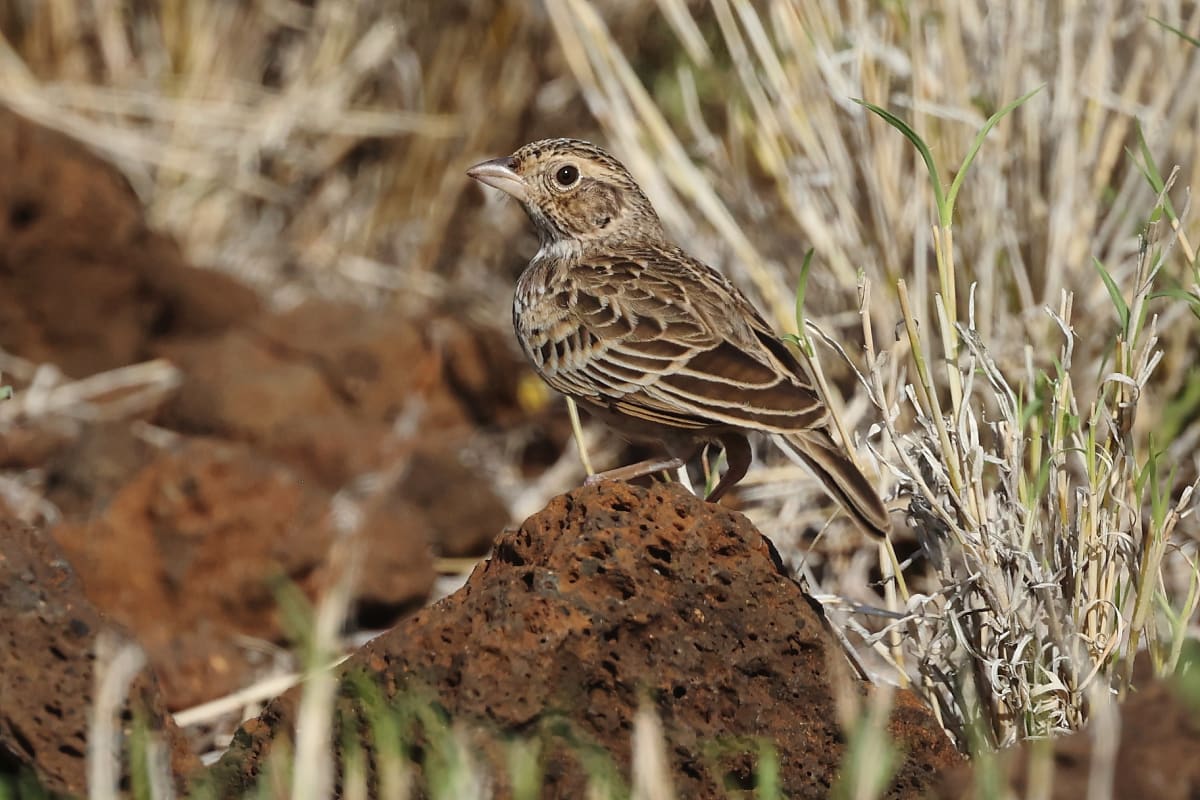
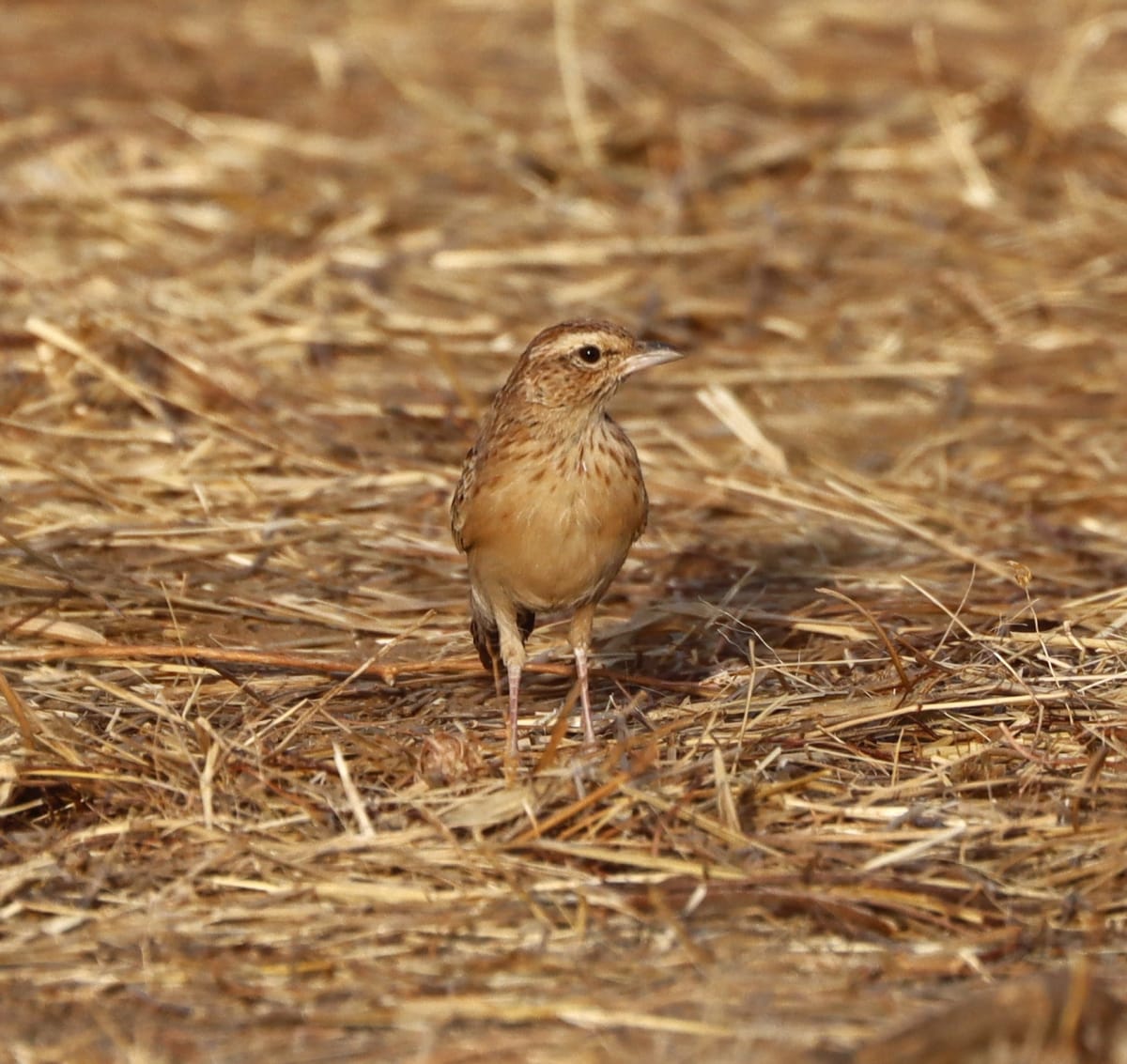
French ornithologists Pierre Defos du Rau and Julien Birard were searching for a different rare bird on February 2, 2026, when a lone lark caught their attention at Abou Telfane Game Reserve. After 20 minutes of careful pursuit, they captured the first photographs of a rusty lark, a species that hadn't been documented since 1931.
The rusty lark stands about six inches tall and sports striking rust-red and black feathers. Scientists last recorded it in what is now Niger 94 years ago, and it had been added to the Lost Bird List, a catalog of species that vanished from scientific records for more than a decade.
The birders were joined that day by Idriss Dapsia and Abakar Saleh Wachoum from Chad's wildlife department as part of a France-Chad collaboration to monitor biodiversity. Their years of meticulous preparation paid off when they realized what they'd found.
"We went through all the possibilities and kept coming to the conclusion that it fit the description of a rusty lark, but we didn't really dare to believe it," Birard said. Within hours of emailing experts, their identification was confirmed with enthusiasm.
The team spotted the same individual on three separate occasions in mid-February. The discovery proves the species still survives in the arid grasslands of the Sahel, though scientists know almost nothing about its life cycle, habitat needs, or population size.
The Ripple Effect
This rediscovery brings more than scientific excitement. Chad's wetlands lack the elephants and lions that typically attract conservation dollars, making it harder to secure funding for habitat protection. A charismatic "lost bird" could change that story.
The wetlands where the rusty lark lives face serious pressures from urban development, agriculture, and climate-driven droughts. Migratory birds that visit these areas also face hunting in conflict zones where food is scarce.
The birding team has surveyed Chad's wetlands since 2016, documenting species that cross the Mediterranean and Sahara to overwinter in the Sahel. Their patient, detailed work creates the foundation for protecting these vital stopover sites.
Sometimes the most important discoveries happen when you're looking for something else entirely, and a small rust-colored bird might just save an entire ecosystem.
More Images

Based on reporting by Mongabay
This story was written by BrightWire based on verified news reports.
Spread the positivity!
Share this good news with someone who needs it