Blind Nigerian Tests New App Navigating Chaotic Lagos
When a blind journalist forgot his white cane before traveling through one of Africa's most hectic cities, he became the real-world tester for a groundbreaking navigation app that just launched on Android. His journey through Lagos revealed both the promise and current limits of assistive technology designed for Africa.
The moment the bus pulled away, panic set in. A blind journalist had just left his home in Agbara without his white cane, the tool that helps him detect slopes, gutters, people, and obstacles.
He was headed to Lagos, a city famous for its beautiful chaos. For most blind Nigerians, independence isn't optional, even when conditions aren't perfect.
That morning became an unexpected test run for EyeGuide, a navigation app created by Charles Ayere specifically for blind people in Nigeria. Two months earlier, the app only worked on iPhones, locking out most blind Nigerians who use more affordable Android devices.
A quick message to Ayere brought good news. The Android version was ready. Within 30 minutes, a download link arrived, and the journalist installed it with just minutes to spare before reaching Mile 2, home to one of West Africa's largest food markets.
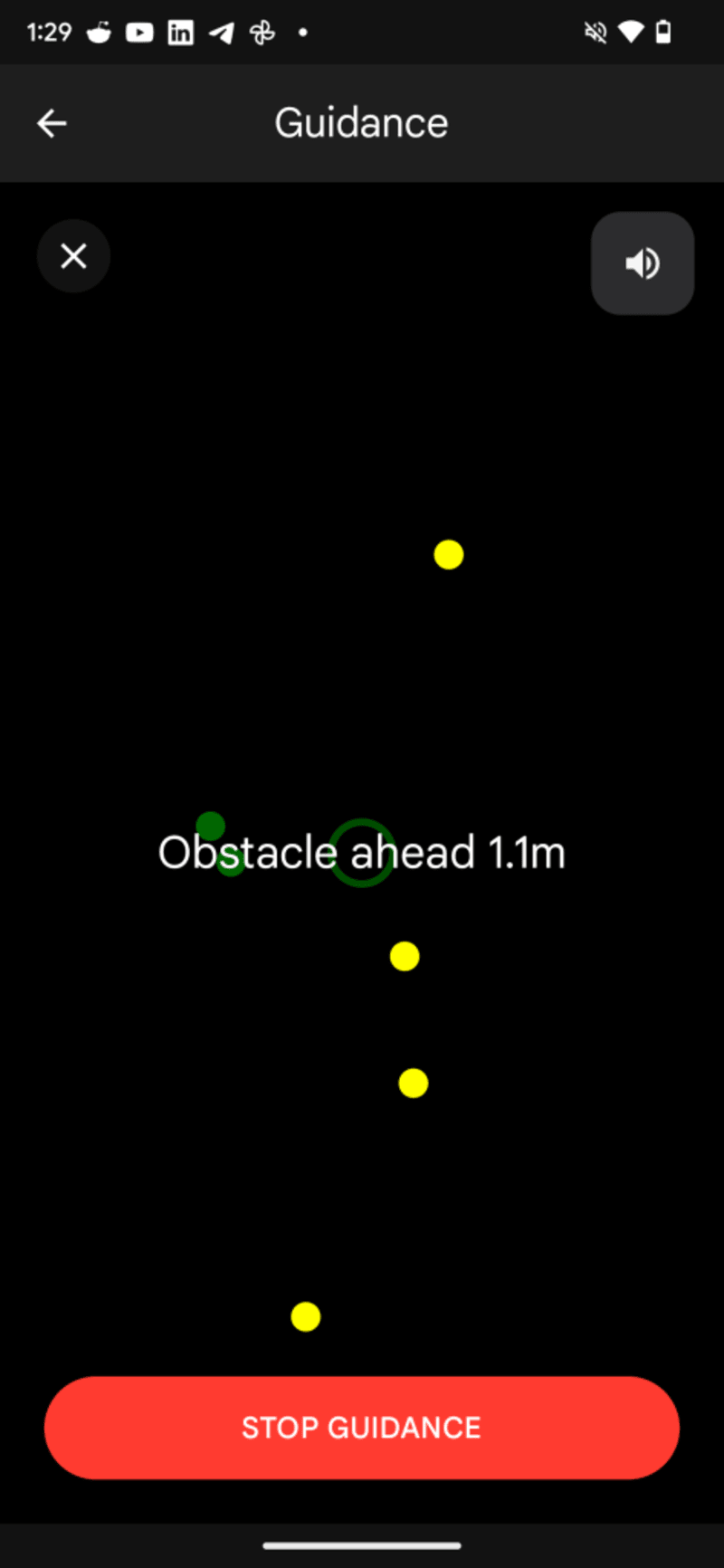
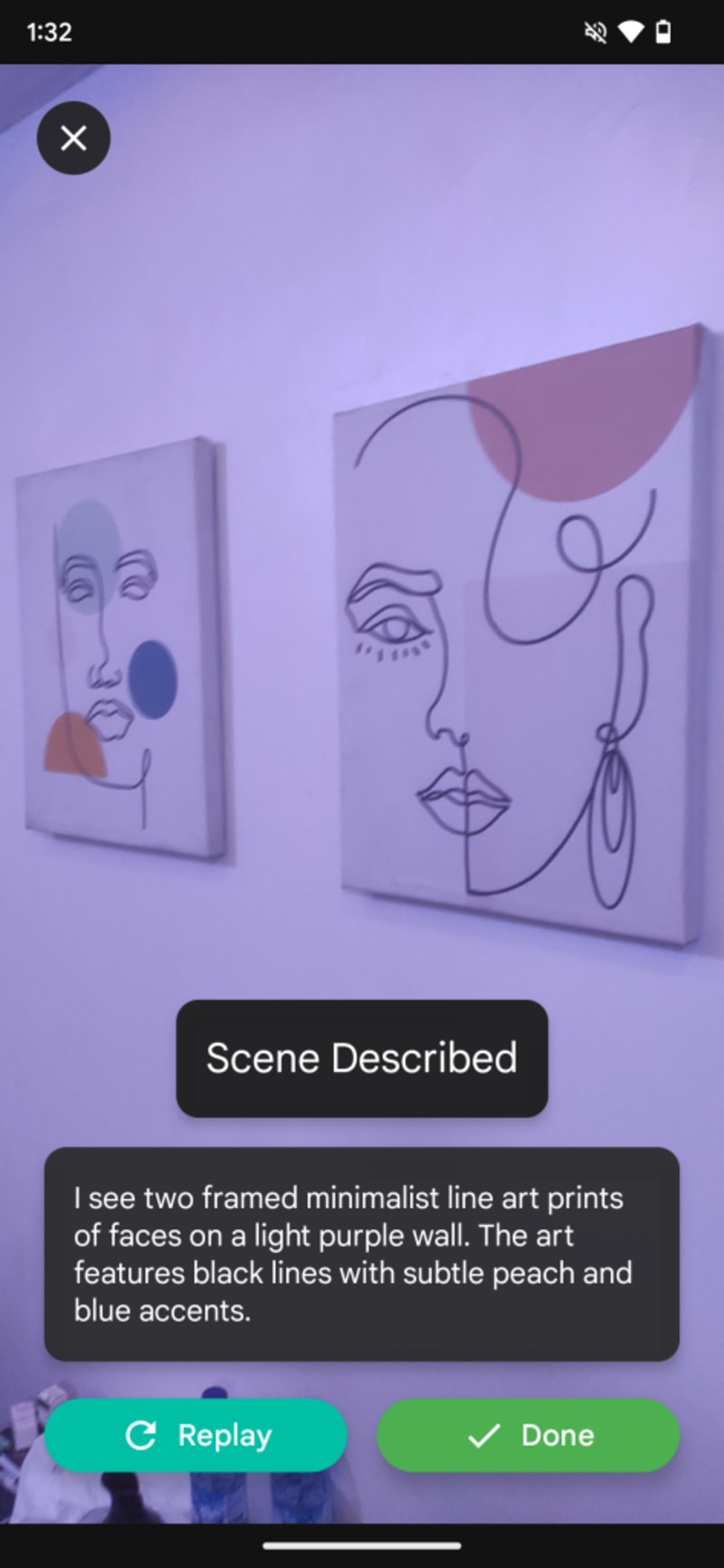
EyeGuide uses augmented reality and phone sensors like the gyroscope and magnetometer to measure distances to objects. It translates this information through vibrations and audio alerts, continuously scanning surroundings and warning users about obstacles and people nearby.
The first walkway tested the limits immediately. Constant beeping and vibrations flooded in as the app detected every person on the crowded path while also warning about the nearby road edge.
The sensitivity settings helped tone down the alerts. But crossing roads revealed a harder truth: drivers in Lagos rarely slow down, and the app couldn't determine when it was safe to cross.
After waiting 13 minutes for human assistance at a busy intersection, the journey continued. In quieter areas, following the app's cues became straightforward and reliable.
Why This Inspires
What makes EyeGuide different is its focus on African users. While global tech companies often overlook accessibility needs in developing countries, Ayere built this solution specifically for where blind Nigerians actually are: on Android phones, navigating cities without accessible pedestrian signals or precise map data.
The app can't yet provide turn-by-turn directions to exact building entrances, a crucial gap that Ayere acknowledges. Solving it would require crowdsourced data models since existing African map data lacks the necessary precision.
But the foundation is solid. A blind person navigated one of Africa's most challenging cities without their primary mobility tool and reached their destination safely.
That day proved assistive technology doesn't need to be perfect to be powerful. It just needs to meet people where they are, with tools they can actually access.
The white cane remains irreplaceable, but for blind Nigerians with smartphones, independence just got a meaningful upgrade.
More Images
Based on reporting by TechCabal
This story was written by BrightWire based on verified news reports.
Spread the positivity!
Share this good news with someone who needs it
_07_03_2026_03_50_21_133108.jpg)