Bolivia Protects 2.2M Acres With Indigenous-Led Plan
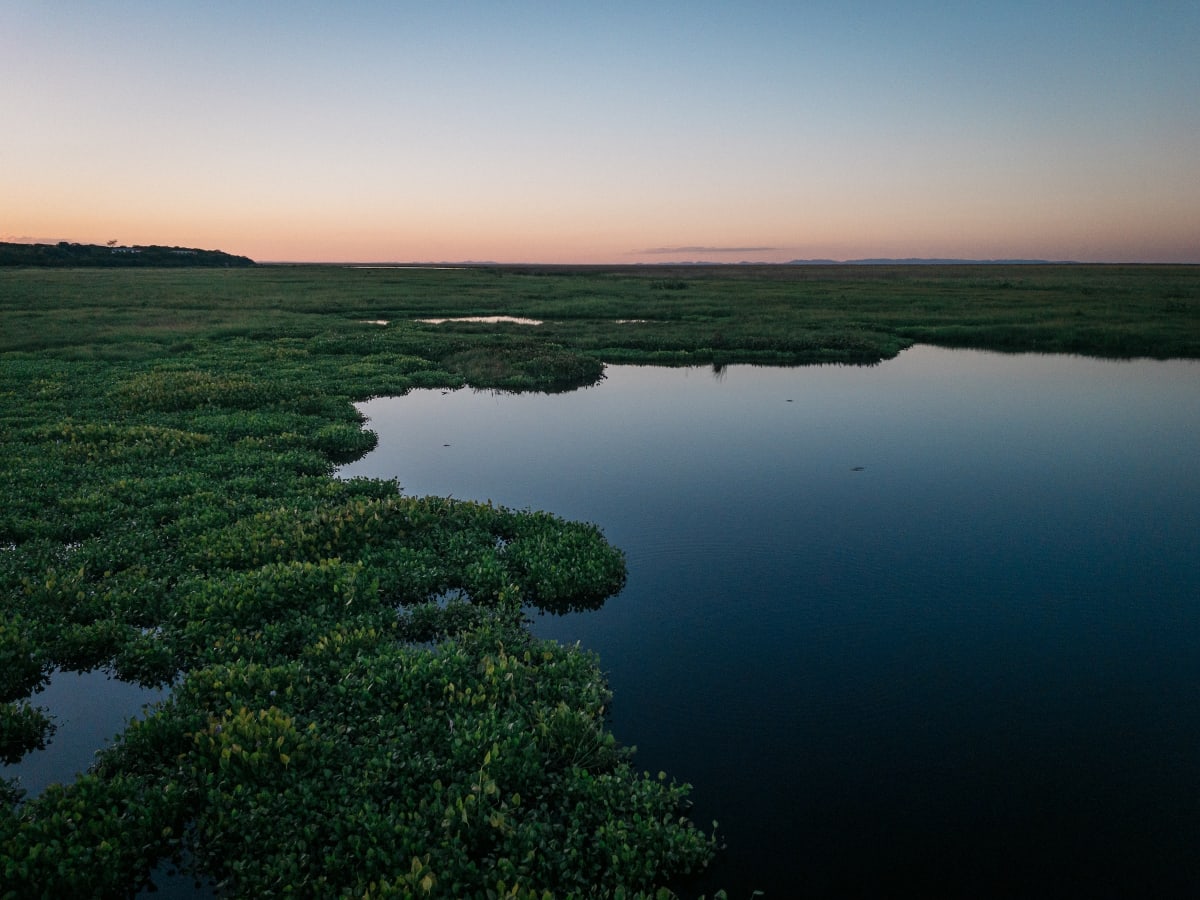
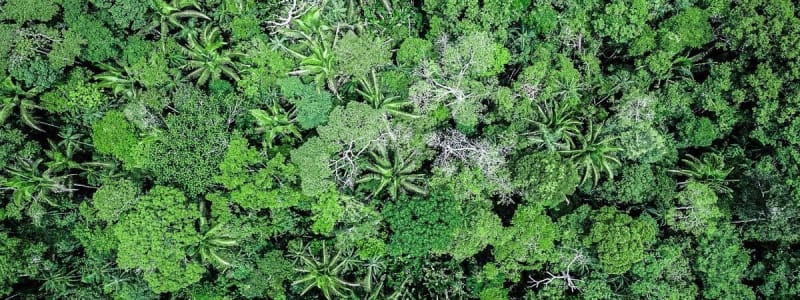
Local communities and Indigenous groups in Bolivia just protected nearly a million hectares of rainforest by working with their towns instead of waiting for national action. The four new protected areas create wildlife corridors while protecting water sources and forests that local families depend on for their livelihoods.
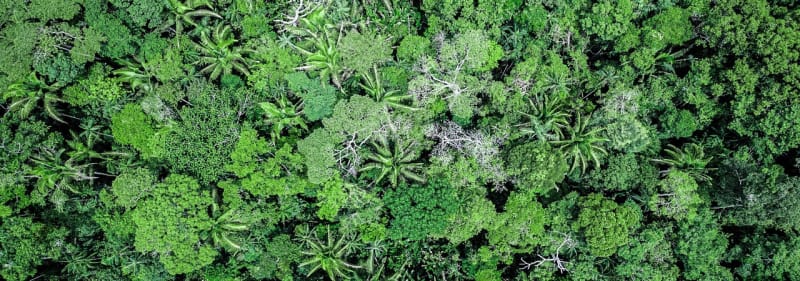
Bolivia just added 2.2 million acres of Amazon rainforest and Andean highlands to its protected lands, thanks to Indigenous communities and local governments who decided to take conservation into their own hands.
The four new protected areas cover 907,244 hectares spanning from lowland jungles to mountain peaks. They create vital corridors that connect larger national parks, giving wildlife room to roam while protecting the forests that local families need for income.
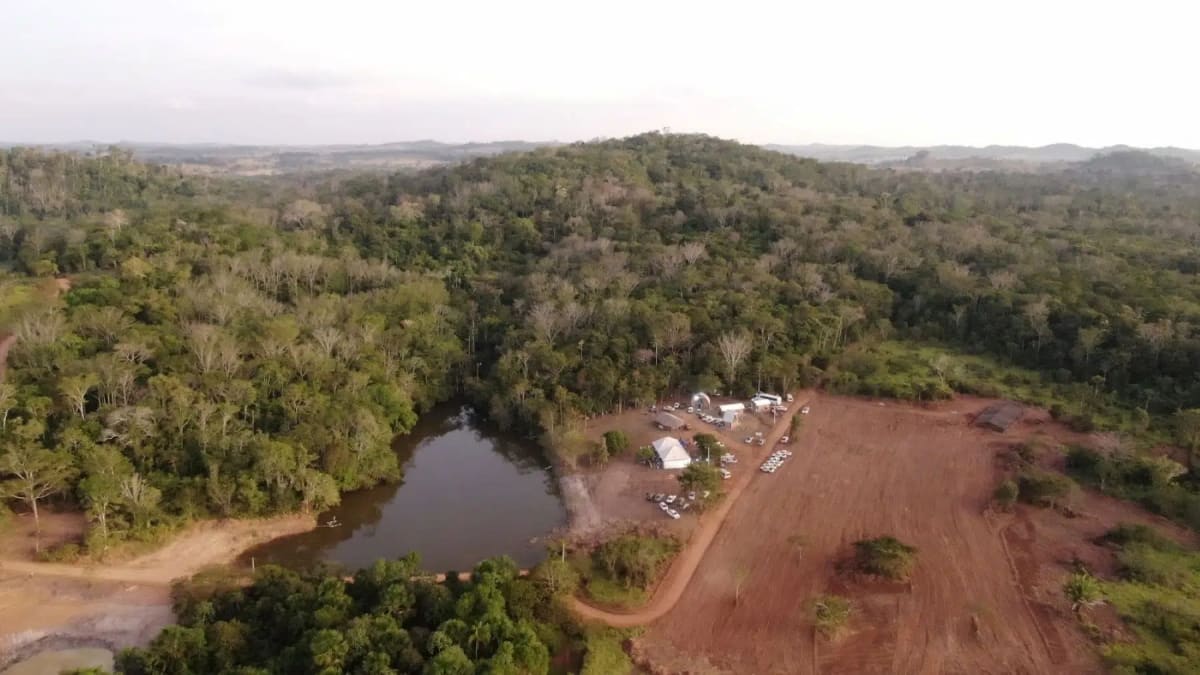
The push came from the ground up. In Santos Mercado, a municipality on the Brazilian border, residents watched mining and logging creep closer to their communities. Water became scarcer, and Brazil nut harvests dropped off, threatening the backbone of their economy.
So in October, they created the Guardián Amazónico Pacahuara area, protecting 544,103 hectares. That single move now safeguards 82% of the municipality's entire territory, including habitat for endangered Bolivian river dolphins and vulnerable harpy eagles.
"The concern to conserve the environment, to conserve our Amazon, our forest and more than anything: the beauty of our Brazil nut," said Ericka Cortez, president of the Santos Mercado Municipal Council. That's where the initiative was born.
In the Mosetén Indigenous Territory, 73 communities faced similar pressures from unplanned settlements cutting into lands where they grow cacao, coffee, and plantains. They worked with officials to establish the 88,006-hectare Serranías y Cuencas de Palos Blancos area in January, protecting the rivers and streams their agriculture depends on.
Two more areas followed, including the 191,310-hectare Los Palmares de Villa Nueva zone. Together, the four sites shield freshwater sources, endangered species, and forest-based livelihoods from encroachment.
The Ripple Effect
This local approach emerged because national protected area creation has slowed dramatically in Bolivia over the past two decades. In the last five years, only two national parks were created or upgraded, pushing conservation groups to partner with municipalities instead.
The strategy is working beyond expectations. "In many cases, the municipalities have now protected more than half their territories, a remarkable commitment that shows how local leadership can deliver durable conservation," said Eduardo Forno of Conservation International-Bolivia.
These protections also help Bolivia move toward the global 30x30 goal of safeguarding 30% of land and water by 2030. When communities lead the effort themselves, the protections tend to last longer than top-down mandates because residents understand what's at stake: their water, their harvests, their futures.
The collaboration between Indigenous communities, local governments, and conservation groups proves that environmental wins don't always need to wait for national action.
More Images



Based on reporting by Mongabay
This story was written by BrightWire based on verified news reports.
Spread the positivity!
Share this good news with someone who needs it