Borneo Pays Citizens $6 Per Orangutan Photo Sighting
A conservation app in Indonesian Borneo is paying everyday citizens to photograph wildlife, turning forest walks into paying jobs while collecting 175,000 wildlife records in just one year. Some observers now earn more than traditional full-time workers.
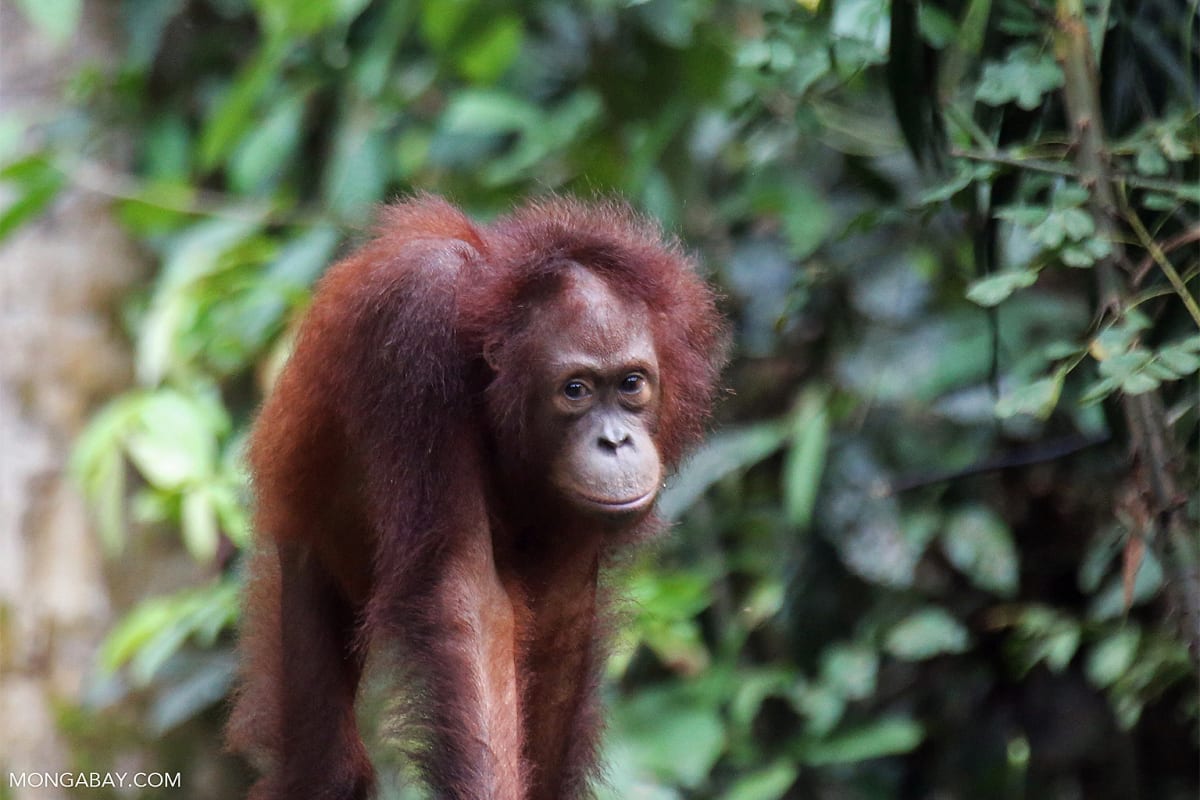
In the rainforests of Indonesian Borneo, spotting an orangutan just became a $6 opportunity, and it's changing how an entire region approaches conservation.
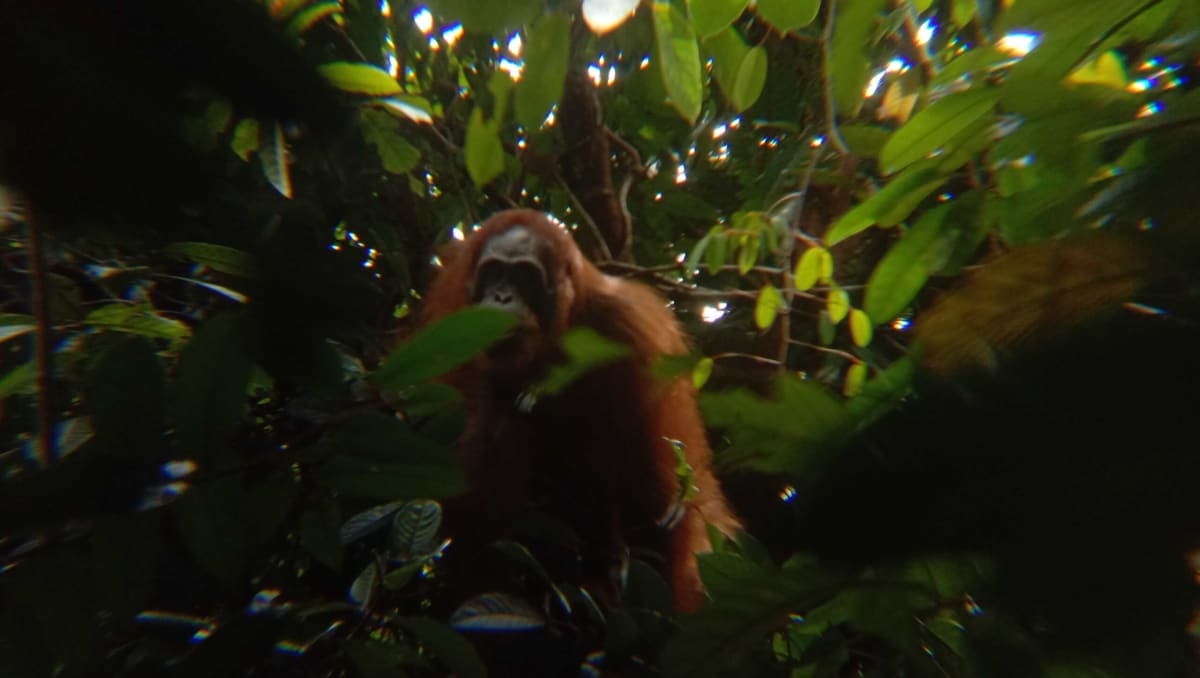
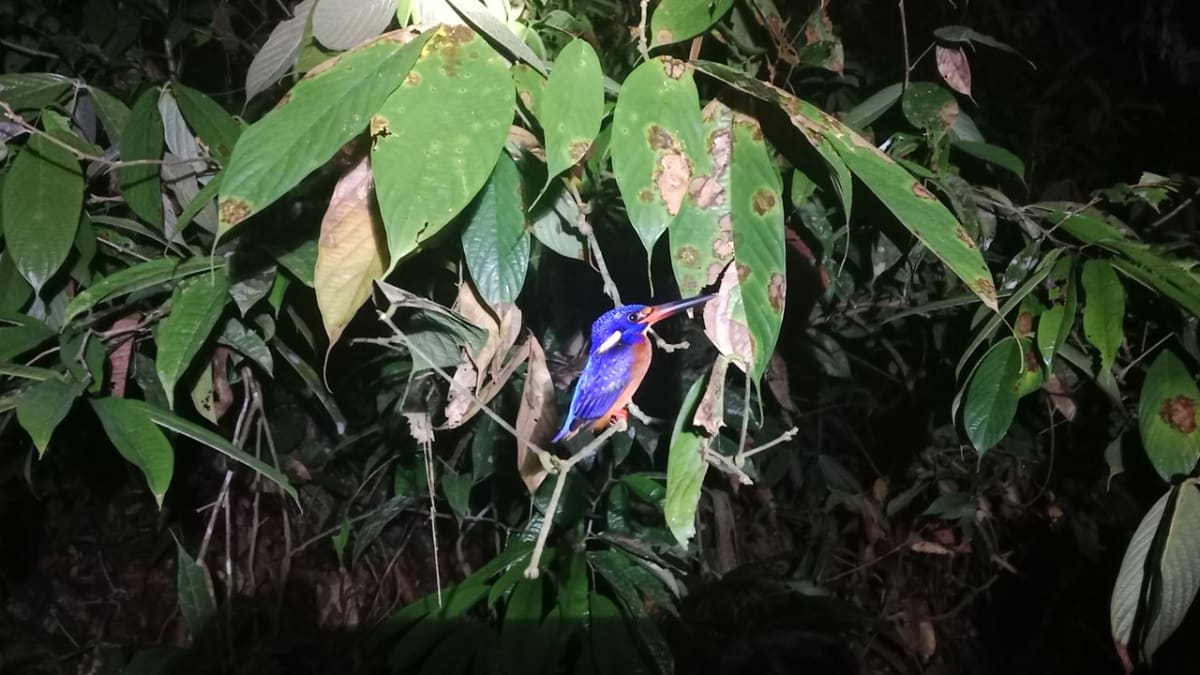
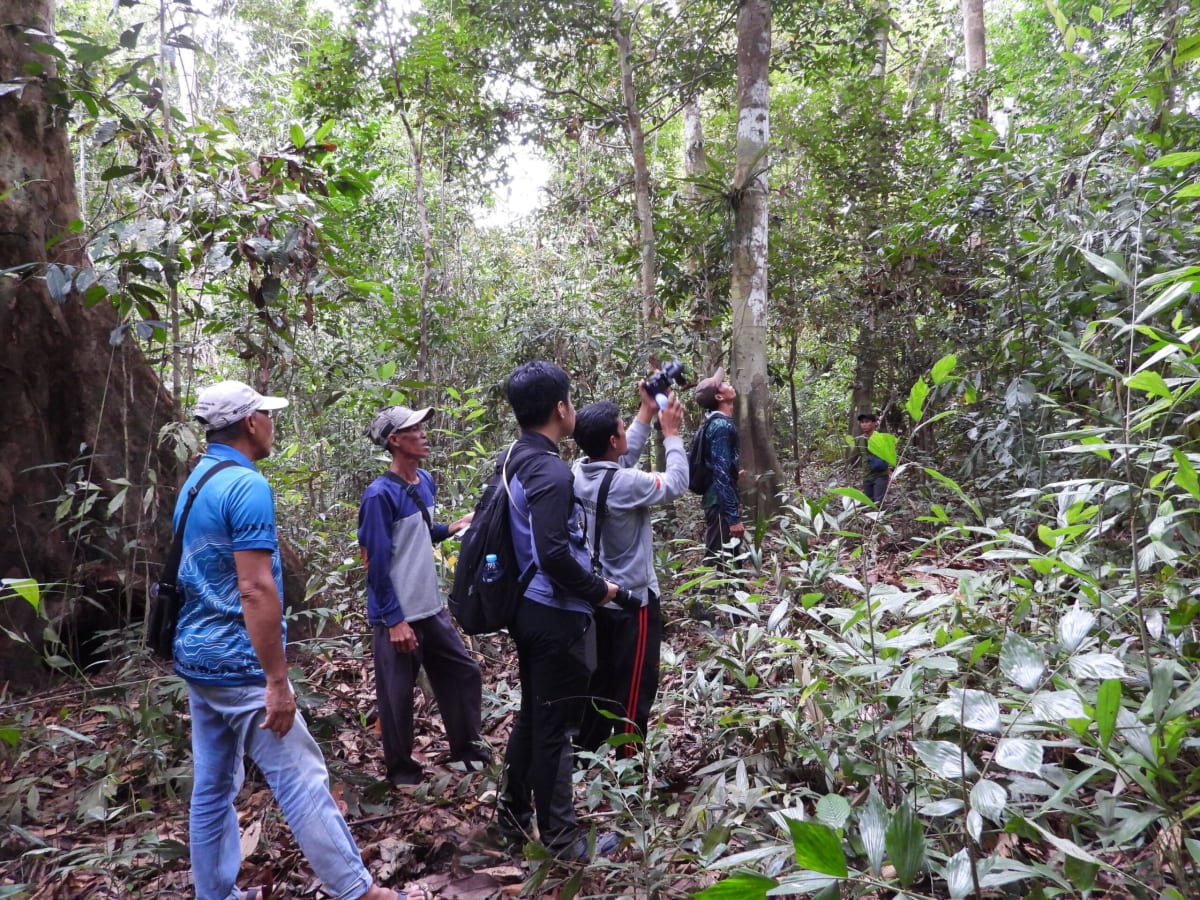
The KehatiKu app pays local residents to photograph wildlife during their daily forest walks. After just one year, over 800 citizen observers across nine villages have submitted 175,000 verified wildlife sightings, from common birds to endangered orangutans.
Biologist Erik Meijaard created the program after discovering a painful truth: nearly $1 billion spent on orangutan conservation between 2000 and 2019 failed to prevent the loss of 100,000 orangutans. He knew there had to be a better way.
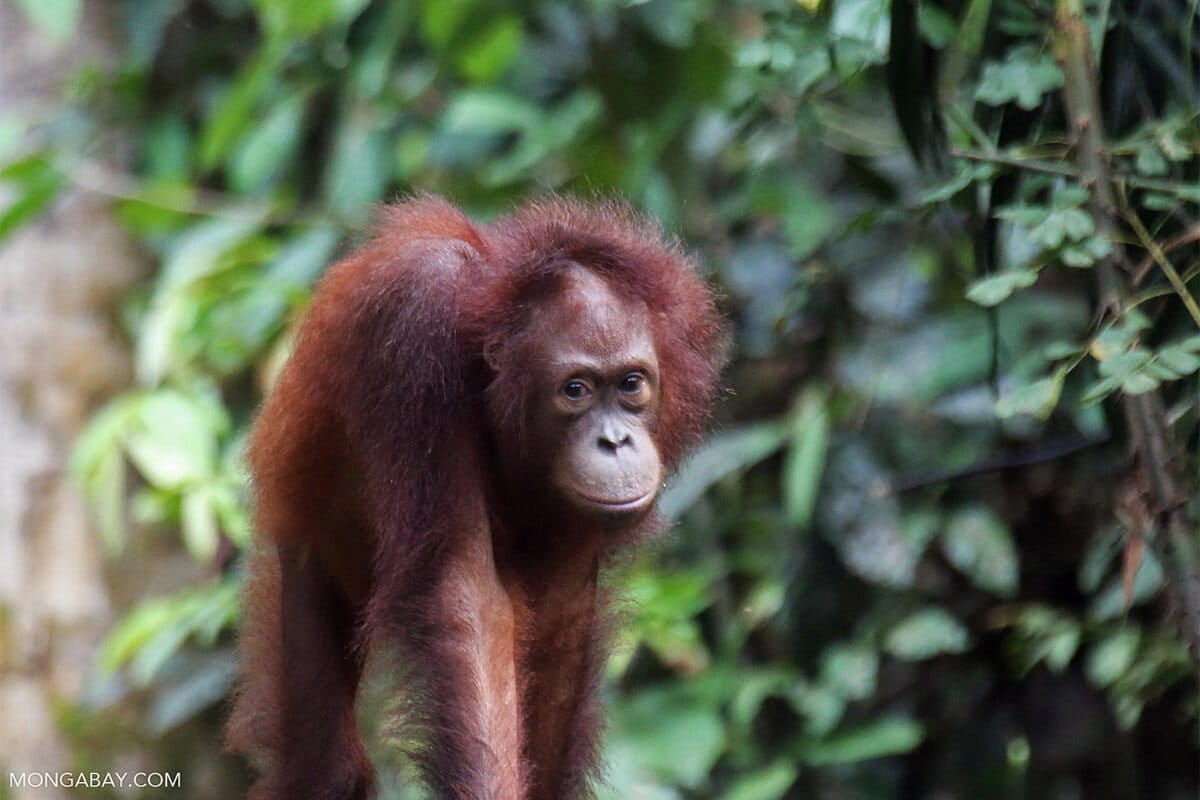
The solution turned out to be remarkably simple. Residents download a free app, photograph animals they encounter, and submit the images for verification. Payments range from 29 cents for common birds to $5.84 for orangutans, with the rule that each animal can only be claimed once per day.
The app covers 494,000 acres for less than $1 per acre annually. That's a fraction of traditional conservation costs, yet it's generating real-time data on endangered species like flat-headed cats, rhinoceros hornbills, and Bornean gibbons that scientists and the Indonesian government are already using for conservation planning.
For some villagers, it's become a full-time career. Top observers earn up to $292 monthly, surpassing the typical $117-$175 monthly wage in the region. Tomi from Nanga Embaloh village started out of curiosity and now makes it his primary income.
The Ripple Effect
The program sparked unexpected community action. Villages that once tolerated hunting and trapping have started self-policing, placing banners to warn visitors that wildlife harm is now prohibited.
Susilawati, another Nanga Embaloh resident, watched skeptical neighbors transform into enthusiastic participants once the first payments arrived. The money proved the program was real, but the pride in protecting their forests kept people engaged.
Every morning, 300 to 400 new wildlife observations flow into the system. Verification remains challenging, though Meijaard's team is exploring AI solutions to scale the project beyond Borneo's borders.
The data belongs to the communities that create it, giving residents ownership over their environmental knowledge. If villages approve, the information will be shared globally through organizations like the Global Biodiversity Information Facility.
A guy with a backpack now delivers nearly $6,000 in cash payments each month to observers across the region. What conservation traditionally accomplished through international grants and NGO overhead, KehatiKu achieves by putting money directly into the hands of people who live alongside the wildlife.
In Indonesian Borneo, protecting orangutans has become as practical as it is passionate.
More Images
Based on reporting by Mongabay
This story was written by BrightWire based on verified news reports.
Spread the positivity!
Share this good news with someone who needs it