Boston Researchers Find New Hope for Peanut Allergies
Scientists at Boston Children's Hospital discovered that "poop pills" containing healthy gut bacteria helped some people with severe peanut allergies build lasting tolerance. The breakthrough could offer permanent relief for 33 million Americans living with food allergies.
Imagine never having to scan every food label in fear or worry that a restaurant meal could send you to the emergency room. That future just got a little closer for people with severe peanut allergies.
Researchers at Boston Children's Hospital found that fecal transplants delivered through capsules helped some allergy sufferers develop lasting tolerance to peanuts. The small but promising study offers hope for a permanent treatment, not just temporary relief.
The science sounds unusual, but it's remarkably simple. Scientists took healthy gut bacteria from donors without allergies and gave them to 10 people with severe peanut allergies through capsules nicknamed "poop pills." Three of those people still showed high tolerance to peanuts months after taking just 36 pills over a few hours.
The team refined their approach by giving patients antibiotics first, clearing the way for the donor bacteria to thrive without competition. That second method worked even better when tested on five more people.
Dr. Rima Rachid, who directs the hospital's Food Allergy Program, says her patients are tired of living on constant alert. "People with food allergies want freedom from constant anxiety and extreme vigilance," she explained.
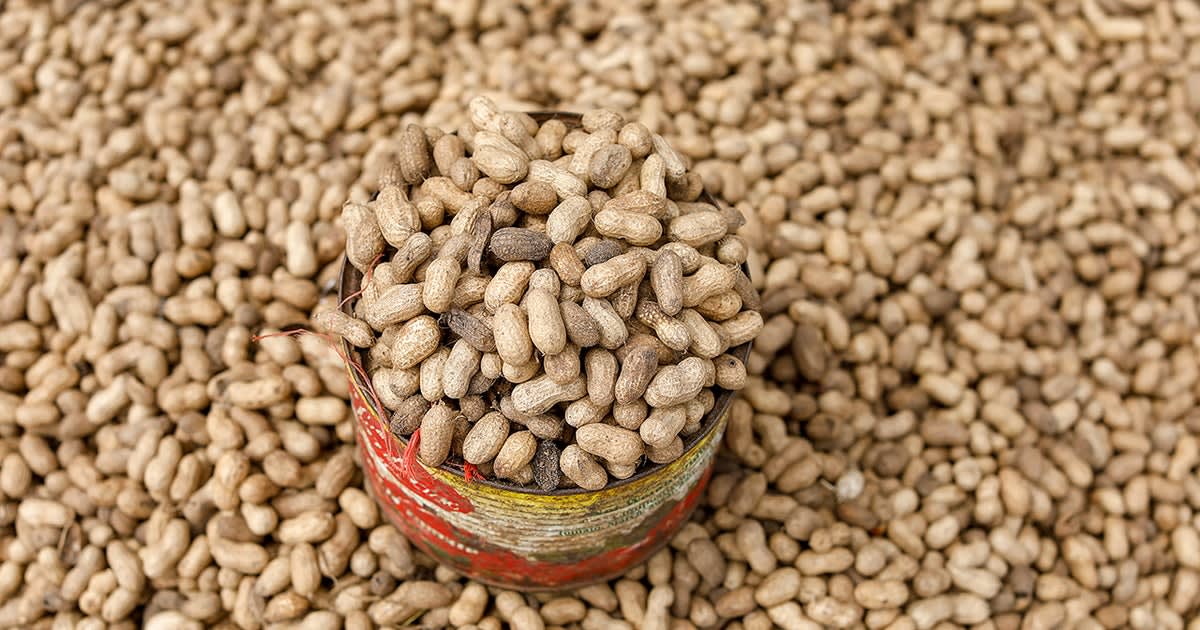
The Ripple Effect reaches far beyond peanuts. An estimated 33 million Americans live with severe food allergies, and peanut and tree nut allergies cause some of the most dangerous reactions. Current treatments like medication and immunotherapy help, but the protection disappears when treatment stops.
The research revealed something important about how the treatment works. The healthy bacteria metabolize bile salts differently, which increases immune regulatory cells that help the body tolerate allergens. Understanding this mechanism means scientists can now optimize the therapy for better results.
Dr. Rachid is already testing the next generation of treatment with teenagers. This version uses purified, concentrated microbes in refrigerated capsules. She's also studying whether combining the microbe therapy with traditional peanut immunotherapy produces even better outcomes.
The team's journey started with baby poop and allergic mice, then moved to human trials. Each step brought them closer to what patients really want: a cure, not just management.
For parents who pack separate lunches and carry EpiPens everywhere, for adults who skip restaurants and scan every ingredient list, this research represents something powerful. It's the possibility of normal life without fear.
More Images
Based on reporting by Google News - New Treatment
This story was written by BrightWire based on verified news reports.
Spread the positivity!
Share this good news with someone who needs it