US Obesity Rates Drop for First Time in a Decade
After climbing for more than 40 years, obesity rates in the United States are finally showing signs of decline. New data suggests 2023 marked the first drop in over 10 years, bringing hope to millions struggling with weight and related health conditions.
For the first time since the early 2010s, fewer American adults are living with obesity. Multiple studies tracking millions of people show rates declining in 2023, potentially ending a trend that's been climbing since the late 1970s.
Benjamin Rader, an epidemiologist at Boston Children's Hospital and Harvard Medical School, analyzed data from more than 16 million adults and found clear evidence of the shift. The National Health and Nutrition Examination Survey confirmed the pattern, showing a slight decline between 2021 and 2023.
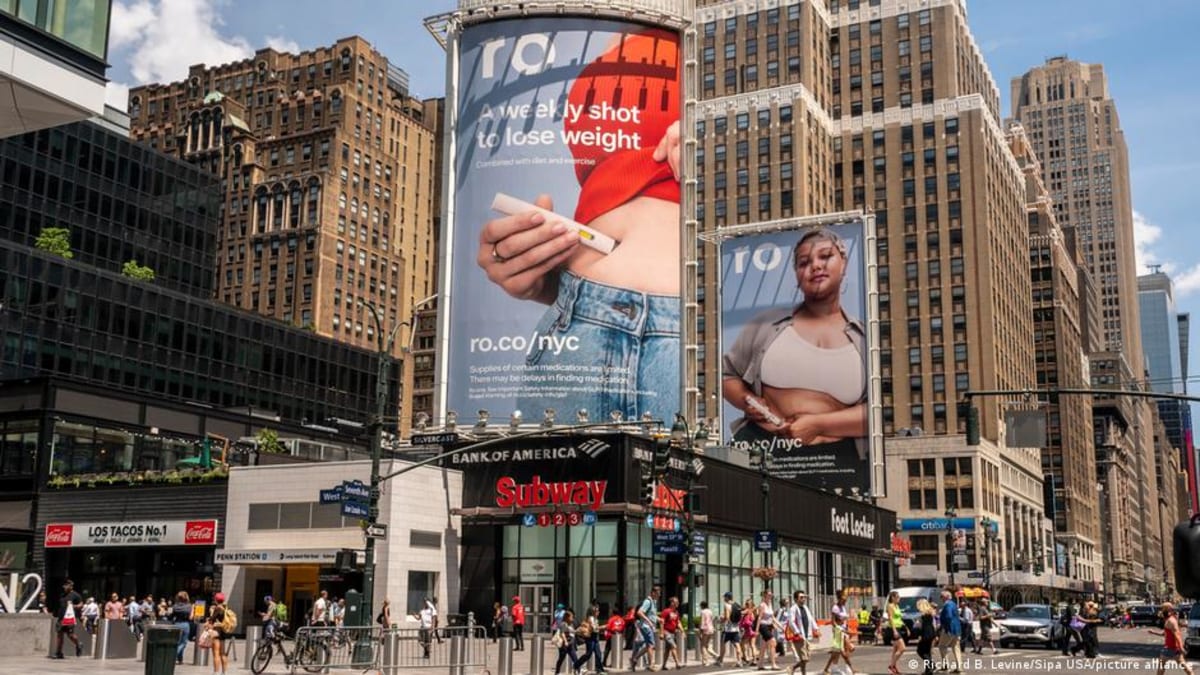
The timing coincides with a boom in new weight-loss medications. Prescriptions for drugs like Ozempic, Wegovy, and Zepbound have more than quadrupled between 2021 and early 2025. These medications, originally developed to treat Type 2 diabetes, help people feel full longer and have led to significant weight loss in many patients.
"There is strong evidence showing that there is a significant decline in obesity," says Peminda Cabandugama, an endocrinologist and spokesperson for The Obesity Society. He points to increased medication use and growing awareness about weight management as key factors.
Not everyone is convinced the trend will last. Some researchers predict rates could rise again through 2035, noting that many people stop taking the medications within a year and some regain weight after initially losing it. But Rader argues these predictions may not account for the rapid adoption of new treatments.
The Ripple Effect
If the decline continues, the benefits extend far beyond individual weight loss. People would face lower risks of Type 2 diabetes, heart disease, fatty liver disease, and sleep apnea. Healthcare systems could see reduced pressure as fewer people need treatment for obesity-related conditions.
The changes could mean greater mobility and independence for millions of Americans. Quality of life improvements often show up quickly, with better blood sugar control and cardiovascular health appearing first.
Still, experts agree it's too early to declare victory. Only a small percentage of people with obesity currently use these medications, and high costs keep them out of reach for many Americans. Lifestyle changes during and after the COVID-19 pandemic may also be influencing the numbers.
"A turning point does not mean that we've solved the problem," Rader reminds us. Obesity remains a major public health challenge requiring continued attention, funding, and accessible solutions for all Americans regardless of income.
What's clear is that change is possible, and for the first time in decades, the trend is moving in the right direction.
Based on reporting by DW News
This story was written by BrightWire based on verified news reports.
Spread the positivity!
Share this good news with someone who needs it