Brain Immune Cells Reprogrammed to Fight Alzheimer's
Scientists in Spain and Switzerland discovered a molecule that helps restore the brain's natural defenses against Alzheimer's disease. The compound improved memory and reduced toxic plaques in early studies, offering new hope for millions affected by the disease.
Imagine if the brain could be taught to fight Alzheimer's on its own. Scientists just moved one step closer to making that possibility real.
Researchers at Spain's Miguel Hernández University and Switzerland's EPFL have identified a molecule called OLE that reprograms microglia, the brain's immune cells, to attack Alzheimer's disease more effectively. The discovery could open new doors for treating a condition that affects over 55 million people worldwide.
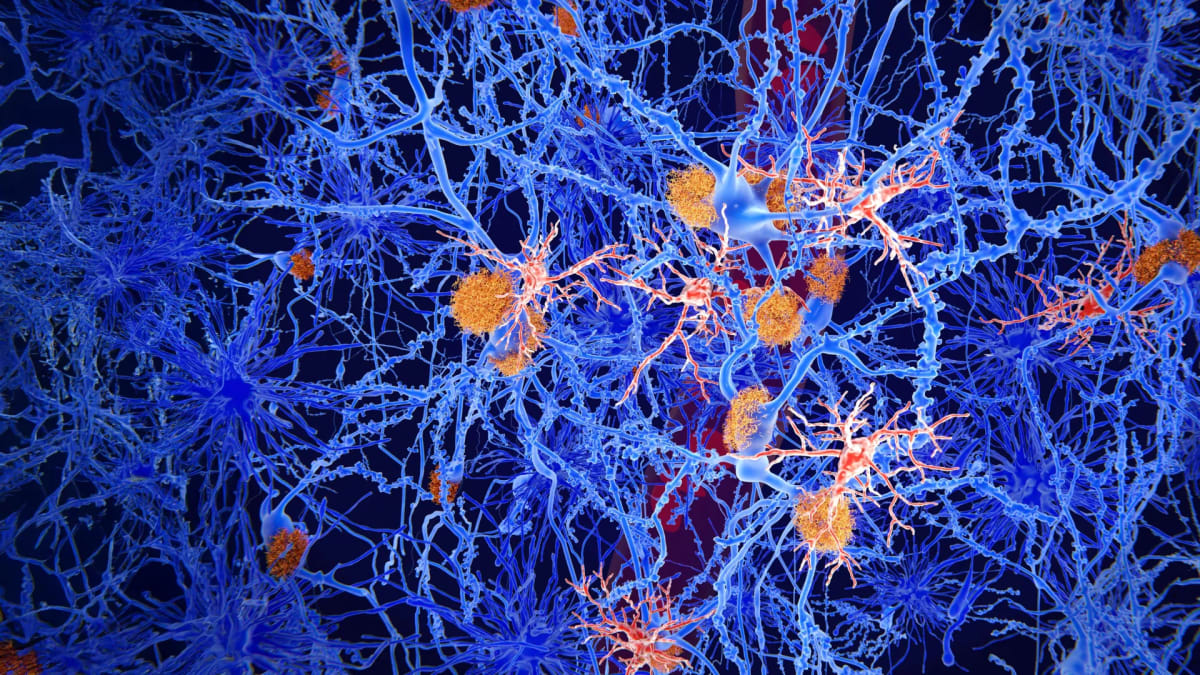
In healthy brains, microglia act like security guards, clearing out toxic buildup and protecting neurons. But in Alzheimer's patients, these cells gradually lose their protective powers and sometimes even contribute to brain damage.
The research team found that OLE, derived from the PM20D1 gene, can reverse this decline. The molecule helps microglia surround harmful beta-amyloid plaques and create protective barriers that shield nearby brain cells from damage.
José Vicente Sánchez Mut, who leads the Functional Epi-Genomics of Aging and Alzheimer's Disease laboratory, explained the significance. "We have identified a molecule capable of restoring microglia's protective function," he said. "Our results suggest that this process can be reversed."
The team tested OLE first in genetically modified worms that develop Alzheimer's-like symptoms quickly. Treated worms showed less protein buildup and moved more easily, indicating the compound was protecting their cells.
Then came the bigger test. Mice with Alzheimer's received OLE for three months. The results were encouraging: treated mice performed better on memory tests and had fewer toxic plaques than untreated animals.
To understand exactly how OLE works, researchers analyzed thousands of individual brain cells. Microglia responded most strongly to the treatment, activating pathways that helped them move toward plaques and clear them away.
Victoria Pozzi, the study's first author, noted what made the difference. "The compound helped these cells move toward beta-amyloid plaques and better contain the damage associated with the disease," she said.
The molecule also appeared to protect neurons directly. In lab cultures mimicking Alzheimer's conditions, brain cells treated with OLE had higher survival rates than untreated cells.
Why This Inspires
This research represents a fundamentally different approach to fighting Alzheimer's. Instead of just attacking plaques or managing symptoms, OLE works with the brain's existing immune system to restore its natural defenses.
The findings are already protected by two European patents, including one owned by Spain's National Research Council. This intellectual property protection will help the research move from laboratory to potential treatments more quickly.
The work received funding from organizations across Europe and Switzerland, showing strong international support for this promising avenue of research. Multiple institutions backing the project increases the likelihood that OLE could eventually reach clinical trials.
For families watching loved ones struggle with memory loss, this discovery offers something precious: scientifically grounded hope for future treatments that work differently than anything available today.
Based on reporting by Health Daily
This story was written by BrightWire based on verified news reports.
Spread the positivity!
Share this good news with someone who needs it