Brain's Cleanup Cells May Hold Key to Alzheimer's
Scientists discovered that damaged brain cells called tanycytes may explain why toxic tau protein builds up in Alzheimer's disease. The breakthrough could lead to new treatments that help the brain clear harmful proteins before they cause damage.
Scientists just identified a brain cleaning system that might explain one of Alzheimer's biggest mysteries: why toxic proteins pile up and damage our minds.
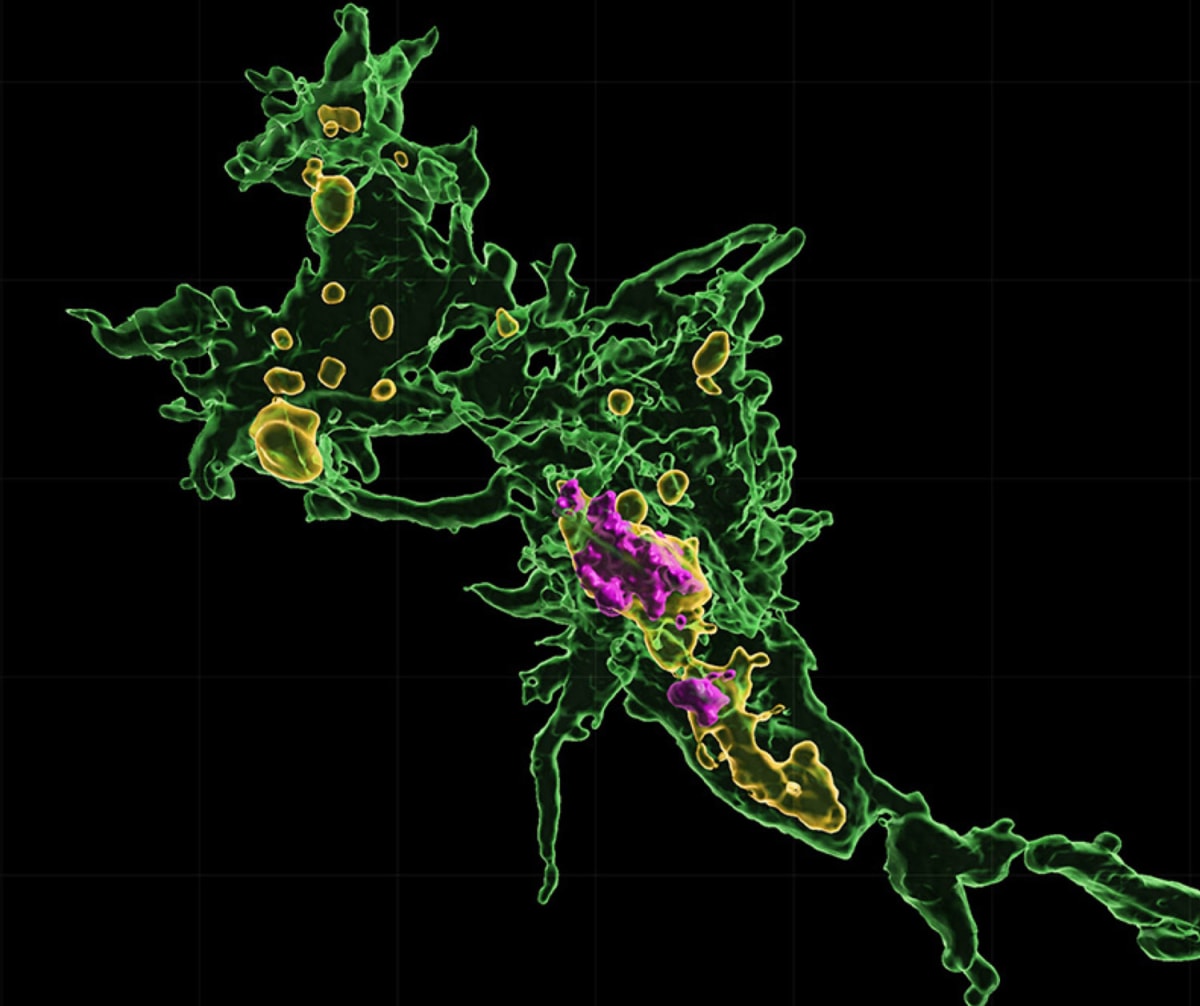
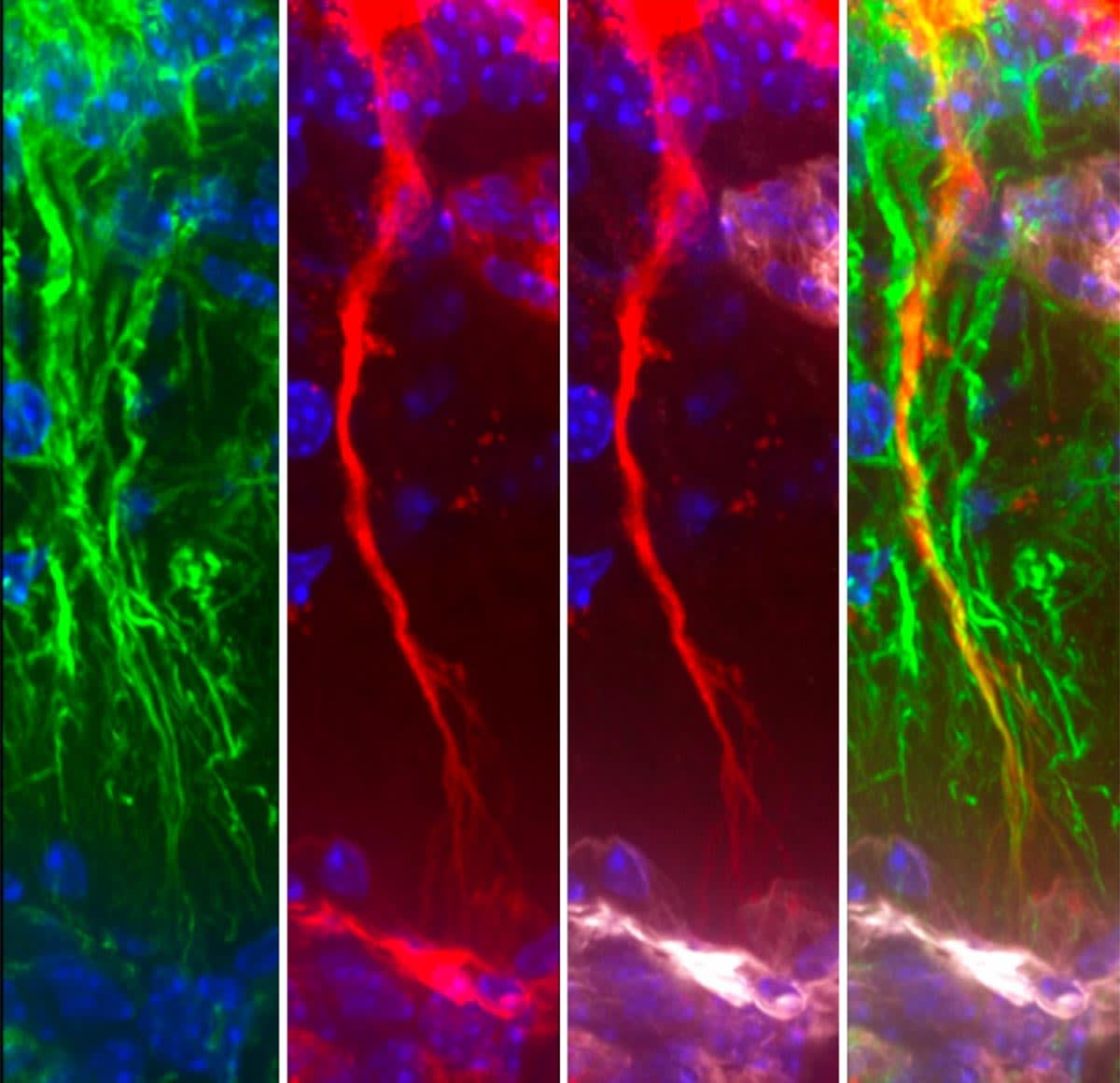
Researchers at INSERM in France discovered that specialized brain cells called tanycytes work like tiny trash collectors, moving harmful tau protein out of the brain and into the bloodstream where it can be safely removed. When these cells break down, tau accumulates and contributes to Alzheimer's disease.
The team examined tanycytes in the brains of Alzheimer's patients and found them fragmented with altered gene expression. These damaged cells couldn't transport tau effectively, allowing the toxic protein to build up in the brain instead of being cleared away.
"Our findings reveal a previously underappreciated, disease-relevant role for tanycytes in neurodegeneration," says lead researcher Vincent Prevot. The discovery came from studying animal models, cellular experiments, and human patient tissue.
Tanycytes live in the third ventricle, a small cavity deep in the brain. Previous research showed they help move metabolic signals between the bloodstream and cerebrospinal fluid, the protective liquid surrounding the brain and spinal cord. Now scientists understand these cells also act as critical gatekeepers for removing toxic substances.
The research team traced exactly how this cleaning process works. Tanycytes grab harmful molecules from the cerebrospinal fluid and shuttle them into the bloodstream. When this transport system malfunctions, dangerous proteins get trapped in the brain where they cause damage over time.
Why This Inspires
This discovery opens a completely new avenue for protecting brain health. Instead of just trying to break down tau protein after it accumulates, future treatments could help tanycytes work better to prevent buildup in the first place.
The research gives hope to millions of families touched by Alzheimer's. Understanding how the brain's natural cleaning system works means scientists can now explore ways to protect or restore these crucial cells before memory loss begins.
Prevot notes that developing treatments targeting tanycytes will take time and requires more research. Scientists need better animal models and larger patient studies to understand exactly how tanycyte damage leads to tau accumulation. But this first evidence of structural and functional changes in these "little-known but key brain cells" provides a promising new direction.
The study represents years of work supported by the European Research Council, National Institutes of Health, and multiple French research foundations. Their investment in understanding these overlooked brain cells could pay off in breakthrough treatments that help brains stay healthy longer.
More Images
Based on reporting by Google News - Scientists Discover
This story was written by BrightWire based on verified news reports.
Spread the positivity!
Share this good news with someone who needs it