A%253BBrand%255C%2522%253Bv%253D%255C%252224%255C%2522%2522%252C%25221%2522%253A%2522%253F0%2522%252C%25222%2522%253A%2522%255C%2522Linux%255C%2522%2522%252C%25223%2522%253A%2522%255C%2522x86%255C%2522%2522%252C%25224%2522%253A%2522%255C%252264%255C%2522%2522%252C%25227%2522%253A%2522%253F0%2522%252C%25228%2522%253A%2522%255C%2522Google%2520Chrome%255C%2522%253Bv%253D%255C%2522149.0.7827.53%255C%2522%252C%2520%255C%2522Chromium%255C%2522%253Bv%253D%255C%2522149.0.7827.53%255C%2522%252C%2520%255C%2522Not)A%253BBrand%255C%2522%253Bv%253D%255C%252224.0.0.0%255C%2522%2522%257D)
Scientists Reverse Anxiety by Fixing Tiny Brain Circuit
Spanish researchers identified a specific group of neurons in the brain's emotional center that can switch anxiety on and off. Even better, they successfully reversed anxiety and social withdrawal in mice by restoring balance to this circuit.
Scientists just discovered something remarkable: a tiny group of brain cells that acts like an anxiety switch, and they've learned how to flip it off.
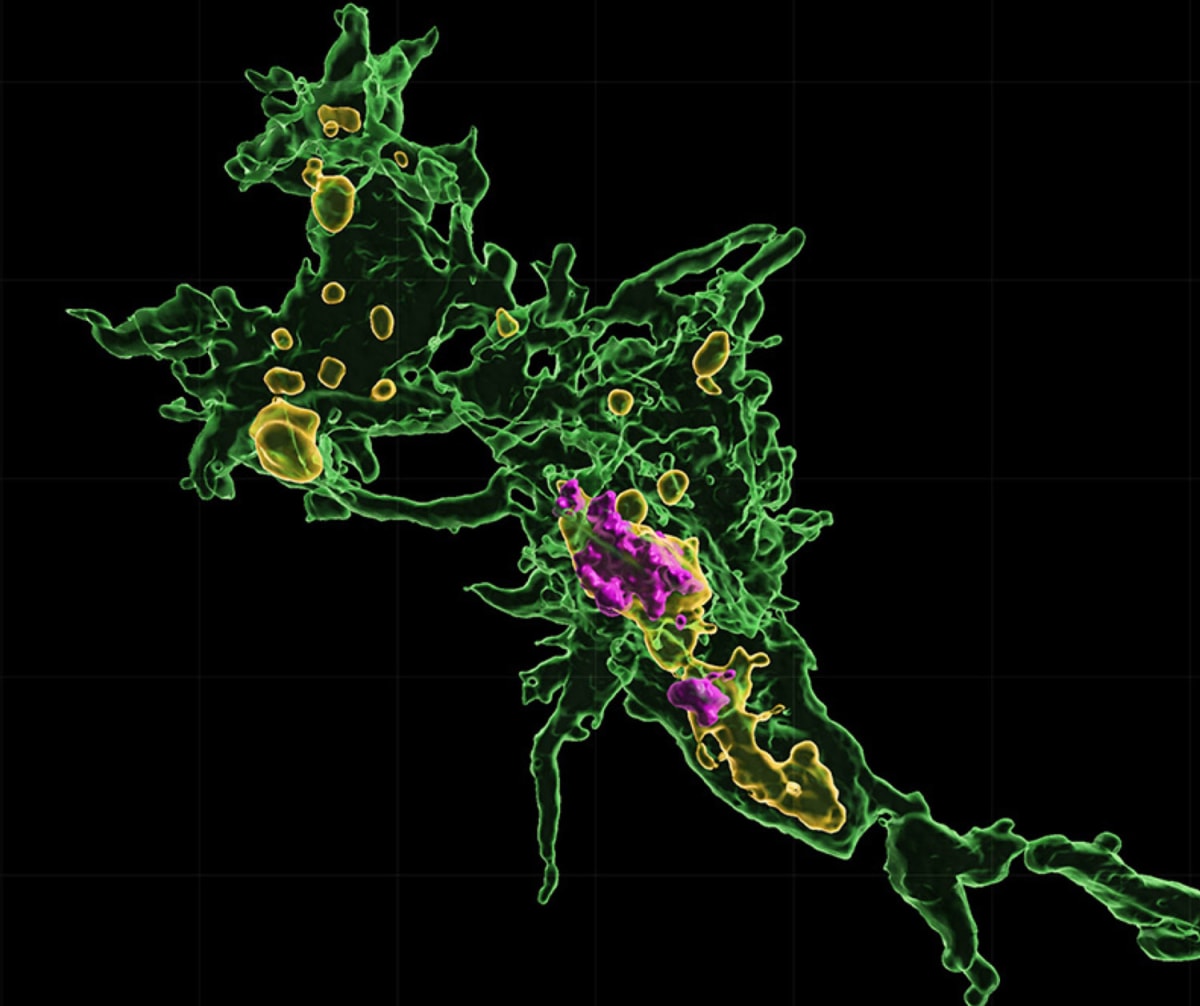
Researchers at Spain's Institute for Neurosciences pinpointed specific neurons in the amygdala, the brain's emotional command center, that play a starring role in anxiety and social withdrawal. When these cells became overactive, anxiety behaviors appeared. When the team restored their normal activity, those behaviors disappeared.
"We already knew the amygdala was involved in anxiety and fear, but now we've identified a specific population of neurons whose imbalanced activity alone is sufficient to trigger pathological behaviors," explains lead researcher Juan Lerma. His team published their breakthrough findings in the journal iScience.
The scientists studied mice with overactive neurons in the basolateral amygdala, a region that helps regulate fear and emotional responses. These mice showed behaviors similar to human anxiety disorders, including avoiding social interaction and steering clear of open spaces.
Using genetic engineering techniques, the researchers normalized activity in just this one small circuit. They restored communication between the excitable neurons and inhibitory cells called regular firing neurons in another part of the amygdala. The results were dramatic: anxiety behaviors reversed, and social interactions improved.
What makes this discovery even more exciting is its broader application. The team tested their approach on regular mice that naturally showed high anxiety levels, and it worked on them too. This suggests the mechanism isn't limited to one genetic quirk but represents how emotional regulation works more generally in the brain.
Why This Inspires
This research offers hope for millions struggling with anxiety disorders. Current treatments often affect the entire brain, causing unwanted side effects. This discovery points toward precise, targeted therapies that could address anxiety at its source without disrupting other brain functions.
The approach isn't perfect yet. Some symptoms, like memory problems, didn't improve, suggesting other brain regions play a role. But the success with anxiety and social behaviors marks real progress toward understanding how our brains create and control these challenging emotional states.
Scientists can now see a clear path forward: targeting specific neural circuits rather than flooding the whole brain with medication. It's like fixing a faulty wire instead of replacing the entire electrical system.
For the 40 million American adults living with anxiety disorders, this small circuit in the brain could open big doors to better treatments ahead.
More Images
A%253BBrand%255C%2522%253Bv%253D%255C%252224%255C%2522%2522%252C%25221%2522%253A%2522%253F0%2522%252C%25222%2522%253A%2522%255C%2522Linux%255C%2522%2522%252C%25223%2522%253A%2522%255C%2522x86%255C%2522%2522%252C%25224%2522%253A%2522%255C%252264%255C%2522%2522%252C%25227%2522%253A%2522%253F0%2522%252C%25228%2522%253A%2522%255C%2522Google%2520Chrome%255C%2522%253Bv%253D%255C%2522149.0.7827.53%255C%2522%252C%2520%255C%2522Chromium%255C%2522%253Bv%253D%255C%2522149.0.7827.53%255C%2522%252C%2520%255C%2522Not)A%253BBrand%255C%2522%253Bv%253D%255C%252224.0.0.0%255C%2522%2522%257D)
Based on reporting by Health Daily
This story was written by BrightWire based on verified news reports.
Spread the positivity!
Share this good news with someone who needs it