Brazilian Beef Cuts Methane 50% in Groundbreaking Trial
A Brazilian beef project just proved cattle can produce half the methane while eating better, creating the first-ever credits that help meat companies clean up their own supply chains. This isn't about buying offsets from random forests anymore; it's about making real farms work better.
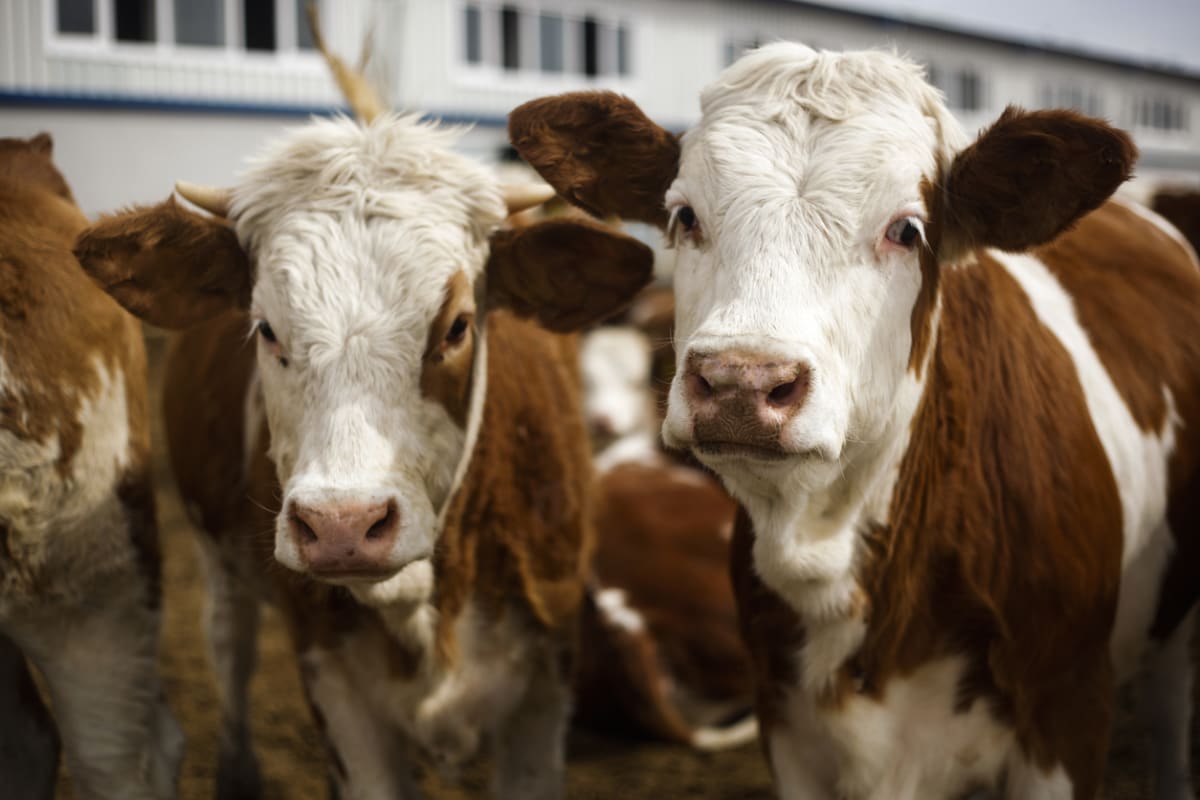
Cows in Brazil just burped 50% less methane while actually gaining weight faster, and the breakthrough could change how the entire beef industry tackles climate change.
Minerva Foods, South America's biggest beef exporter, just completed a 120-day pilot using a feed supplement from Australian company Rumin8. The cattle ate better, produced half the greenhouse gases, and converted their feed 5% more efficiently than cows on regular diets.
Here's what makes this different. Instead of buying carbon credits from solar farms or tree planting projects halfway around the world, Minerva generated "inset" credits from improvements right inside their own beef supply chain.
Indiana-based platform Athian facilitated the entire process, from tracking data to verifying reductions to registering the credits. The company has already worked with about 10% of dairy cows in the United States and is now proving the model works internationally.
The science is solid. Rumin8's supplement contains a stabilized form of bromoform that gets added directly to cattle feed. The company can now produce 3.5 million doses daily and expects regulatory approval in Brazil next year, followed by New Zealand, Australia, the US, and Europe.
The Ripple Effect
This pilot proves something food companies have been desperately seeking: measurable, verifiable climate progress that doesn't rely on questionable offset projects. Major brands are still committed to cutting emissions despite recent backsliding on some environmental goals, but they want results they can defend.
The benefits extend beyond just lower methane numbers. Farmers see better feed conversion rates, meaning cattle gain more weight from the same amount of food. Supply chains become more resilient. Water quality improves through better manure management.
Athian cofounder Kendra Tolley says the key is making verification credible for companies but dead simple for farmers to participate. The platform has eight different protocols for US dairy operations and multiple contracts with large food companies relying on them to hit climate targets.
New "co-claiming" models are spreading costs across multiple companies in the same supply chain. Retailers, brands, and processors can now share the investment and rewards instead of one company footing the entire bill alone.
The technology still faces hurdles as regulatory processes differ wildly between countries. But Rumin8 is developing multiple delivery methods including slow-release boluses and even a fungi-based platform that could produce bromoform much cheaper than current synthetic chemistry approaches.
Minerva's global sustainability director Marta Giannichi put it simply: environmental progress in beef has to be measurable and verifiable, and this pilot proves both are possible at the farm level.
The beef industry just showed it can clean itself up from the inside out.
More Images

Based on reporting by Google News - Emissions Reduction
This story was written by BrightWire based on verified news reports.
Spread the positivity!
Share this good news with someone who needs it