Brazilian Solar Self-Generation Cuts Costs 33% vs PPAs
Major Brazilian industries can slash energy costs by nearly a third by building their own solar plants instead of signing traditional power contracts. New research shows direct investment in solar delivers massive savings while powering the country's clean energy future.
Large factories across Brazil are discovering a powerful way to cut energy bills while going green at the same time.
Researchers from two Brazilian federal universities just proved that big industrial operations can save up to 32.9% on electricity costs by building and running their own solar power plants. That beats signing long-term power purchase agreements (PPAs) with traditional energy suppliers.
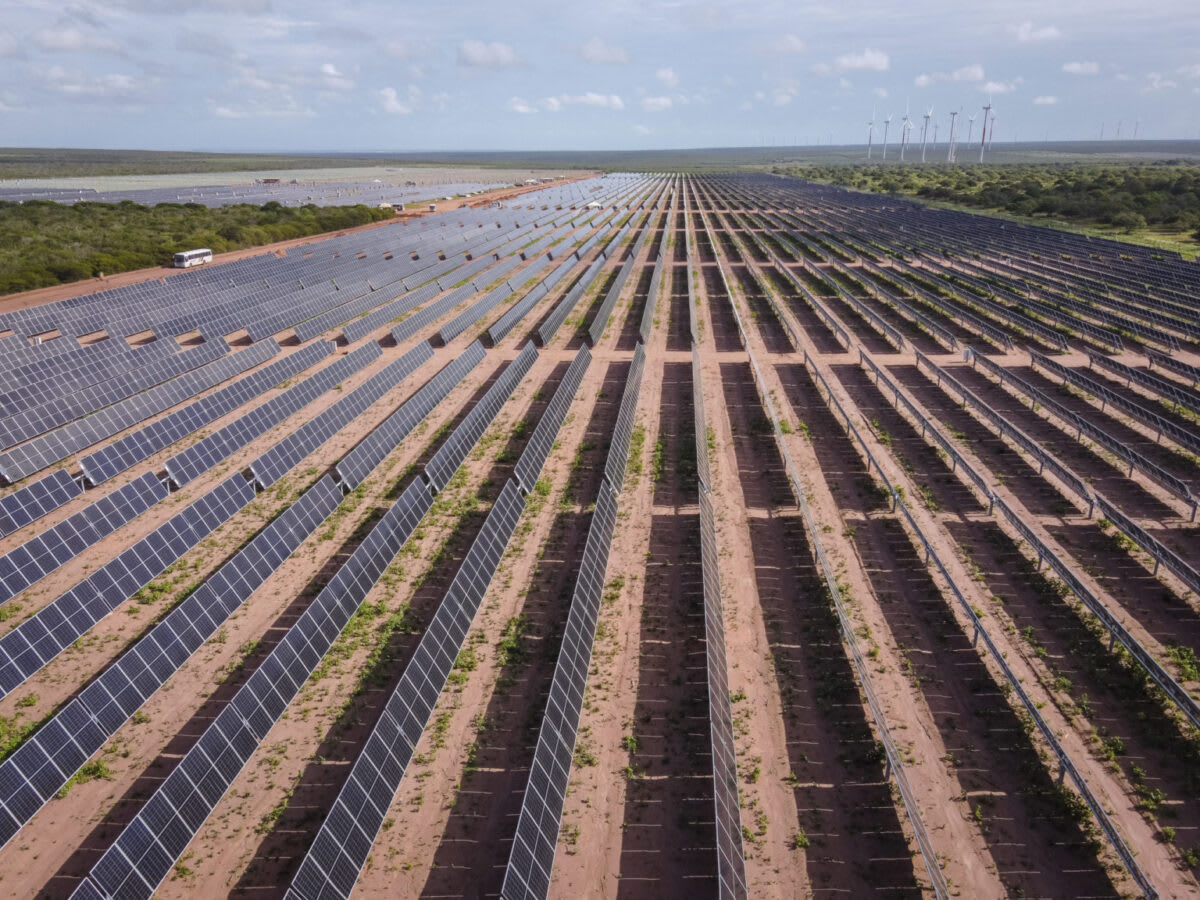
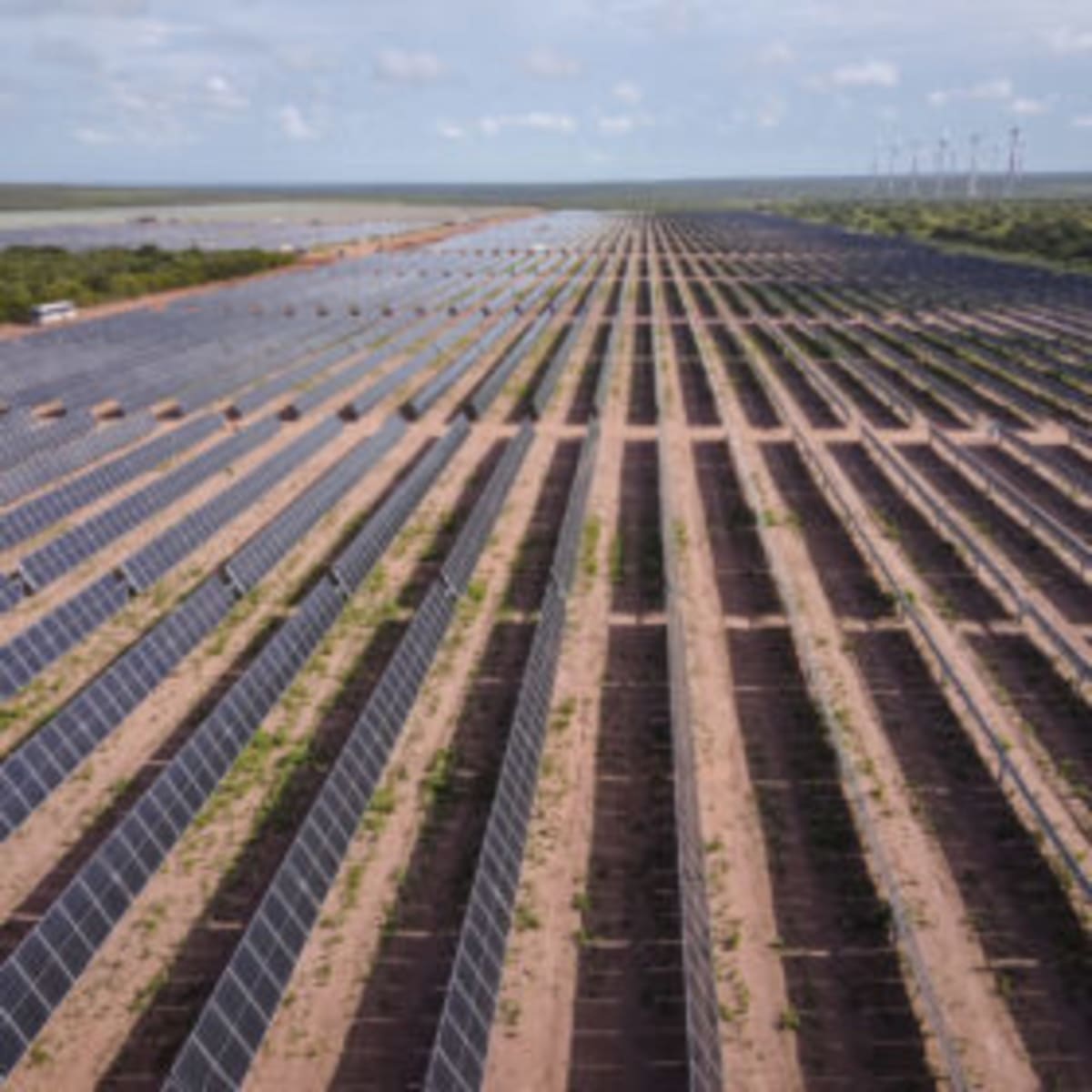
The study focused on massive operations in Northeast Brazil that consume roughly 29 million kilowatt-hours monthly. These facilities run 24/7, making energy costs a huge part of their bottom line.
Scientists used advanced modeling to compare two paths. The first involved conventional PPAs where companies buy power from outside suppliers. The second examined direct investment, where businesses finance, build, and operate their own solar facilities.
The numbers tell a compelling story. Companies choosing solar self-generation can expect returns between 11.8% and 18.1%, with the most likely scenario hitting 15.1%. The investment pays for itself in about 10 years, then delivers decades of savings.
Brazil's regulatory environment sweetens the deal. Self-generators enjoy exemptions from several sector charges, including the Energy Development Account and the Incentive Program for Alternative Electricity Sources. These breaks amplify the financial advantages significantly.
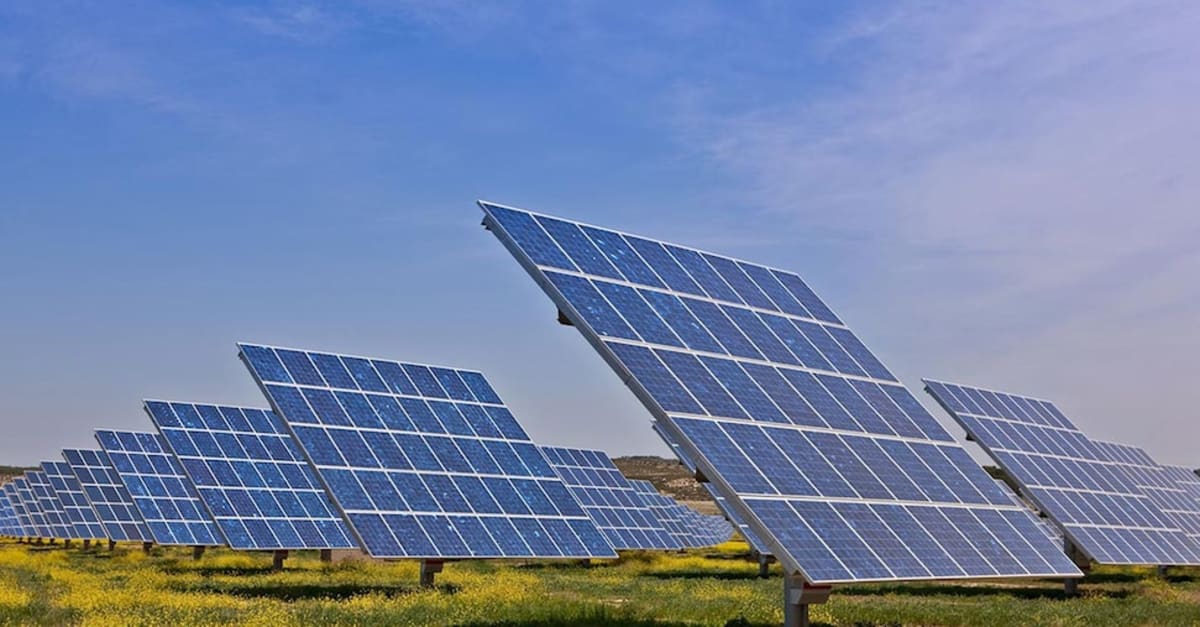
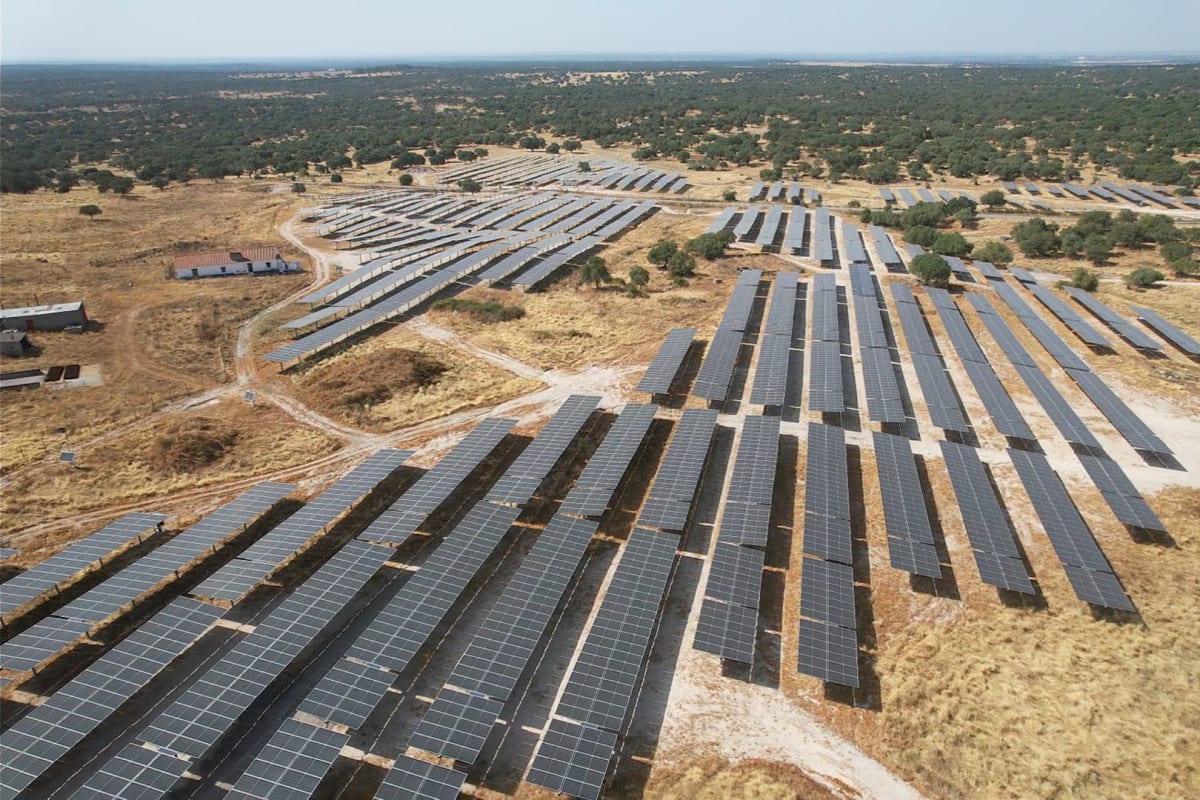
The research team from the Federal University of Ceará and Federal University of São João del-Rei designed solar plants to supply 100% of each facility's energy demand. They factored in Northeast Brazil's excellent solar resource of 5.94 kilowatt-hours per square meter daily.
The Ripple Effect
This breakthrough extends far beyond individual company balance sheets. When major industries invest in their own clean energy infrastructure, they reduce strain on Brazil's electrical grid while accelerating the country's renewable energy transition.
Every new industrial solar installation creates local construction jobs and ongoing maintenance positions. As more companies follow this path, Brazil builds expertise in solar technology that can spread to smaller businesses and residential applications.
The findings also demonstrate how smart policy design makes sustainability profitable. Brazil's regulatory exemptions for self-generators prove that government incentives can tip the economic scales toward cleaner energy without requiring mandates or penalties.
Of course, this approach carries some trade-offs. Companies face higher upfront capital requirements and more exposure to variables like weather patterns and equipment costs. They must also manage energy surpluses or shortfalls in the short-term market, adding complexity to operations.
The research appears in Electric Power Systems Research, offering a roadmap for industrial operations throughout Brazil and similar markets worldwide. As solar technology costs continue dropping and climate concerns intensify, the economic case for self-generation grows stronger.
Brazil's industrial sector just got a proven path toward lower costs and a cleaner future.
More Images
Based on reporting by PV Magazine
This story was written by BrightWire based on verified news reports.
Spread the positivity!
Share this good news with someone who needs it