Britain Risks Losing Nobel-Winning Science Legacy
The country that helped discover the Higgs boson now faces cuts threatening the blue-sky research that made such breakthroughs possible. Scientists warn the damage could take generations to reverse.
Britain helped find the particle that explains why matter exists, but budget cuts now threaten to dismantle the scientific culture that made such discoveries possible.
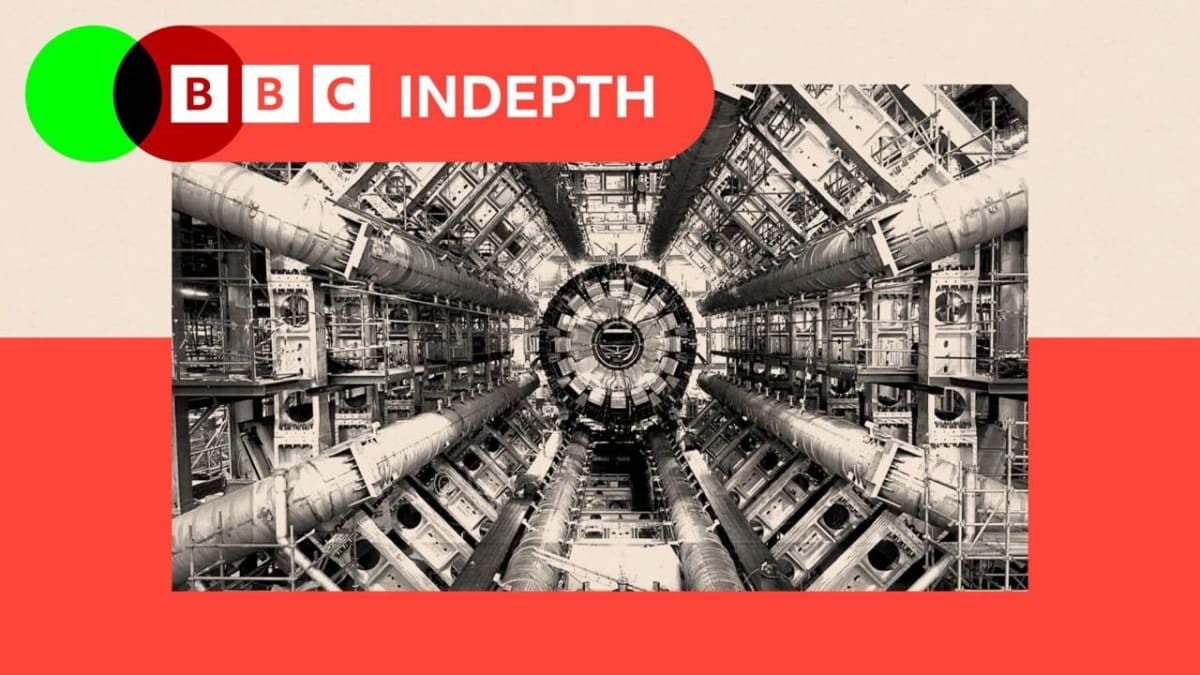
When Peter Higgs won the Nobel Prize in Physics in 2013, it crowned nearly 50 years of patient, curiosity-driven research. The British physicist had predicted the Higgs boson back in the 1960s with no commercial goal in sight, just a fundamental question about why matter has mass at all.
CERN confirmed his theory in 2012 by actually finding the particle, marking one of the biggest scientific discoveries in a generation. Higgs responded with quiet hope that the recognition would "help raise awareness of the value of blue-sky research."
Today that hope feels urgent. British physics researchers are calling current funding cuts "catastrophic," warning they could permanently damage the country's scientific strength.
Blue-sky research asks fundamental questions about the universe without chasing immediate commercial applications. Britain has historically excelled at this kind of work, producing discoveries that seemed impractical at first but eventually transformed entire industries.
The electron, the DNA double helix, the first computer. None had obvious uses when British scientists first achieved them, yet each became the foundation of billion-pound industries that reshaped daily life in ways their discoverers never imagined.
The problem is simple but uncomfortable. You cannot schedule a breakthrough or demand discovery by fiscal year's end. The electron, DNA, computers, the Higgs boson all emerged from sustained investment in researchers free to follow questions wherever they led.
When funding flows only toward work promising quick returns, the pipeline of future discoveries quietly dries up. The damage may not show for years, but by then it becomes nearly impossible to reverse.
The Ripple Effect
Britain's scientific reputation is not just national pride. It is an economic asset generating enormous wealth and employment through industries built on blue-sky discoveries.
The Higgs timeline itself shows why this research demands long-term thinking. A theory proposed in the 1960s, confirmed in 2012, celebrated in 2013. Patient commitment, not short-term pressure, made it possible.
Scientists argue that if Britain allows its fundamental physics research to erode now, the country may find itself watching future Nobel announcements from the sidelines. The industries of tomorrow depend on questions being asked today, even when the answers seem far away.
Protecting the freedom to pursue those questions now could determine whether Britain remains at the forefront of discovery or becomes a cautionary tale about what happens when you lose what made you great.
More Images


Based on reporting by Google: scientific discovery
This story was written by BrightWire based on verified news reports.
Spread the positivity!
Share this good news with someone who needs it